
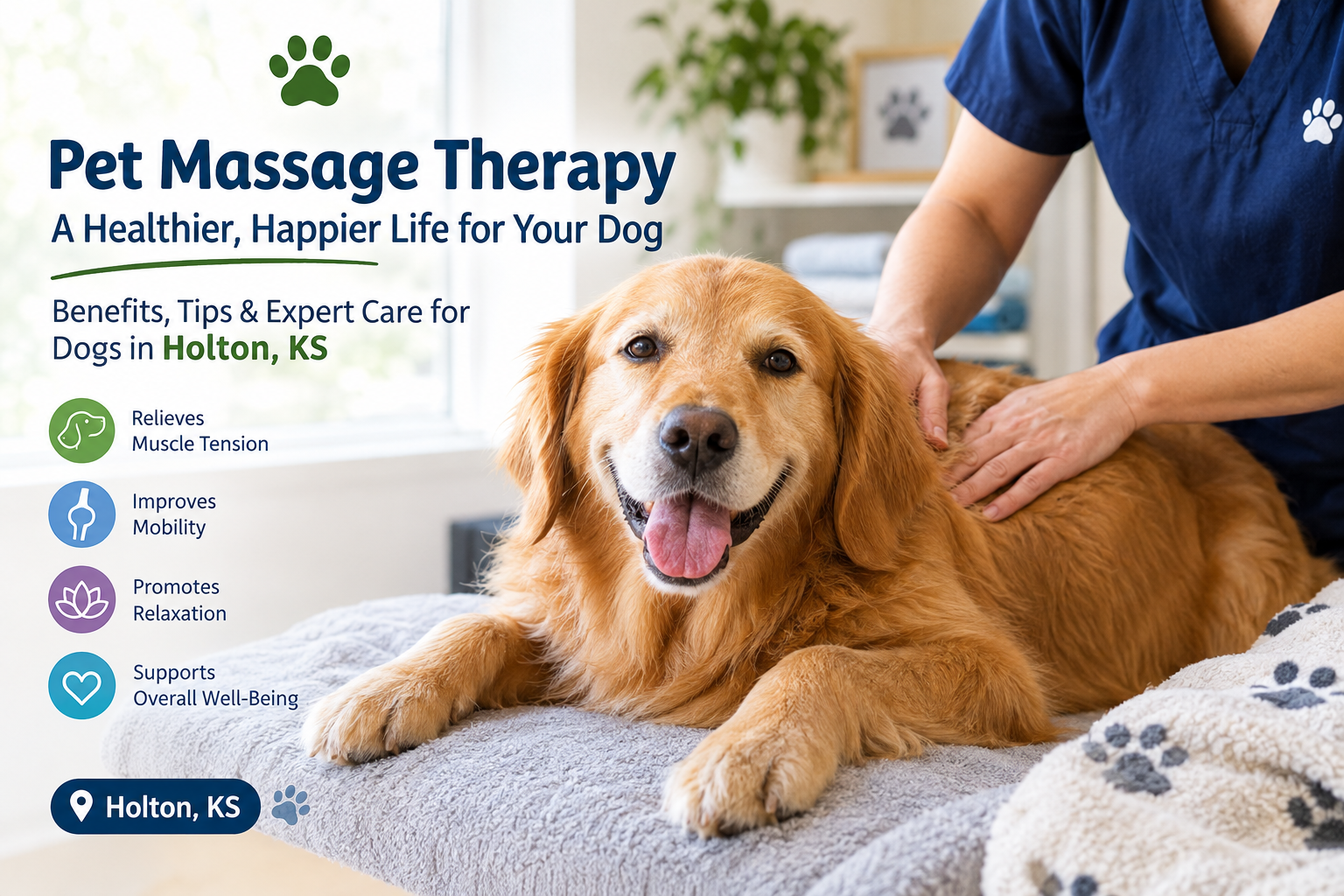
Considering a massage session for your dog but unsure how to prepare? Perhaps your pet enjoys being petted at home, but you do not know how they will respond to a structured massage session. You may also wonder whether your dog needs special preparation, what happens during the appointment, or how to recognize whether the experience is comfortable.
These are important questions because every dog responds differently to physical contact. Some dogs naturally enjoy gentle handling, while others need time to become familiar with new people, environments, and experiences.
Pet massage therapy can be a complementary wellness option for suitable dogs. However, a positive experience depends on choosing an appropriate provider, understanding your dog’s needs, and allowing your pet to participate without pressure.
For owners considering dog massage in Holton, KS, the following guide explains how to prepare for a first session and what to consider before introducing this type of hands-on care.
What Should You Know Before Booking a Dog Massage?
Before scheduling a session, understand what pet massage involves and what it is intended to provide.
Canine massage uses controlled hand movements and gentle techniques applied to appropriate soft tissues. Depending on the dog’s needs and suitability, a session may focus on relaxation and general muscle comfort.
It is important to understand that massage is not a replacement for veterinary diagnosis, medical treatment, or rehabilitation. It should not be expected to cure injuries, joint conditions, anxiety disorders, or other health problems.
A responsible provider should explain the purpose and limitations of the service before beginning.
1. Consider Your Dog’s Health and Physical Condition
Your dog’s health should be the first consideration when arranging a massage session.
Think about whether your pet has recently experienced an injury, developed stiffness, undergone surgery, or shown unusual changes in movement. Share relevant health information with the provider before the appointment.
Massage may not be appropriate for dogs with certain medical conditions, including:
- Recent injuries or suspected fractures
- Unexplained swelling or inflammation
- Open wounds or skin infections
- Areas of unexplained pain
- Recent surgical procedures without veterinary clearance
- Conditions that make physical handling unsafe
If your dog has a diagnosed medical condition, ask your veterinarian whether massage is suitable.
A dog that suddenly becomes reluctant to move, cries when touched, or develops unusual sensitivity should receive a veterinary assessment rather than being booked directly for massage.
2. Help Your Dog Become Comfortable With Gentle Handling
A dog does not need to enjoy every type of touch to have a positive relationship with people. Some dogs prefer their shoulders or chest to be petted but dislike having their paws, ears, or abdomen handled.
Before the session, observe how your dog responds to ordinary, gentle contact.
Notice whether your pet:
- Remains relaxed when approached
- Moves closer when seeking affection
- Becomes tense when a particular area is touched
- Turns away or moves when handling continues
- Appears comfortable around unfamiliar people
Do not force your dog to accept handling as preparation for massage. If your pet shows discomfort, respect their boundaries and discuss the behavior with the provider.
For dogs with significant handling sensitivity, gradual positive reinforcement training may be more appropriate before introducing a massage experience.
3. Choose a Calm Time for the Appointment
Timing can influence how comfortable your dog feels during a new experience.
Avoid scheduling a session immediately after intense exercise, an exciting play session, or an unusually stressful event. Give your dog an opportunity to rest and return to their normal routine.
A familiar schedule can help reduce unnecessary excitement. If possible, choose a time when your dog is generally relaxed and less likely to be distracted.
However, do not deliberately exhaust your dog to make them stay still. A suitable massage session should not depend on physical exhaustion.
A provider cannot make appropriate decisions without understanding the dog’s individual needs.
Before the appointment, discuss your dog’s:
- Age and general activity level
- Temperament and handling preferences
- Medical history and known conditions
- Previous injuries or surgeries
- Current medications, if relevant
- Sensitivity to particular areas
- Reactions to unfamiliar environments
Be honest if your dog becomes nervous around strangers or does not enjoy being touched in certain places.
This information helps the provider decide whether the session is appropriate and how to make the experience as comfortable as possible.
5. What Happens During a First Pet Massage Session?
The exact process depends on the provider and the dog’s individual needs, but a responsible session should never feel rushed or forced.
Initial Introduction
The provider should first allow your dog to become familiar with the surroundings. Your pet may need time to explore, observe, or approach the person naturally.
Understanding Comfort Levels
The provider should observe your dog’s posture, facial expressions, movement, and response to gentle contact.
A dog that appears nervous or uncomfortable should be given space. Massage should not continue simply because an appointment has been scheduled.
Gentle Massage Techniques
If your dog is comfortable and suitable for the service, the provider may use gentle techniques appropriate for the dog’s size and physical condition.
Pressure should remain controlled. Forceful manipulation, painful stretching, and pressure over injured or sensitive areas should be avoided.
Monitoring the Dog’s Response
Throughout the session, the provider should pay attention to signs that the dog wants a break.
Turning away, stiffening, pulling back, growling, or attempting to leave should be treated as meaningful communication. Your dog should always be allowed to stop participating.
6. How Can You Tell Whether Your Dog Is Comfortable?
Dogs communicate through body language, and understanding these signals is essential during any hands-on wellness activity.
Signs that may indicate comfort include:
- Relaxed body posture
- Voluntary approach toward the provider
- Comfortable resting position
- Soft, natural movements
- Willingness to remain near the person
Signs of possible discomfort include:
- Repeatedly moving away
- Tensing the body
- Turning the head away
- Lip licking or repeated yawning
- Flattening the ears
- Growling or attempting to escape
No single signal should be interpreted in isolation. Consider the dog’s overall behavior and the situation.
A successful session does not mean your dog must remain still throughout. It means their comfort and willingness are respected.
7. What Should You Do After the Massage?
After a session, allow your dog to return to their normal routine at a comfortable pace.
Provide access to fresh water, a quiet resting place, and opportunities to relax. Avoid immediately introducing strenuous activities if your dog seems tired or unsettled.
Observe your pet over the following hours. Pay attention to changes in movement, energy, appetite, or behavior.
If your dog appears painful, unusually uncomfortable, or develops concerning symptoms, contact your veterinarian. Do not assume that every change after massage is a normal response.
How to Choose Dog Massage in Holton, KS
Finding an appropriate provider is an important part of planning your dog’s first session.
When considering pet massage therapy service, look for someone who prioritizes canine comfort, understands dog body language, and is transparent about their experience.
Before booking, ask:
- What training or experience do you have in canine massage?
- How do you assess whether a dog is suitable?
- What happens if my dog becomes uncomfortable?
- How do you adapt techniques for senior or sensitive dogs?
- Do you recommend veterinary clearance when health concerns exist?
- What should I expect during and after the appointment?
Avoid providers who guarantee medical results or claim that massage can replace veterinary treatment.
Common Mistakes to Avoid Before a Dog Massage Appointment
Forcing your dog to accept touch: A dog should never be restrained or pressured simply to complete a massage session.
Ignoring health concerns: Unexplained pain, swelling, or movement changes need veterinary attention before massage is considered.
Expecting immediate results: Massage is a complementary wellness experience, not a guaranteed solution for physical or behavioral problems.
Failing to share medical information: Relevant health history helps the provider make safer decisions.
Scheduling during a stressful period: A new environment can be overwhelming when a dog is already tired, anxious, or overstimulated.
Making Your Dog’s First Massage Experience Positive
A first massage session should be approached with patience, preparation, and realistic expectations. Understanding your dog’s health, respecting handling preferences, and choosing a responsible provider can help you decide whether this wellness service is appropriate.
Not every dog will enjoy massage, and that is perfectly acceptable. Your pet’s comfort should always come before completing a session.
If you are exploring dog massage in Holton, KS, take time to ask questions and discuss your dog’s individual needs before booking. A thoughtful approach can help you make informed decisions about your pet’s comfort and overall wellness.
Frequently Asked Questions
Should I prepare my dog before a massage session?
Yes. Share relevant health information, consider your dog’s handling preferences, and choose a calm appointment time. Avoid forcing your dog to accept unfamiliar touch.
Should my dog eat before a massage?
There is no universal feeding requirement. Ask the provider about their appointment recommendations and follow your dog’s usual feeding routine unless your veterinarian advises otherwise.
Can nervous dogs receive pet massage therapy?
Some nervous dogs may not be comfortable with massage. Their response should be assessed individually, and they should never be forced to participate. Dogs with significant handling fears may benefit from behavior support first.
Is dog massage suitable for senior pets?
Some senior dogs may be suitable candidates, but age-related health conditions and mobility changes should be assessed by a veterinarian before massage.
 gill.suchen
 geedup.hoodie
 muzammil.jutt