
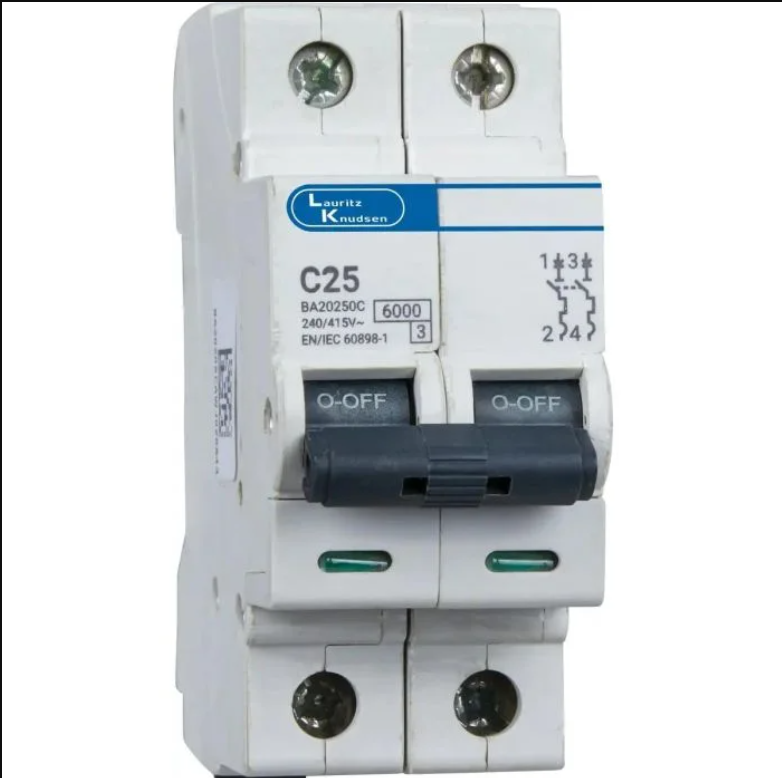
Electrical installations depend on components that perform clearly defined roles in switching, control, isolation and protection. Choosing a device only by appearance or nominal rating can lead to an unsuitable installation, so the application, system characteristics and manufacturer instructions must be considered together. This guide explains contactor and its relationship with mcb circuit breaker, outlining the selection factors that matter to electricians, contractors, facility teams and informed buyers. It also highlights where the two terms describe different functions rather than interchangeable products. Lauritz Knudsen Smartshop can be considered as a product discovery destination when comparing electrical components, but buyers should confirm the exact specifications, certifications, compatibility and availability of each product before purchase. Electrical design, installation, testing and maintenance should be carried out by appropriately qualified professionals.
What the Device Does and Where It Fits
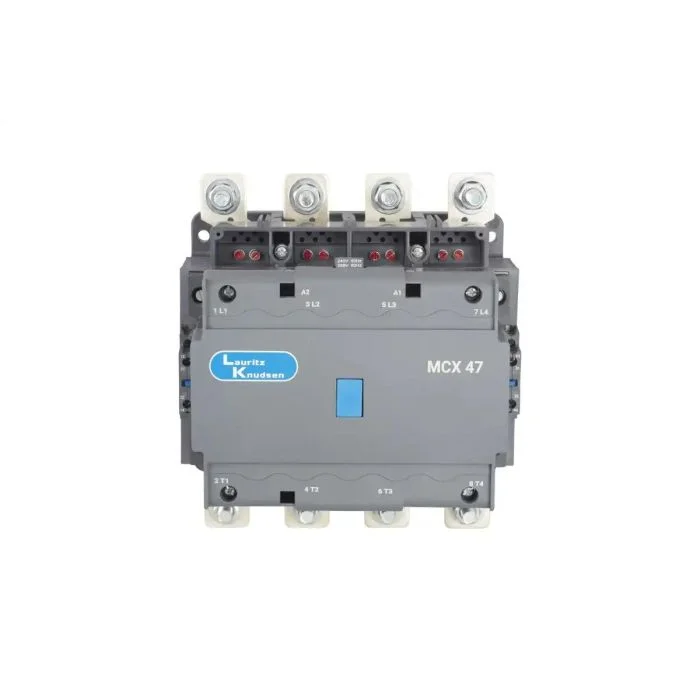
A contactor does not replace the required protective device. The device should be selected in the context of the complete installation rather than as an isolated item. Its role in the circuit, the nature of the connected load and the consequences of a fault all influence the specification. Product descriptions should be read alongside technical data sheets and applicable standards. switches a load through an electrically operated mechanism, often for repeated control. An MCB protects a circuit against overload and short circuit.
Key Ratings and Technical Details to Check
The first review should cover rated voltage, current, frequency, poles, short-circuit or withstand capability where relevant, operating category and environmental conditions. The required rating is not simply the largest value available. It must coordinate with conductor size, upstream and downstream protection, expected load and the prospective fault current at the installation point. Buyers should confirm the exact model and its manufacturer documentation.
Compatibility With the Wider Electrical System
Compatibility includes the supply arrangement, earthing system, connected equipment and other protective devices. In some applications, coordination or discrimination between devices is important so that a fault is cleared by the appropriate protective device without unnecessary loss of supply elsewhere. The designer should consider the complete protection scheme and verify the proposed arrangement using recognised engineering methods.
Installation Environment and Enclosure Selection
The location can affect the product choice. Indoor panels, plant rooms, commercial spaces and outdoor enclosures may face different levels of dust, moisture, temperature, vibration or accidental contact. The enclosure and mounting arrangement should provide the protection required for the environment while allowing safe access for operation and maintenance. Cable entry, ventilation, spacing and identification also need attention.
Safety, Inspection and Maintenance
Electrical equipment should be installed and maintained by competent personnel in accordance with applicable regulations, manufacturer instructions and site procedures. Before work, the circuit must be made safe using the approved isolation and verification process. Inspection may include checking labels, signs of overheating, mechanical damage, loose connections and operation of the relevant test function where provided. Do not open or modify equipment while energised.
Common Selection Mistakes to Avoid
Common mistakes include choosing by price alone, overlooking fault levels, assuming devices with similar names perform the same function, ignoring the enclosure rating and failing to check compatibility with the existing panel. Another risk is relying on a generic online description instead of the exact product datasheet. A documented load assessment and review by a qualified professional can prevent many avoidable selection errors.
How Buyers Can Compare Products Responsibly
Compare products on the basis of application, verified ratings, compliance documentation, dimensions, terminal arrangements, accessories, warranty terms and after-sales support. Confirm whether the quoted item includes required accessories and whether replacement parts are available. For projects, retain model references and technical submittals so that procurement, installation and future maintenance teams are working from the same specification.
The Role of a Reliable Product Information Source
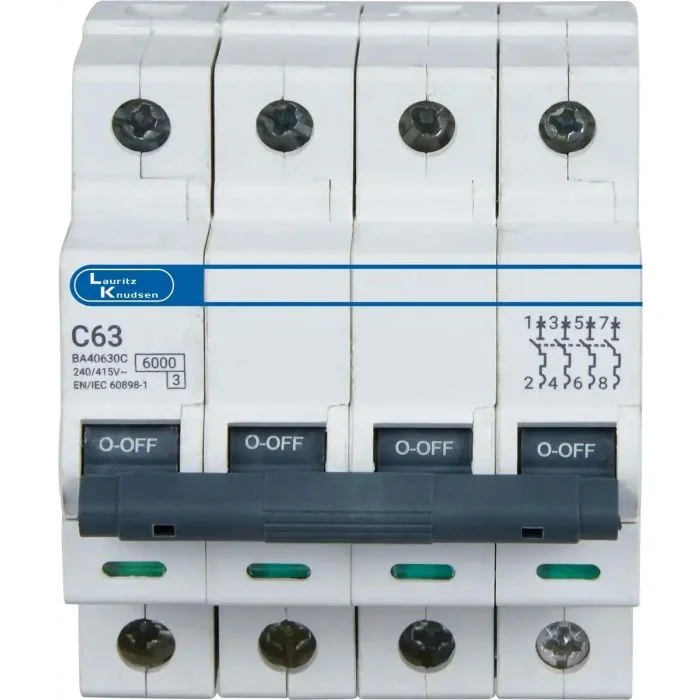
A useful product catalogue should make it easier to identify product families, compare specifications and locate supporting documentation. Buyers should still verify details against the manufacturer’s current technical information because product ranges and approvals can change. {BRAND} can support product discovery, while the final selection should be based on the installation design and the exact product documentation.
Assessing Ratings, Standards and Product Documentation
When comparing contactor and mcb circuit breaker options, buyers should use the exact manufacturer datasheet rather than a broad product category description. Check the rated operating conditions, applicable standards, dimensions, connection details and any limitations stated for the product. A rating that appears suitable in isolation may not be appropriate once the installation’s load, fault level and environmental conditions are considered. Procurement teams should retain the technical submittal and confirm that the delivered model matches the approved specification. Lauritz Knudsen Smartshop can help users explore product information, but final suitability must be confirmed by the project designer or qualified electrician.
Coordinating the Component With Other Equipment
Electrical components operate as part of a wider system. The designer should consider how contactor and mcb circuit breaker interacts with upstream protection, downstream devices, cables, connected loads and the earthing arrangement. Coordination is particularly important where fault current, motor starting, switching frequency or leakage current may affect operation. Where the installation is being modified, the existing panel schedule and drawings should be reviewed before a replacement is selected. Avoid assuming that a device with the same physical size or nominal current is automatically a suitable substitute.
Procurement, Installation and Handover Checks
A clear procurement and handover process helps prevent specification errors. Confirm the exact model reference, accessories, terminal arrangement, enclosure compatibility and warranty terms before ordering. At installation, the qualified contractor should follow the manufacturer’s instructions and applicable safety procedures, then carry out the required inspection and testing. Update circuit schedules, labels and maintenance records so future users can identify the equipment correctly. Any unusual operation, repeated tripping, overheating or visible damage should be investigated by competent personnel rather than addressed by fitting a higher-rated device.
Conclusion
Understanding the purpose of contactor and how it differs from or works alongside mcb circuit breaker helps buyers make a more informed selection. Ratings, fault conditions, system compatibility, environment and maintenance requirements all matter. Lauritz Knudsen Smartshop can be used as a starting point for comparing electrical products, but final specifications and installation decisions should be verified by qualified professionals using current manufacturer documentation.
 hafiz pest.control
 goodluck india.limited
 abhi.mughal