
Introduction
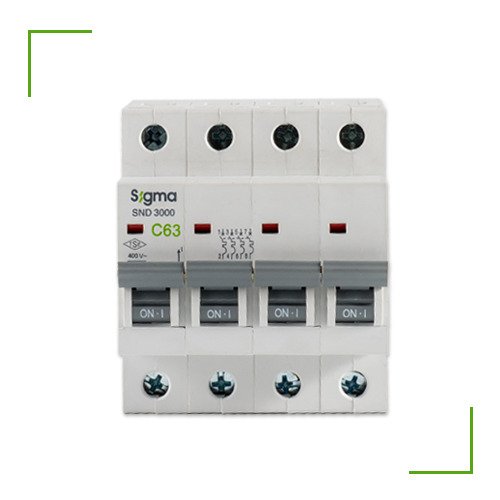
Modern electrical systems rely on precision protection devices to prevent costly equipment damage, fire hazards, and dangerous short circuits. Traditional fuses required manual wire replacements every time an electrical surge occurred, causing unnecessary downtime for households and commercial facilities. Installing a reliable miniature circuit breaker automatically interrupts current flow during overloads and short circuits, allowing instant power restoration with a simple switch reset.
Proper electrical protection safeguards appliances, wiring infrastructure, and human lives across residential homes and industrial plants. Trusted switchgear providers like jawadelectric supply certified electrical protection equipment designed to deliver stable, uninterrupted power management across diverse voltage environments.
Why Circuit Protection Devices Are Important
Selecting the correct circuit protection hardware prevents electrical fires caused by overloaded wiring or sudden current spikes. Using a high-grade miniature circuit breaker protects individual residential and commercial sub-circuits, reacting within milliseconds to isolate faulty zones without shutting down the entire building.
At the same time, deploying heavy-duty mccb breakers handles much higher current ratings for main distribution boards, industrial machinery, and commercial plazas. Combining standard sub-circuit protection with main molded-case breakers ensures complete electrical coordination, preventing thermal damage to cables and sensitive electronic equipment.
How Circuit Breakers Operate
Circuit breakers monitor electrical current continuously using two distinct internal tripping mechanisms to detect anomalies.
The thermal tripping mechanism utilizes a bimetallic strip that bends when subjected to prolonged moderate overloads, gently triggering the switch mechanism before wires overheat. Simultaneously, the magnetic tripping coil reacts instantaneously to severe short-circuit surges, snapping the internal contacts open immediately to extinguish electrical arcs safely inside specialized arc chutes.
Types of Electrical Breakers
Electrical distribution setups require specific breaker designs matched to load capacity and installation scale:
Standard single-pole, double-pole, and three-phase miniature units handle currents up to 125 amperes with B, C, or D tripping curves suited for lighting, motors, and household appliances. Molded case units handle heavy currents ranging from 16 amperes up to 1600 amperes, offering adjustable trip settings for factories, hospitals, and large commercial infrastructure. Direct current breakers provide specialized arc-suppression features tailored specifically for solar power installations and battery storage banks.
Benefits of Choosing Certified Switchgear
Installing authentic electrical breakers guarantees accurate tripping thresholds, flame-retardant housings, and long operational lifespans. Selecting a tested miniature circuit breaker ensures dependable sensitivity that protects air conditioners, refrigerators, and computers from sudden voltage fluctuations.
Integrating industrial-grade mccb breakers sourced from authorized distributors like jawadelectric gives contractors and facility managers full confidence in international safety compliance. Verified switchgear minimizes maintenance disruptions, reduces fire risks, and ensures smooth operation across complex electrical networks.
Preventive Maintenance for Electrical Panels
Maintaining a safe distribution board requires periodic inspection and proper load balancing across circuits.
Avoid connecting high-wattage appliances onto circuits rated for light residential loads to prevent nuisance tripping. Keep distribution boxes clean, dry, and properly ventilated so internal thermal elements operate at accurate ambient temperatures. Have a qualified electrician inspect terminal connections periodically to tighten loose wires and verify proper breaker responsiveness.
FAQs
What is the main difference between MCB and MCCB units?
Miniature units handle lower current ratings up to 125A for homes and small offices with fixed trip settings, while molded-case breakers manage heavy currents up to 1600A with adjustable protection parameters for industrial applications.
Can a circuit breaker be reused after it trips?
Yes, unlike traditional fuses that burn out and require replacement, circuit breakers can be safely reset by flipping the toggle switch back once the electrical fault is cleared.
What do B, C, and D tripping curves indicate?
These letters indicate how fast a breaker trips during current surges, with B curves suited for residential lighting, C curves for inductive commercial loads, and D curves for heavy industrial motors.
Why do circuit breakers require high breaking capacity ratings?
Breaking capacity measured in kiloamperes determines the maximum fault current a breaker can safely interrupt without sustaining internal damage during a severe short circuit.
Conclusion
Upgrading electrical distribution panels with modern protection hardware is essential for safeguarding property, machinery, and human life. Installing a certified miniature circuit breaker delivers fast, resettable protection for everyday circuits, while heavy-duty mccb breakers secure high-load industrial and commercial power systems. By relying on authorized electrical suppliers like jawadelectric, homeowners and engineers can build safe, compliant, and dependable power infrastructure.
 taxi service.makkah
 synch.travel
 nurse practitioner.nyc