
Facial enhancement has become an increasingly popular option for individuals who want to improve their appearance, restore lost volume, and achieve more balanced facial features. Modern aesthetic medicine offers several approaches to facial rejuvenation, ranging from non-surgical injectable treatments to advanced surgical procedures. Among these options, dermal fillers and surgical facial enhancement are two commonly considered methods.
Although both treatments can improve facial appearance, they differ significantly in their techniques, recovery periods, results, and suitability for different aesthetic concerns. Dermal fillers provide temporary volume enhancement through injections, while surgical procedures involve physical changes to facial tissues or underlying structures.
Understanding these differences can help individuals make informed decisions about which approach may better suit their needs, expectations, and long-term aesthetic goals.
What Are Dermal Fillers?
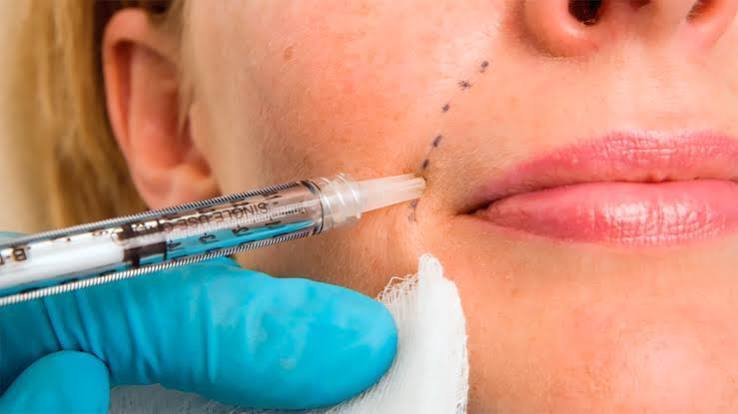
Dermal fillers are injectable cosmetic treatments designed to restore facial volume, soften certain wrinkles, and improve facial contours. They are commonly used in areas such as the cheeks, lips, chin, jawline, and around the mouth.
Many dermal fillers contain hyaluronic acid, a naturally occurring substance in the body that helps maintain hydration and volume within the skin. Other formulations contain materials that stimulate collagen production and support gradual improvements in facial fullness.
The treatment involves injecting carefully selected filler products beneath the skin to enhance specific areas. Depending on the formulation and treatment location, results may become visible immediately or develop gradually.
Dermal fillers are generally considered minimally invasive because they do not require surgical incisions or general anaesthesia.
What Is Surgical Facial Enhancement?
Surgical facial enhancement involves medical procedures that physically modify facial tissues, remove excess skin, reposition structures, or alter underlying bone and cartilage.
These procedures are designed to address different aesthetic concerns, including significant skin laxity, structural irregularities, and facial features that require more substantial changes.
Common examples include:
- Facelift: Addresses facial sagging by repositioning underlying tissues and removing excess skin.
- Rhinoplasty: Changes the shape or structure of the nose.
- Chin Augmentation: Improves chin projection and facial profile using implants or surgical techniques.
- Blepharoplasty: Removes or repositions excess tissue around the eyelids.
- Fat Grafting: Transfers a person’s own fat to selected facial areas to restore volume.
Surgical procedures generally involve more extensive preparation and recovery than injectable treatments. Their suitability depends on individual anatomy, medical history, and aesthetic objectives.
How Do Dermal Fillers Differ from Surgical Facial Enhancement?
Both approaches can improve facial appearance, but their treatment methods and outcomes are different.
1. Treatment Techniques
The most noticeable difference is how the treatments are performed.
Dermal fillers are administered through injections using fine needles or cannulas. A practitioner places the selected product beneath the skin to restore volume or enhance specific facial contours.
Surgical facial enhancement requires an operation involving incisions, tissue repositioning, removal, or structural modification. Depending on the procedure, general or local anaesthesia may be necessary.
Fillers are therefore generally less invasive, while surgery involves more extensive physical intervention.
2. Recovery Time
Recovery is another important difference between these treatments.
After dermal filler injections, patients may experience temporary swelling, redness, bruising, or tenderness. These effects generally improve within several days, although some treatment areas may take longer to settle.
Surgical procedures usually involve a longer recovery period. Depending on the operation, patients may experience swelling, bruising, discomfort, and activity restrictions for several weeks.
The recovery experience varies according to the complexity of the procedure and individual healing patterns.
3. Duration of Results
Dermal fillers generally provide temporary results. Their longevity depends on the product, treatment area, injection technique, and individual metabolism.
Hyaluronic acid fillers may last approximately six to eighteen months or longer in certain areas. Collagen-stimulating formulations may produce improvements that last longer, depending on the product.
Surgical facial enhancement can provide longer-lasting structural changes. However, surgical results are not necessarily permanent because natural aging, gravity, and changes in skin elasticity continue over time.
4. Treatment Objectives
Dermal fillers are primarily used for restoring volume, improving facial contours, and softening selected wrinkles.
For example, cheek fillers may restore midface fullness, while chin fillers can improve projection and facial proportions.
Surgery is generally considered when a concern requires more substantial structural correction. A facelift may address significant skin laxity, while rhinoplasty can modify the underlying structure of the nose.
The appropriate approach depends on the specific concern rather than simply choosing the least invasive treatment.
5. Customisation and Adjustments
Dermal filler treatments allow practitioners to make carefully planned adjustments to selected facial areas. With hyaluronic acid fillers, dissolving the product using hyaluronidase may be possible when clinically appropriate.
However, fillers cannot always be completely reversed, and complications may require additional medical treatment.
Surgical procedures involve more substantial physical changes. Correcting an unwanted surgical result may require another operation, which can involve additional risks and recovery time.
What Facial Concerns Can Dermal Fillers Address?
Dermal fillers can improve several aesthetic concerns without surgery, depending on the individual’s facial anatomy and the selected product.
Common applications include:
Cheek Volume Loss: Fillers can restore fullness in hollow cheeks and improve midface contours.
Lip Enhancement: They can improve lip volume, shape, and definition while maintaining natural proportions.
Nasolabial Folds: Fillers may soften the appearance of folds extending from the nose toward the corners of the mouth.
Chin Definition: Selected treatments can improve chin projection and create better facial proportions.
Jawline Contouring: Fillers may enhance definition along the lower facial border.
However, fillers cannot correct significant skin sagging, major skeletal abnormalities, or every structural concern that may require surgery.
What Are the Risks of Each Treatment?
Both dermal fillers and surgical procedures carry potential risks.
Common filler-related side effects include temporary swelling, bruising, redness, tenderness, and lumps. More serious complications can include infection, inflammatory reactions, and vascular occlusion. Accidental injection into a blood vessel can cause tissue damage and, rarely, vision loss.
Surgical risks depend on the procedure but may include infection, bleeding, scarring, anaesthesia-related complications, and changes in sensation.
Patients should discuss potential complications, expected outcomes, and treatment limitations with a qualified medical professional before proceeding.
How Do You Choose Between Dermal Fillers and Surgery?
Choosing between injectable treatments and surgical enhancement requires an assessment of individual aesthetic concerns.
Dermal fillers may be suitable for individuals seeking subtle volume restoration, improved facial contours, or temporary enhancement without an operation.
Surgery may be more appropriate for people experiencing significant skin laxity or requiring substantial structural changes.
A professional consultation helps evaluate facial anatomy, medical history, expectations, and available treatment options. In some cases, a combination of different approaches may be considered, provided each treatment is medically appropriate.
Conclusion
Dermal fillers and surgical facial enhancement offer different approaches to improving facial appearance. Fillers provide a minimally invasive option for restoring volume, softening selected wrinkles, and enhancing facial contours, while surgery addresses more significant structural changes and skin laxity. Understanding their differences in technique, recovery, longevity, and potential risks is essential when choosing an appropriate treatment.
Dr Hussam Abbadi emphasises the importance of personalised assessment and informed treatment decisions when considering facial enhancement. Individuals exploring Dermal Fillers in Dubai should consult an experienced medical practitioner to determine whether injectable treatments or surgical alternatives are better suited to their facial anatomy, aesthetic expectations, and desired outcomes.
 andrew.johnson
 handry.davis
 davidson.faff