
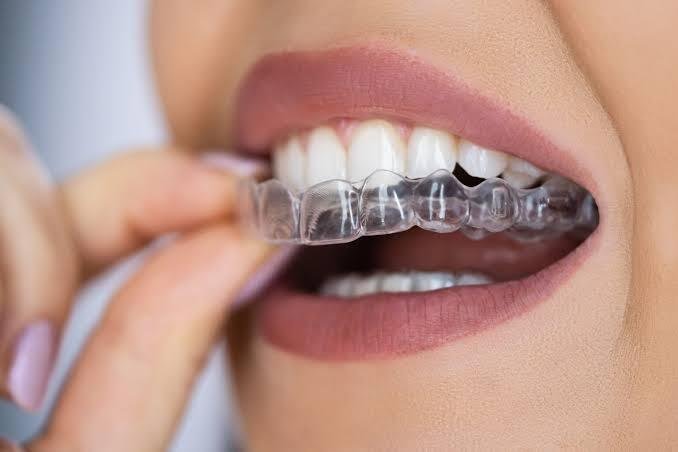
Invisalign has become a popular orthodontic treatment for individuals who want to straighten their teeth without wearing traditional metal braces. Its transparent, removable design offers flexibility and convenience, allowing patients to maintain their daily routines while gradually improving their dental alignment. However, achieving successful results requires more than simply wearing the aligners occasionally. Consistency plays an important role in ensuring that teeth move according to the planned treatment schedule.
Unlike fixed braces, Invisalign aligners can be removed throughout the day. Although this feature makes them convenient, removing them for extended periods or forgetting to wear them regularly can interrupt the tooth movement process. Inconsistent wear may lead to discomfort, delayed progress, and difficulties when switching to the next aligner.
Understanding what happens when Invisalign aligners are not worn consistently can help patients protect their treatment progress and achieve their desired smile.
How Many Hours Should You Wear Invisalign Aligners Daily?
Invisalign aligners work by applying gentle, controlled pressure to specific teeth. This pressure encourages gradual movement and helps guide teeth towards their planned positions.
For many patients, orthodontists recommend wearing Invisalign aligners for approximately 20 to 22 hours every day. However, the exact wearing schedule should always follow the individual treatment plan.
Patients generally remove their aligners only when:
- Eating meals or snacks.
- Drinking beverages other than water.
- Brushing and flossing their teeth.
- Cleaning the aligners.
- Following specific instructions from their orthodontist.
Maintaining the recommended daily wearing time helps ensure that the aligners apply consistent pressure to the teeth.
1. Your Teeth May Not Move According to the Treatment Plan
One of the most common consequences of inconsistent Invisalign use is interrupted tooth movement.
Each aligner is designed to make specific adjustments to tooth positioning. When patients wear their trays regularly, the teeth gradually adapt to the pressure applied by the aligners.
However, removing the trays for extended periods reduces the amount of time the teeth receive the required orthodontic force.
As a result, teeth may not reach their intended positions within the expected timeframe. When this happens, the current aligner may no longer fit as planned, making it difficult to progress to the next stage.
Following the prescribed wearing schedule is essential for keeping treatment on track.
2. Your Teeth May Shift Back Towards Their Previous Positions
Teeth are supported by surrounding bone, periodontal ligaments, and soft tissues. During orthodontic treatment, these structures gradually adapt as teeth move into new positions.
When aligners are removed for long periods, teeth may begin shifting towards their previous positions. This is particularly possible when the supporting tissues have not fully adapted to the latest tooth movements.
Even relatively short interruptions can make aligner fitting more difficult for some patients.
Although occasional missed wear does not automatically reverse all treatment progress, repeatedly leaving aligners out can increase the risk of unwanted tooth movement.
3. You May Experience Discomfort When Wearing Aligners Again
Patients who frequently remove their Invisalign trays may notice increased tightness or discomfort when putting them back in.
This happens because teeth can move slightly during extended periods without orthodontic pressure.
When the aligner is reinserted, it may need to apply additional pressure to guide the teeth back towards the positions planned for that stage.
Possible symptoms include:
- Pressure around individual teeth.
- Mild tooth sensitivity.
- Tenderness while chewing.
- Difficulty inserting the aligner.
- A tighter feeling around the dental arch.
Patients should not force an aligner into position if it does not fit properly. An orthodontist should assess the situation and recommend the appropriate next step.
4. Your Overall Treatment Duration May Increase
Invisalign treatment follows a planned sequence of tooth movements. Each aligner is intended to be worn for a specific period before progressing to the next set.
When patients fail to meet the recommended wearing schedule, the planned movements may take longer to complete.
For example, if a patient regularly removes aligners for several additional hours each day, the teeth may not receive enough consistent pressure to progress as expected.
This can lead to:
- Delayed movement of targeted teeth.
- Changes to the original treatment schedule.
- Additional monitoring appointments.
- The need for replacement or refinement aligners.
- A longer overall treatment period.
The actual delay depends on the frequency of missed wear and the complexity of the orthodontic case.
5. Your Next Set of Aligners May Not Fit Properly
Each Invisalign tray is designed to fit a particular stage of the treatment process. The next aligner assumes that the teeth have completed the movements planned for the previous set.
If patients do not wear their current aligners consistently, their teeth may not be ready for the next stage.
This can cause problems when attempting to switch trays.
The new aligner may feel unusually tight, fail to sit properly over certain teeth, or leave visible gaps between the plastic and tooth surfaces.
Patients should never switch to the next set simply because the scheduled date has arrived if their current aligner is not tracking properly. They should contact their orthodontist for guidance.
6. Your Treatment May Require Additional Refinements
In some cases, inconsistent aligner use can affect how accurately teeth follow the original treatment plan.
When certain teeth do not move as expected, orthodontists may need to reassess the treatment and make adjustments.
This may involve additional digital scans, a revised treatment plan, or refinement aligners.
Refinement aligners are additional trays designed to address remaining alignment concerns after the initial series.
Not every patient who misses wearing time will need refinements. However, inconsistent use can increase the possibility of requiring additional adjustments.
7. Your Bite Alignment May Not Improve as Expected
Invisalign is not only used to straighten individual teeth. It can also help address selected bite problems, including certain overbites, crossbites, and open bites.
These corrections require carefully coordinated movements between the upper and lower dental arches.
If patients do not wear their aligners regularly, the planned movements may become inconsistent.
As a result, the teeth may not achieve the intended relationship, potentially affecting the final bite correction.
Consistent wear is especially important when treatment involves multiple teeth or more complicated orthodontic movements.
Practical Tips for Wearing Invisalign Aligners Consistently
Developing a consistent routine can make it easier to follow the recommended Invisalign schedule.
Here are some practical ways to improve daily compliance:
1. Set Daily Reminders
Use phone alarms or reminders to help you remember when to reinsert your aligners after meals and cleaning routines.
2. Establish Regular Meal Times
Planning meals can help reduce unnecessary aligner removal throughout the day.
3. Keep Your Aligner Case Accessible
Always carry your aligner case when travelling or eating outside. This helps prevent accidental loss or damage.
4. Track Your Wearing Schedule
Use a diary or tracking application to monitor how long your aligners remain outside your mouth.
5. Follow Your Orthodontist’s Instructions
Always follow the recommended daily wearing time and aligner replacement schedule. Avoid making treatment adjustments independently.
What Should You Do If You Forget to Wear Invisalign?
Occasionally forgetting to wear your aligners does not necessarily mean your treatment has failed.
The appropriate response depends on how long the aligners were left out and whether they still fit correctly.
If you miss a short period, reinsert the aligners when appropriate and continue following your orthodontist’s instructions.
However, if you have missed several hours repeatedly, left your aligners out overnight, or stopped wearing them for multiple days, contact your orthodontist before progressing to another set.
Do not double up on wearing time, force a tight aligner into place, or change trays early without professional guidance.
Conclusion
Wearing Invisalign aligners consistently is essential for achieving the planned orthodontic results. Inconsistent use can interrupt tooth movement, increase discomfort, affect aligner fitting, and extend the overall treatment duration. Following the recommended daily wearing schedule, maintaining good oral hygiene, and attending regular dental appointments can help patients avoid unnecessary treatment delays.
At Dr Hasan Odeh, patients can receive professional guidance on maintaining their orthodontic treatment and achieving their desired smile. If you are considering Invisalign Clear Aligners in Dubai, consulting an experienced dental professional can help you understand the treatment process, wearing requirements, and the importance of consistency in achieving a straighter, healthier smile.
 andrew.johnson
 handry.davis