
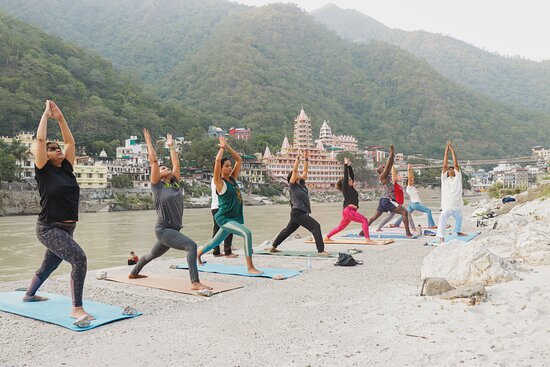
Yoga is a practice that continues to reveal new lessons over time. As students become more familiar with physical postures, breathing techniques, and meditation, their interest often moves towards understanding the deeper principles behind the practice. They begin to look beyond individual movements and explore how yoga can influence their thoughts, habits, and approach to everyday life.
For those who have already developed a foundation in yoga, continued education can open up new opportunities. It can help practitioners refine their personal practice, understand traditional teachings in greater detail, and become more confident when guiding others.
Rishikesh has long attracted people interested in learning yoga in a traditional setting. Its spiritual atmosphere and connection with Indian yoga culture make it a meaningful destination for students who want to continue their journey.
Finding an experienced yoga teacher in rishikesh and choosing a suitable advanced programme can help students make their learning experience more focused and rewarding.
The Value of Learning from an Experienced Yoga Teacher
A good yoga teacher does more than demonstrate postures. They help students understand the purpose of each practice, recognise their individual abilities, and develop a thoughtful approach to learning.
Guidance becomes particularly important as students explore more advanced techniques. Some postures require a better understanding of alignment and body awareness, while breathing and meditation practices call for patience and careful instruction.
An experienced instructor can explain these subjects in a clear and practical way. They can also help students understand that yoga is not a competition. Every practitioner has different physical abilities, experiences, and learning needs.
When choosing a yoga teacher in rishikesh, students should consider teaching experience, communication style, knowledge of traditional yoga, and the overall approach to student development.
Why Rishikesh Continues to Inspire Yoga Practitioners
Situated near the Himalayan foothills and the River Ganga, Rishikesh is widely recognised for its connection with yoga and spiritual learning.
The surroundings offer a change from the pace of everyday city life. Students can spend more time practising, studying, and reflecting without the usual demands of their regular routines.
The city also brings together practitioners from different countries. Sharing a learning environment with people who have different experiences can introduce fresh ideas and encourage meaningful conversations.
For many students, studying in Rishikesh is not only about attending classes. It is also an opportunity to experience the local culture, explore traditional teachings, and develop a more disciplined routine.
Understanding Advanced Yoga Teacher Training
A 300 hour teacher training programme is generally designed for students who have already completed an appropriate foundational yoga teacher training course.
A 300 hour yoga teacher training course in rishikesh can provide an opportunity to build upon earlier knowledge and explore different aspects of yoga in greater depth.
The programme may include advanced asana, pranayama, meditation, anatomy, yoga philosophy, and teaching methodology. The exact subjects and training structure depend on the school.
Advanced education is not simply about learning more difficult postures. It encourages students to understand the reasons behind different practices and become more thoughtful about how they teach.
Students should check the entry requirements before applying, as advanced programmes generally expect a suitable previous qualification, often a recognised 200 hour teacher training certificate.
What You Can Explore During Advanced Training
Advanced yoga education can help students revisit familiar subjects from a more developed perspective. Each area of study contributes to a stronger understanding of personal practice and teaching.
1. A More Detailed Approach to Asana
Asana practice can become more refined as students gain experience. They begin to pay closer attention to alignment, transitions, balance, and the relationship between movement and breathing.
Advanced study may introduce more challenging postures, but the emphasis should remain on understanding the body and practising responsibly.
Students learn that a posture does not need to look identical for everyone. Appropriate adjustments and variations can make practice more accessible to people with different physical abilities.
2. A Better Understanding of Pranayama
Pranayama is an important part of traditional yoga. It introduces students to breathing techniques that require awareness, preparation, and consistency.
Advanced study can help practitioners understand the purpose of different methods and how they fit into a balanced yoga routine.
Learning to guide breathing practices also requires care. Teachers should understand the importance of introducing techniques gradually and considering the needs of individual students.
3. Developing Meditation Practice
Meditation encourages concentration and self awareness. With regular practice, students can become more familiar with observing their thoughts and maintaining attention.
Advanced learning may explore different meditation approaches and the principles that support a consistent practice.
For teachers, this knowledge can help them introduce meditation in a way that is clear, welcoming, and appropriate for their students.
4. Exploring Traditional Yoga Philosophy
Yoga philosophy helps practitioners understand the values and ideas that support the wider discipline.
Students may explore traditional concepts related to discipline, self study, ethical behaviour, and awareness. These teachings can offer useful perspectives on how yoga principles apply outside formal practice.
A deeper understanding of philosophy can also influence a teacher’s approach to students. Patience, respect, honesty, and humility are important qualities in a responsible teaching environment.
5. Understanding Anatomy and Safe Movement
Anatomy provides valuable knowledge about the human body and the way it moves.
Teachers need to recognise that every student has different physical abilities and limitations. A better understanding of anatomy can help them offer suitable modifications and avoid encouraging movements that may not be appropriate.
This knowledge also supports clearer explanations of alignment and posture.
6. Improving Teaching Skills
Advanced training can provide opportunities to improve class planning, sequencing, demonstrations, and verbal instructions.
A teacher must be able to communicate clearly and create a comfortable environment for students. They should also understand how to adjust their teaching approach according to the experience and needs of a group.
Developing these skills takes practice. Feedback, observation, and regular teaching experience can all contribute to professional growth.
Learning at Himalayan Yoga Ashram
The learning environment plays an important role in any teacher training experience. Students should look for a school that provides clear course information, suitable guidance, and a structured approach to practical and theoretical study.
Himalayan Yoga Ashram is based in Rishikesh and offers an opportunity to explore yoga education in a setting associated with traditional spiritual learning.
Students considering a 300 hour yoga teacher training course in rishikesh should review the latest information available from the school. It is important to understand the curriculum, admission requirements, teaching schedule, accommodation arrangements, and certification details.
It is also worth asking how the programme balances practical sessions with subjects such as philosophy, anatomy, and teaching methodology.
Taking time to understand these details before enrolment can help students decide whether the course matches their experience and future goals.
How Ashram Life Can Support Your Development
Studying in an ashram can introduce students to a more focused daily routine. It creates an opportunity to give greater attention to practice, learning, rest, and personal reflection.
Depending on the programme, daily activities may include yoga sessions, pranayama, meditation, theoretical lessons, and independent study.
Following a consistent schedule can encourage discipline and help students become more aware of their everyday habits. It can also provide space to reflect on what they have learned and how they can apply it in their own lives.
Living and learning alongside other students is another valuable part of the experience. People from different backgrounds often bring different perspectives, making discussions and shared practice more interesting.
The lessons gained from this environment can remain useful long after the training period ends.
Who Should Consider Advanced Yoga Education?
Advanced teacher training is generally intended for practitioners who already have a foundation in yoga education.
It may be suitable for people who:
- Have completed an appropriate foundational teacher training course.
- Want to develop a more detailed understanding of yoga.
- Are interested in improving their teaching and communication skills.
- Wish to study traditional philosophy and meditation in greater depth.
- Want to refine their personal asana and pranayama practice.
- Are committed to continuing their development as yoga instructors.
Before enrolling, students should consider their current experience and what they hope to achieve. A clear understanding of personal goals makes it easier to choose a programme that offers relevant learning opportunities.
Preparing for Your Training Experience
Good preparation can help make the training period more comfortable and productive.
Begin by reviewing the course requirements and understanding the daily schedule. Make sure you know what is included in the programme and arrange travel and accommodation details in advance.
It can also be helpful to maintain a regular personal practice before arriving. Gentle movement, basic breathing awareness, and meditation can help you become familiar with a consistent routine.
Remember that advanced study still requires patience. Even experienced practitioners encounter new ideas and techniques that take time to understand. An open mind and a willingness to learn are more valuable than expecting immediate progress.
Take Your Practice Further with Purpose
Continuing yoga education is an opportunity to develop both knowledge and personal understanding. It can help practitioners refine their skills, explore traditional teachings, and become more responsible in the way they guide others.
Rishikesh offers an inspiring setting for this journey through its spiritual heritage and long association with yoga. Himalayan Yoga Ashram is worth exploring if you are considering further study in this environment.
Visit the official website to review available programmes and confirm the latest course information before making a decision.
A meaningful yoga journey does not end when a training programme is completed. It continues through regular practice, thoughtful teaching, and the willingness to remain a student throughout life.
 pavani.choubey
 maraal.deniz
 kristen.mitchell