
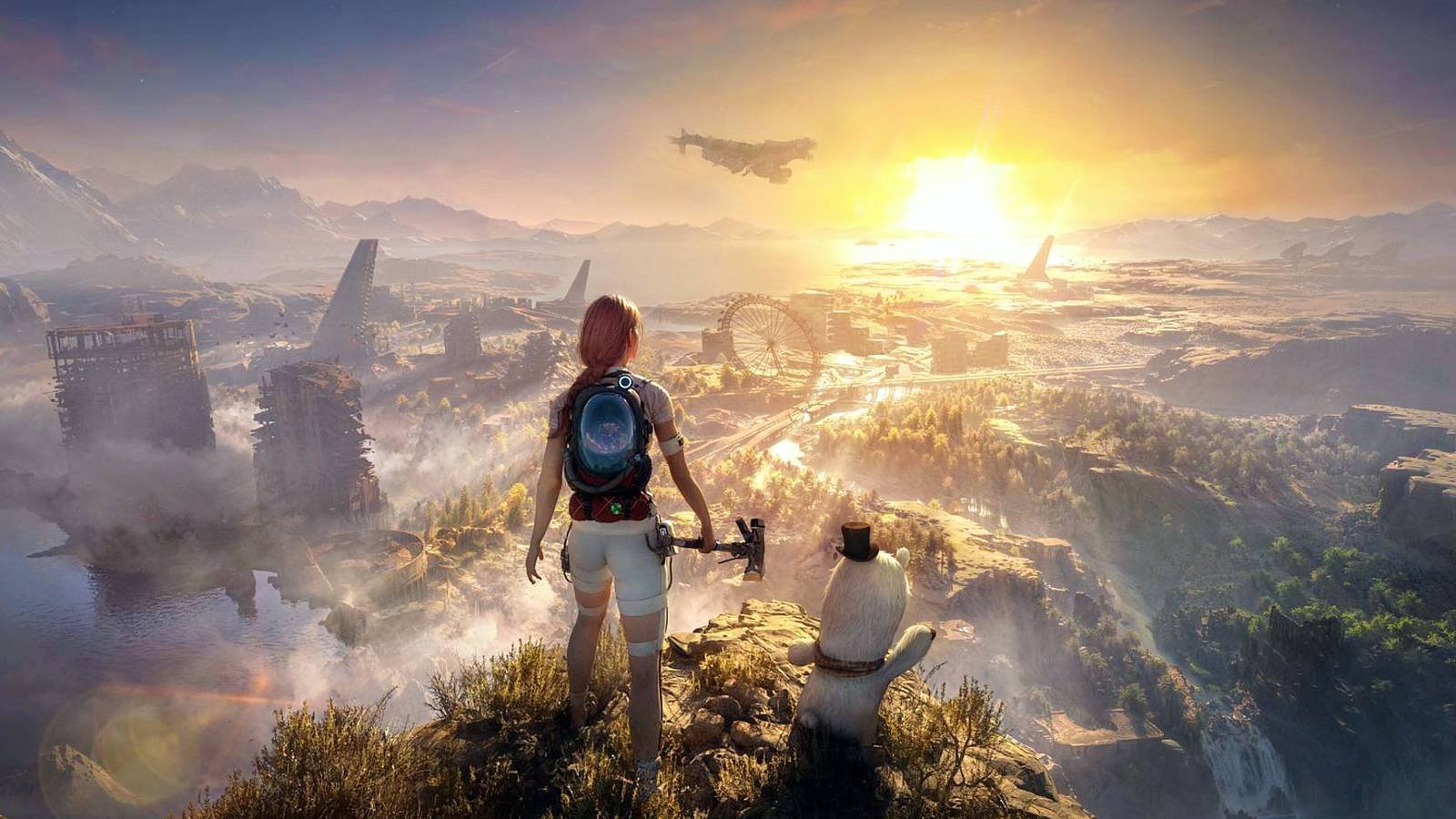
The gaming industry has evolved significantly over the past decade. What was once considered a form of entertainment primarily enjoyed by children and teenagers has become a global industry attracting people of all ages. From mobile games and PC titles to console experiences and immersive virtual reality environments, gaming has become an important part of modern digital culture. This growth has also created exciting opportunities for businesses, entrepreneurs, startups, and established brands.
One of the most promising opportunities in this industry is custom game development. Businesses are increasingly investing in unique gaming experiences that reflect their ideas, objectives, and target audiences. Instead of relying entirely on ready-made games or standard templates, companies are choosing customized solutions that offer greater creative freedom, better functionality, and stronger brand recognition.
As consumer expectations continue to change, the demand for professional game development service providers is also increasing. Companies want games that deliver engaging experiences while supporting their commercial goals. Whether the objective is to launch a mobile game, create an educational platform, develop a multiplayer experience, or introduce gamification into an existing business, custom development offers several possibilities.
Understanding why this market is growing can help entrepreneurs and investors identify new opportunities in the gaming sector.
1. The Gaming Industry Continues to Expand
The global gaming market has experienced remarkable growth, supported by technological advancements, wider internet access, and the increasing popularity of smartphones. Gaming is no longer limited to dedicated consoles or expensive computers. Millions of people now access games through mobile devices, making interactive entertainment more accessible than ever.
This expansion has encouraged businesses to explore gaming as a profitable industry. Independent developers, technology startups, entertainment companies, and established brands are all looking for ways to participate in the market.
Custom game development allows businesses to create products that match specific audience preferences. For example, a company targeting casual mobile gamers may need a simple and entertaining puzzle game, while a business targeting competitive players might require advanced multiplayer features.
This flexibility makes customized gaming solutions attractive to companies with different budgets, business models, and long-term objectives.
As the audience continues to grow, businesses have more opportunities to introduce innovative concepts and reach customers through interactive digital experiences.
2. Increasing Demand for Unique Gaming Experiences
Modern gamers have access to thousands of gaming options. With so much competition, creating something different has become increasingly important. Players are no longer satisfied with basic gameplay alone. They expect interesting storylines, attractive graphics, smooth performance, responsive controls, and meaningful interactions.
This shift in expectations has increased the demand for customized games.
Businesses can use custom development to introduce original characters, distinctive environments, personalized features, and unique gameplay mechanics. These elements help create memorable experiences that distinguish a game from competing products.
For example, a gaming startup may want to introduce a fantasy adventure with an original storyline. A fitness company might develop an interactive game that encourages users to exercise regularly. Similarly, an educational organization could create a learning game designed around its specific teaching methods.
Pre-built solutions may not offer the flexibility required for these ideas. Custom development gives businesses greater control over the final product and allows them to build experiences around their intended audience.
3. Mobile Gaming Creates New Revenue Opportunities
Mobile gaming is one of the strongest drivers of growth in the gaming industry. Smartphones have made gaming convenient, allowing users to play almost anywhere and at any time.
This accessibility has created opportunities for businesses interested in developing games for Android and iOS platforms.
Mobile games can support different revenue models, including:
- In-app purchases: Players purchase additional content, virtual items, characters, or upgrades.
- Advertising: Developers generate revenue by displaying advertisements within games.
- Subscriptions: Users pay recurring fees to access premium features or exclusive content.
- Paid downloads: Players purchase a game before downloading and installing it.
- Hybrid monetization: Businesses combine multiple revenue streams to support long-term profitability.
Custom development makes it possible to select monetization strategies that suit the game’s audience and overall concept.
For example, a casual puzzle game might generate revenue through optional purchases and advertisements, while a premium mobile game could focus on a one-time purchase model.
However, successful monetization requires careful planning. Businesses must balance revenue generation with user satisfaction to avoid creating experiences that feel overly commercial.
4. Businesses Are Using Games Beyond Entertainment
Another important reason behind the growth of custom game development is the increasing use of games outside the traditional entertainment industry.
Businesses now recognize that interactive experiences can support education, employee training, marketing, customer engagement, and product demonstrations.
This approach is commonly associated with gamification, where game-inspired elements are introduced into non-gaming activities.
For instance, educational institutions can use interactive games to make complicated subjects easier to understand. Companies can develop training simulations that allow employees to practice workplace scenarios in a controlled digital environment.
Retail businesses can introduce branded games to attract customers and encourage participation in promotional campaigns. Healthcare organizations may also explore interactive applications that support patient education and certain rehabilitation activities.
These applications demonstrate that gaming technology has commercial value beyond selling entertainment products.
For businesses, this creates an opportunity to develop specialized gaming solutions for industries that may not traditionally be associated with video games.
5. Advancements in Gaming Technology
Technology is another major factor contributing to the growth of the custom gaming market.
Modern development tools have made it possible to create more detailed, interactive, and technically advanced gaming experiences. Businesses can now explore features that were once expensive or difficult to implement.
Some important technological developments include:
Artificial Intelligence (AI): AI can support intelligent non-player characters, adaptive gameplay, personalized experiences, and more responsive game environments.
Virtual Reality (VR): VR technology creates immersive experiences that allow players to interact with digital environments using specialized equipment.
Augmented Reality (AR): AR combines digital elements with the real world, creating interactive experiences through compatible devices.
Cloud Gaming: Cloud-based infrastructure can make games accessible across different devices without requiring users to download large files or rely entirely on local processing power.
Advanced Game Engines: Development platforms such as Unity and Unreal Engine provide powerful tools for creating realistic graphics, physics, animations, and interactive environments.
These technologies give businesses more opportunities to develop innovative products. However, selecting the right technology is essential. A successful project should use tools that support its gameplay requirements, target devices, performance expectations, and available budget.
6. Custom Games Strengthen Brand Identity
For businesses, a game can become more than a digital product. It can also serve as a branding and customer engagement tool.
Traditional marketing methods often compete for limited consumer attention. Interactive games provide a different approach by encouraging people to actively participate rather than simply view promotional content.
A company can develop a branded game featuring its products, services, visual identity, or business values. This creates an opportunity to introduce the brand in an entertaining and memorable way.
For example, a food company could launch a mobile game based on a cooking challenge, while a clothing retailer might create a virtual styling experience that allows customers to explore different outfits.
Custom development helps businesses maintain control over the appearance, functionality, and messaging of these experiences.
When designed effectively, branded games can increase customer interaction, encourage repeat engagement, and help businesses build stronger relationships with their audiences.
7. Opportunities for Startups and Independent Developers
Custom game development is not limited to large entertainment companies. Startups and independent developers can also participate in this growing market.
Modern game engines, digital distribution platforms, online development communities, and accessible development tools have reduced several traditional barriers to entry.
Small teams can now create and distribute games without necessarily requiring the infrastructure of a major gaming studio.
Entrepreneurs can explore niche gaming markets, develop original concepts, and test their ideas with smaller audiences before investing in larger projects.
For example, a startup could focus on educational games for children, simulation games for professionals, or casual games designed for specific communities.
Another opportunity is providing development services to businesses that have creative ideas but lack the technical expertise to turn them into finished products.
A professional game development service can help these companies with planning, design, programming, testing, deployment, and ongoing maintenance.
This creates opportunities for agencies and development studios to generate revenue through project-based contracts, long-term partnerships, and specialized technical services.
8. Multiplayer and Social Gaming Are Growing
Gaming has increasingly become a social activity. Players want opportunities to connect with friends, compete against other users, participate in communities, and share their achievements.
Multiplayer features have therefore become an important part of many modern gaming experiences.
Businesses can benefit from this trend by developing games that include online competitions, cooperative missions, leaderboards, chat features, and community-based activities.
Social functionality can encourage players to return to a game and invite others to participate.
However, multiplayer development involves additional technical considerations. Developers must pay attention to server infrastructure, network performance, account security, synchronization, and scalability.
These requirements create demand for specialized development expertise.
Businesses that invest in well-designed multiplayer experiences can create opportunities for long-term user engagement, although success depends on delivering reliable gameplay and maintaining an active player community.
9. The Importance of Scalability and Long-Term Support
Launching a game is only one part of building a successful gaming business. Maintaining its performance and keeping users interested over time are equally important.
As a game attracts more players, its technical requirements may change. Developers may need to improve server capacity, optimize performance, fix bugs, introduce new content, and support additional devices.
Custom development allows businesses to plan for these requirements from the beginning.
A scalable architecture can make it easier to introduce new features without rebuilding the entire product. Similarly, regular updates can improve the player experience and help maintain interest.
Post-launch support may include:
- Bug fixes and performance improvements.
- New levels, characters, and gameplay features.
- Security updates and server maintenance.
- Compatibility improvements for operating systems and devices.
- User feedback analysis and gameplay adjustments.
- Content updates and seasonal events.
Businesses should consider these ongoing responsibilities when planning their development budgets.
A game that receives consistent improvements has a better opportunity to remain relevant than one that is abandoned immediately after launch.
10. Why Choosing the Right Development Partner Matters
Although the gaming industry offers significant business opportunities, developing a successful game requires more than an interesting concept.
A project needs careful planning, technical expertise, creative design, and a clear understanding of its intended audience.
Choosing the right development partner can make a considerable difference to the final outcome.
Businesses should evaluate potential developers based on their portfolios, technical capabilities, communication practices, development processes, and experience with similar projects.
It is also important to discuss the project scope, estimated timeline, budget, ownership rights, testing procedures, and post-launch support before beginning development.
An experienced team can help identify technical challenges early, recommend suitable technologies, and turn business requirements into practical development plans.
Rather than focusing only on the lowest development cost, businesses should consider overall value, product quality, and the ability to maintain the game over time.
A reliable development partnership can reduce unnecessary complications and provide a stronger foundation for future improvements.
11. The Future of Custom Game Development
The future of custom gaming solutions looks promising as technology and consumer expectations continue to evolve.
Artificial intelligence, immersive technologies, cross-platform experiences, and cloud-based infrastructure are likely to influence how games are designed and delivered.
Personalization may also become increasingly important. Games that adapt to individual preferences, playing styles, and skill levels can offer more engaging experiences.
Additionally, businesses may continue exploring game-based solutions for employee development, customer education, marketing, and interactive product experiences.
The growing popularity of digital communities also creates opportunities for games that bring people together through shared activities and online interaction.
However, businesses should avoid investing in technology simply because it is trending. The most successful projects will be those that solve real problems, offer meaningful entertainment, and provide genuine value to their audiences.
Companies that combine creative thinking with practical business planning will be better positioned to take advantage of emerging opportunities.
Conclusion
Custom game development has become a promising business opportunity because gaming is no longer restricted to traditional entertainment. It now plays an important role in marketing, education, training, customer engagement, and digital product innovation.
The expansion of mobile gaming, demand for personalized experiences, advancements in technology, and increasing interest in multiplayer environments are creating new possibilities for businesses of all sizes.
For startups, customized games offer opportunities to introduce original products and explore niche audiences. For established companies, they provide new ways to strengthen brand identity and connect with customers.
Working with an experienced game development service provider can help transform creative ideas into functional, scalable, and engaging digital products.
Ultimately, success in this industry depends on understanding the target audience, choosing suitable technologies, developing quality gameplay, and maintaining the product after launch. Businesses that approach custom game development with a clear strategy and a focus on user experience can build valuable opportunities in the expanding gaming market.
 travor.mills
 abhi.mughal
 damon.gordon