
Why Commercial Roofing Deserves Careful Attention
A commercial roof is one of the most important parts of a building’s protective structure. It shields employees, customers, equipment, inventory, and interior spaces from rain, wind, sunlight, and changing temperatures. When roofing problems go unnoticed, even a small leak can lead to damaged ceilings, moisture intrusion, disrupted operations, and expensive repairs. Understanding roofing needs and addressing maintenance concerns early can help property owners protect their investment.
Understanding Commercial Roofing Requirements
Property owners considering Commercial Roofing Services in Mandeville LA should begin by evaluating the building’s design, roof condition, drainage system, and exposure to local weather. Commercial roofs come in different styles, including flat, low-slope, and pitched systems. Each design has specific installation and maintenance requirements. The right approach depends on factors such as roof size, existing materials, building use, and the property’s long-term maintenance goals.
Common Roofing Materials for Commercial Buildings
Commercial roofing systems use a variety of materials, each offering different performance characteristics. Single-ply membranes such as TPO and EPDM are commonly used on flat and low-slope roofs. Modified bitumen provides another option for certain commercial applications, while metal roofing can be suitable for buildings requiring a durable roofing surface. Before selecting a material, property owners should consider installation requirements, expected maintenance, energy performance, and compatibility with the existing roof structure.
Recognizing Signs of Roof Damage
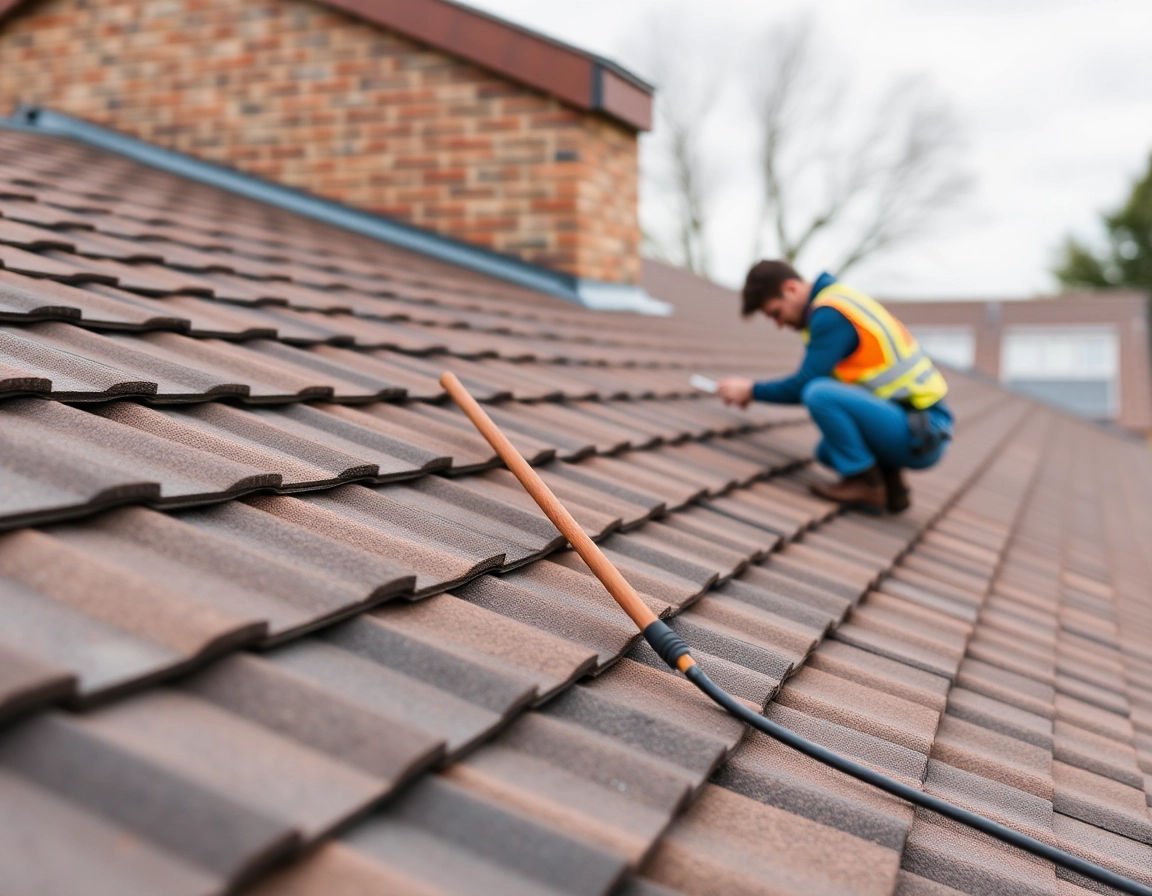
Regular inspections can help identify roofing concerns before they become more serious. Common warning signs include water stains on ceilings, persistent leaks, damaged flashing, loose roofing materials, ponding water, and visible deterioration around roof penetrations. Inside the building, musty odors or unexplained moisture may also indicate a problem. These signs should be evaluated promptly because delaying repairs can allow water to spread into insulation, decking, and other building components.
How Louisiana Weather Affects Commercial Roofs
Commercial properties in Louisiana can experience heavy rainfall, humidity, strong winds, and intense summer sunlight. These conditions place ongoing demands on roofing materials and drainage systems. Wind can loosen roofing components, while standing water may contribute to premature deterioration when drainage is inadequate. Humidity and moisture can also create conditions that encourage mold growth in affected interior areas. Selecting suitable roofing materials and maintaining the roof regularly can help address these environmental challenges.
Planning Roofing Installation and Replacement
Commercial roofing projects often require coordination with broader Construction Services to ensure the building’s structure, insulation, drainage, and roofing components work together properly. A project should begin with a careful assessment of the existing structure. Contractors can evaluate the roof deck, flashing, insulation, and visible damage before recommending installation or replacement options. A clear project plan also helps businesses coordinate access, protect equipment, and minimize disruption during the work.
Why Timely Roof Repairs Matter
Small roofing defects can develop into larger problems when they are ignored. A damaged seam, loose flashing section, or minor puncture may allow moisture to enter the building. Timely repairs help address these vulnerabilities and reduce the possibility of damage spreading to other areas. Repair decisions should be based on the roof’s overall condition, the extent of the damage, and the suitability of the existing materials. If deterioration is widespread, a broader replacement assessment may be appropriate.
The Importance of Routine Roof Maintenance
Preventive maintenance helps property owners monitor roof conditions and identify developing issues. A maintenance plan may include checking seams and flashing, clearing debris from drains and gutters, examining roof penetrations, and looking for signs of ponding water. Inspections after severe weather can also help reveal damage that may not be immediately visible from inside the building. Keeping records of inspections and completed repairs makes it easier to track recurring concerns and plan future maintenance.
Selecting a Qualified Commercial Roofing Contractor
Choosing the right contractor is an important part of any roofing project. Property owners should look for relevant commercial roofing experience, appropriate licensing and insurance, clear written estimates, and familiarity with the proposed roofing system. It is also helpful to discuss warranties, material specifications, safety procedures, and communication during the project. Comparing detailed proposals rather than focusing only on the lowest price can help businesses make a more informed decision.
Protect Your Building With a Long-Term Roofing Plan
A dependable roofing system supports the safety, functionality, and value of a commercial property. Regular inspections, appropriate materials, timely repairs, and professional installation all contribute to better roof performance. Businesses that take a proactive approach can address concerns before they cause extensive disruption and keep their facilities better prepared for changing weather conditions. A well-planned roofing strategy is an important part of responsible commercial property management.