
Building a Safer Home Environment
Feeling secure at home starts with knowing what is happening around your property. Whether you live in a single-family house, manage a rental property, or own a small residential building, security measures can help discourage unwanted activity and provide greater awareness of your surroundings. Modern surveillance technology makes it easier to monitor entrances, driveways, yards, and other important areas. When thoughtfully selected and properly installed, these systems can become a valuable part of a broader home protection strategy.
Understanding Modern Security Camera Options
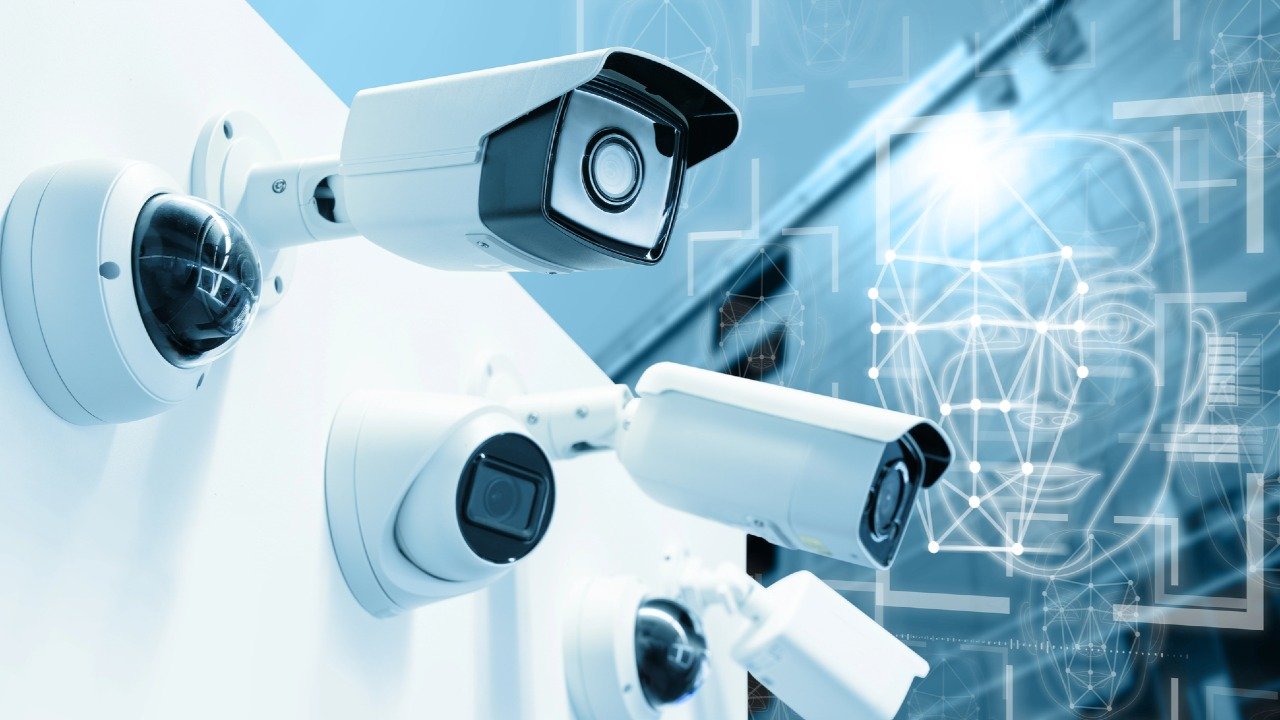
Choosing the right Security Camera System Tempe AZ homeowners can rely on begins with understanding the available equipment and its features. Security cameras come in several styles, including indoor cameras, outdoor cameras, wired systems, wireless models, and cameras with night vision. Some provide motion detection, two-way audio, remote viewing, or high-definition recording. The best option depends on the property’s layout, monitoring goals, lighting conditions, and preferred storage method. Comparing these features helps homeowners select equipment that supports their daily security needs without adding unnecessary complexity.
Identifying Important Areas to Monitor
A useful surveillance plan begins with identifying the locations that matter most. Front doors, back entrances, garages, side gates, and accessible ground-floor windows are common areas to consider. Driveways and outdoor gathering spaces may also benefit from camera coverage. Before installation, walk around the property and look for areas with limited visibility or possible blind spots. Camera placement should provide useful views while respecting the privacy of neighbors and visitors. A well-planned layout can help make monitoring more effective without requiring cameras in every corner.
Why Professional Installation Makes a Difference
Camera quality is only one part of a successful surveillance setup. Placement, wiring, network connectivity, power supply, and configuration all influence how reliably a system operates. Incorrect positioning may leave important areas uncovered, while poor connections can interrupt recording or remote access. Working with Home Security Systems professionals can help homeowners evaluate their property and determine an appropriate setup. Professional installation may also include configuring mobile applications, testing camera angles, connecting recording equipment, and explaining how to use the system’s main features.
Wired and Wireless Camera Systems
Wired and wireless surveillance systems offer different advantages. Wired cameras can provide stable connections and may be suitable for properties where permanent installation is preferred. However, installation may require cable routing through walls, ceilings, or other building areas. Wireless cameras can offer more flexibility in placement and may be easier to install in certain locations, although they still depend on reliable connectivity and an appropriate power source. Some models use rechargeable batteries, while others require continuous electrical power. Reviewing these practical differences can help property owners choose a system that fits their building and expectations.
Making Remote Monitoring More Convenient
Many modern security cameras allow homeowners to view live footage through a smartphone, tablet, or computer. Remote access can be particularly useful when traveling, working away from home, or checking on a property during the day. Depending on the equipment, users may receive motion alerts, review recorded clips, or communicate through cameras with two-way audio. These features can make surveillance more convenient, but they should be configured carefully. Strong passwords, secure network settings, software updates, and appropriate account permissions help protect access to camera feeds.
The Value of Motion Detection and Night Vision
Motion detection can help reduce the time spent reviewing footage by identifying activity within selected camera areas. Some systems allow users to adjust detection sensitivity or create activity zones to limit unnecessary alerts. Night vision is another important feature, particularly for outdoor cameras monitoring entrances and poorly lit spaces. Infrared technology can capture images in low-light conditions, while certain models use additional lighting for nighttime visibility. Homeowners should compare the camera’s nighttime performance and detection capabilities before choosing equipment for areas that require after-dark monitoring.
Maintaining Your Security Equipment
Routine maintenance helps keep surveillance equipment operating as expected. Outdoor cameras may collect dust, pollen, moisture, and debris that interfere with image clarity. Cleaning camera lenses carefully, checking mounting brackets, and inspecting exposed cables can help identify common issues. Homeowners should also review storage capacity, confirm that recording schedules are active, and test mobile notifications periodically. Firmware and application updates should be installed when available. If a camera repeatedly disconnects, stops recording, or produces unclear footage, a professional inspection may help identify the underlying cause.
Choosing a System That Fits Your Property
The right security setup should reflect the property’s size, layout, and specific monitoring priorities. A smaller home may need only a few strategically positioned cameras, while a larger property could require additional coverage and recording capacity. Storage options, video resolution, weather resistance, and compatibility with existing smart-home devices are also worth considering. Rather than selecting equipment based solely on price, homeowners should compare practical features and long-term usability. A properly matched system can provide useful coverage without making everyday operation unnecessarily complicated.
Making Home Security Part of Everyday Life
A dependable surveillance system can support a more informed approach to residential security. Careful equipment selection, thoughtful camera placement, secure configuration, and regular maintenance all contribute to better monitoring. Homeowners should also remember that cameras work best alongside other protective measures, such as quality locks, exterior lighting, and secure entry points. By evaluating their needs and maintaining their equipment, property owners can create a practical security setup that supports greater awareness and confidence at home.
 feary.provider
 anshu.kumar
 thryve.clinic