
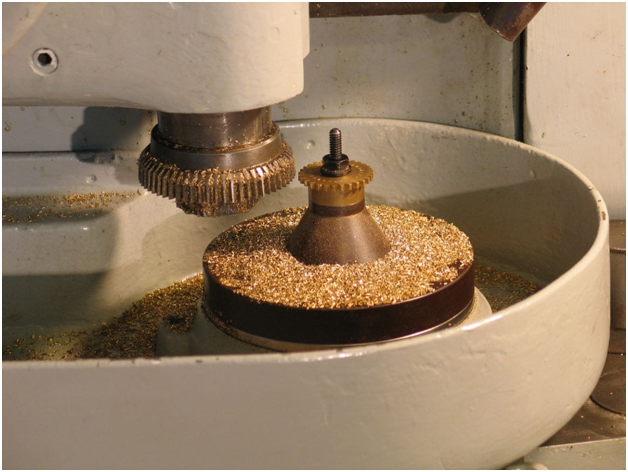
Gear manufacturing requires precision at every stage. From forming the initial tooth profile to achieving a smooth and accurate finish, each operation contributes to the overall performance of a gear. Manufacturers working with automotive components, industrial machinery, and power transmission systems need reliable tooling to maintain consistent quality.
Among the important solutions used in gear production are shaping and finishing tools. These tools help manufacturers achieve the required tooth geometry, improve surface quality, and maintain accuracy across different production applications.
Understanding the Importance of Gear Shaping
Gear shaping is a machining process used to produce gear teeth through a controlled cutting operation. It is particularly useful when manufacturing internal and external gears, including components with specific design requirements.
The process involves a reciprocating cutter that gradually removes material from the gear blank to create the required tooth profile. Proper tool selection and machine settings are important for achieving accurate results.
High quality shaping cutters help manufacturers maintain consistent tooth dimensions while supporting different gear production requirements. Their selection depends on factors such as gear material, module, pressure angle, and the required tooth configuration.
How Shaving Improves Gear Quality
After the initial gear cutting operation, some applications require additional finishing to improve the tooth surface and dimensional accuracy. Gear shaving is one process used for this purpose.
A shaving cutter works with the gear through a controlled meshing action. Small amounts of material are removed from the tooth surface, helping correct minor profile variations and improve the overall finish.
This process is commonly used in gear manufacturing where smooth operation, reduced noise, and consistent tooth contact are important. The final result depends on the gear design, cutting conditions, and suitability of the finishing tool.
Factors to Consider When Selecting Gear Cutting Tools
Choosing the right tooling solution is essential for maintaining production quality. Different gear designs and manufacturing conditions require different tool specifications.
Here are some important considerations:
Gear Specifications: Module, pressure angle, tooth count, and gear dimensions should be considered before selecting a suitable tool.
Material Type: The material being machined influences tool selection, cutting conditions, and expected tool performance.
Production Requirements: Manufacturers should consider production volume, machining time, and the level of accuracy required for the finished component.
Surface Finish: Applications requiring smoother tooth surfaces may need an appropriate finishing process.
Machine Compatibility: Tool dimensions and specifications should match the machine and the intended machining operation.
Considering these factors helps manufacturers make informed decisions and maintain consistent production standards.
The Role of Proper Tooling in Manufacturing Efficiency
Efficient gear production depends on more than the cutting process itself. Machine condition, operator experience, cutting parameters, and tool maintenance also influence the final outcome.
Using a suitable shaving cutter can help achieve the required surface finish when the application and machining conditions are appropriate. Similarly, regular inspection of cutting edges helps identify wear and maintain dependable performance.
Manufacturers should also follow recommended operating conditions and maintenance practices. These steps can help reduce unnecessary downtime, maintain product quality, and support better control over production costs.
Choosing the Right Tooling Partner
Finding a reliable tooling supplier is an important consideration for businesses involved in gear manufacturing. Product specifications, manufacturing standards, technical knowledge, and application support should all be considered when evaluating available options.
S.S. Tools provides a platform where industrial buyers can explore its tooling range and learn more about available solutions. Visiting the official website can help manufacturers understand the company’s offerings and identify products relevant to their machining requirements.
A suitable tooling partner can make the selection process easier by helping buyers understand product specifications and application requirements.
Final Thoughts
Consistent gear quality depends on accurate machining, suitable tooling, and proper finishing methods. Understanding the differences between gear cutting and finishing operations helps manufacturers choose the right approach for their production needs.
By selecting appropriate shaping and finishing solutions, businesses can work towards improved tooth accuracy, smoother surfaces, and dependable manufacturing results. Careful tool selection and regular maintenance remain essential for achieving consistent quality in modern gear production.
 Boxo Packaging
 mona.sharma
 pavani.choubey