
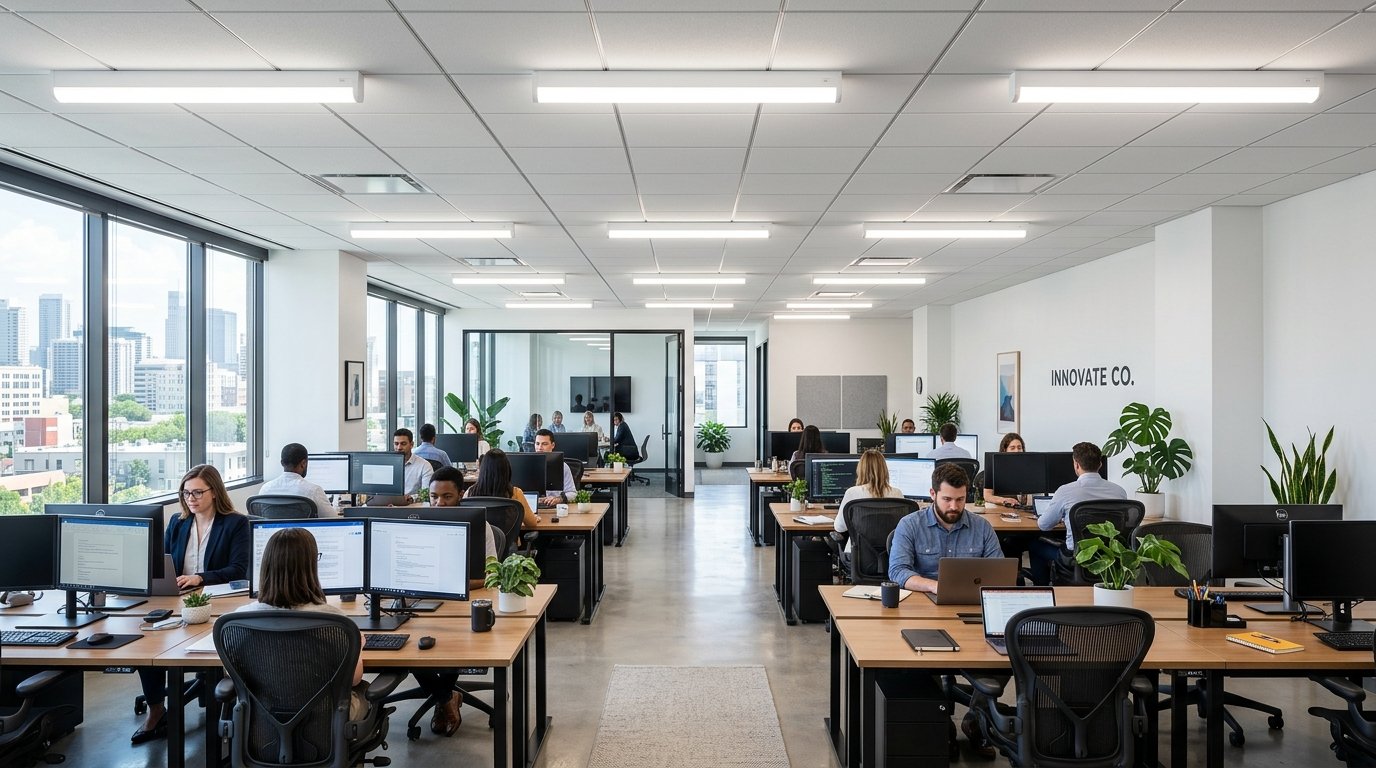
LED technology has transformed the way homes, businesses, and industries approach lighting. Known for its energy efficiency, reliable performance, and flexible applications, LED lighting has become a popular alternative to traditional lighting systems. From residential interiors to large commercial facilities, LED products offer practical solutions for different lighting needs.
What Is LED Technology?
LED stands for Light Emitting Diode. It is an electronic component that produces light when an electrical current passes through it. Unlike traditional incandescent bulbs, LEDs do not rely on heated filaments to generate illumination.
This technology helps reduce electricity consumption while providing effective lighting. LEDs are available in various shapes, brightness levels, and color temperatures, making them suitable for different environments.
Benefits of Using LED Products
LED products offer several advantages that make them suitable for everyday lighting requirements.
Energy Efficiency
LEDs consume less electricity than many conventional lighting technologies. This makes them a useful option for households and businesses looking to manage energy expenses.
Extended Lifespan
Many quality LED products are designed to operate for thousands of hours. Their longer operating life can reduce replacement frequency and maintenance requirements.
Better Lighting Control
LED technology supports different brightness levels, color temperatures, dimming options, and smart controls. Users can select lighting according to their preferences and requirements.
Environmentally Considerate Lighting
LEDs generally consume less energy and do not contain mercury, unlike some traditional fluorescent lamps. Their longer lifespan can also reduce lighting waste.
Common Types of LED Lighting
Different LED products serve different purposes. Understanding their applications helps users make better purchasing decisions.
LED Bulbs
LED bulbs are commonly used in homes, offices, shops, and other indoor spaces. They are available in different wattages and color temperatures.
LED Strip Lights
LED strip lights provide flexible lighting for decorative and functional applications. They are frequently installed under cabinets, along ceilings, and around display areas.
LED Panel Lights
Panel lights provide uniform illumination and are widely used in offices, classrooms, hospitals, and commercial interiors.
LED Flood Lights
Flood lights are designed to illuminate outdoor areas such as parking facilities, gardens, building exteriors, and sports grounds.
LED Street Lights
LED street lights are used for roads, highways, residential streets, and public spaces. Their efficient operation makes them a popular option for outdoor infrastructure projects.
Applications of LED Lighting
LED technology is used across several industries and environments.
In residential properties, LEDs provide lighting for bedrooms, kitchens, bathrooms, and outdoor areas. Commercial buildings use them in offices, retail stores, restaurants, and shopping centers.
Industrial facilities also benefit from specialized LED fixtures designed for warehouses, manufacturing units, workshops, and storage facilities.
Outdoor applications include parking lots, streets, building entrances, security areas, and recreational facilities.
How to Select the Right LED Product
Choosing the right LED requires more than checking its wattage. Consider the following factors before making a purchase:
- Brightness: Check the lumen rating to understand how much light a product produces.
- Color Temperature: Select warm white, cool white, or daylight according to the environment.
- Energy Consumption: Compare wattage and lighting output to evaluate efficiency.
- Product Quality: Check materials, driver specifications, and manufacturer information.
- Installation Requirements: Consider fixture compatibility, mounting options, and available space.
- Outdoor Protection: Review IP ratings when selecting products for exposed environments.
Smart LED Lighting Solutions
Smart LED products allow users to manage lighting through mobile applications, compatible switches, and automation systems. Depending on the product, users can adjust brightness, change colors, schedule operation, and control lights remotely.
These features are useful for modern homes, offices, hotels, and commercial buildings where flexible lighting control is important.
Conclusion
LED technology continues to shape modern lighting through energy efficiency, flexible designs, and improved lighting control. Whether selecting bulbs for a home or installing specialized fixtures in a commercial facility, LEDs provide a wide range of solutions.
Understanding different LED products, their specifications, and their intended applications helps buyers make informed decisions and choose lighting systems that meet their requirements.
 hafla.rental
 titik.terang
 impact.digitizing