
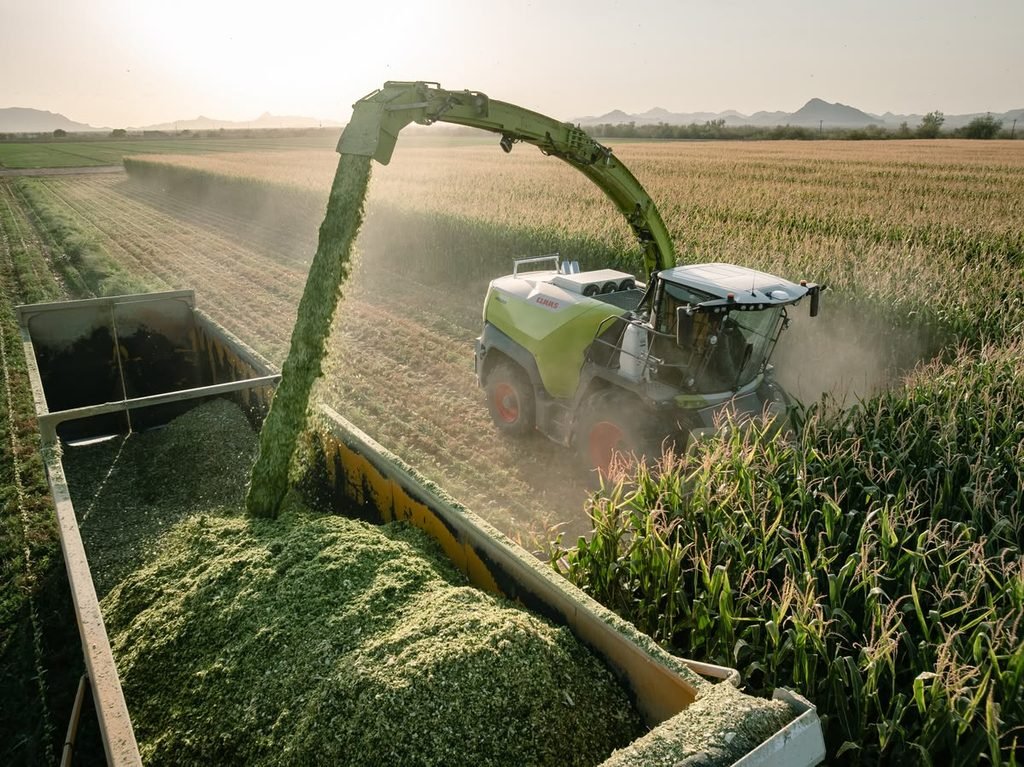
Agricultural machinery plays a key role in field preparation, harvesting, transport and general farming processes. To reduce costly interruptions, unexpected failures of tractors, combines, generators and other diesel-driven equipment should be avoided. However, due to the potential effect of diesel quality on engine performance, this can present problems. Diesel within agricultural equipment can degrade over time. Microbial growth, water contamination, oxidation and poor cold flow properties can occur. This can cause problems with fuel delivery, reduced engine performance and more maintenance.
Correctly choosing the right additives can improve fuel quality, protect key parts of your equipment from damage and reduce issues. Understanding what types of additives are available can allow for smart choices to be made to ensure correct fuel storage and maintenance of machinery.
Combating Microbial Growth and Diesel Bug in Long-Term Bulk Farm Storage

Large amounts of diesel fuel can be stored on site. This means that machinery can be fuelled when required, with less regular deliveries needed at busy times of the year.
However, long-term bulk farm fuel storage also introduces the risk of microbial contamination, commonly known as diesel bug.
Diesel bug refers to bacteria, yeasts, and fungi that can grow where water is present in fuel storage systems. These microorganisms can form sludge and deposits that block filters, restrict fuel flow, and contribute to corrosion.
Indications of fuel microbiological contamination may include clogged filters, abnormal particulate matter, poor engine performance and frequent maintenance issues. Fuel biocides may be used to control microbial contamination. However, not all contamination problems can be overcome with additive use.
Effective prevention also involves:
- Regularly checking storage tanks for water and sediment.
- Maintaining clean, properly sealed storage systems.
- Removing accumulated water where necessary.
- Inspecting and replacing fuel filters.
- Testing contaminated fuel before selecting a treatment.
Working with an experienced agricultural diesel supplier can help farmers identify suitable fuel treatments and establish better storage practices.
Maintaining clean fuel is particularly important during harvesting, when machinery downtime can affect productivity.
Preventing Waxing and Cold-Weather Gelling During Harsh British Winters

Winters in the UK can pose additional problems for farms using diesel-powered machinery. As temperatures decrease, waxes in the diesel will begin to solidify. If temperatures become cold enough, solidification of waxes will cause blockages in filters and reduce the flow of fuel. This issue, often called gelling or waxing of diesel, can cause poor starting characteristics, poor performance and engine failure. On farms in colder regions, this can cause problems in feeding livestock and transporting them, along with other farm operations. Cold flow improvers can be added to diesel to change the formation of wax crystals, therefore allowing suitable diesel to pass through filters at lower temperatures.
However, these additives are most effective when introduced before the fuel has already become excessively cold or waxed. They should also be appropriate for the specific fuel grade.
Farmers can reduce cold-weather problems by purchasing suitable winter-grade diesel, maintaining clean filters, and protecting storage systems from unnecessary exposure.
They may be able to advise you on what grade of fuel and any seasonal additives are suitable. As agricultural diesel and industrial heating oil are used for different purposes, additives suitable for one may not be suitable for the other. Preparing your fuel in advance of winter can help to avoid unnecessary disruption.
Cleaning High-Pressure Injectors to Restore Lost Horsepower and Fuel Economy

Modern agricultural diesel engines make use of high-pressure precision fuel injection systems to provide the necessary power for demanding work, whilst maintaining good fuel economy. Over time, deposits may form on the injectors. This may affect the quality of the fuel spray and therefore affect engine efficiency. If the injectors become blocked or dirty, poor performance and fuel economy may be observed in the machinery. Alternatively, the machinery may struggle to maintain power under load. Some diesel fuel additives include cleaning agents to clean deposits and prevent new deposits from forming.
Using an additive may improve engine performance and give more consistent performance. It can improve injector cleanliness and improve fuel economy. Additives will not improve worn injectors, faulty pumps or mechanical problems. If poor performance persists after using this fuel, it is important to get it looked at by a professional. Farmers should refer to the equipment manufacturers’ guidance on what additive to use, particularly with modern high-pressure common rail systems.
Maintaining clean injectors through suitable fuel treatment and regular servicing can help agricultural engines deliver more dependable performance.
Reducing Carbon Buildup and Protecting Modern Exhaust After-Treatment Systems
Agricultural engines have become increasingly sophisticated as manufacturers introduce technologies designed to improve efficiency and control exhaust emissions.
Many modern machines use systems such as diesel particulate filters (DPFs), exhaust gas recirculation (EGR), and selective catalytic reduction (SCR), depending on their engine specifications.
Correct maintenance and fuel quality are required. Poor fuel combustion and build-up of deposits in the injectors may cause increased soot formation. This can cause an increased demand on emission control systems. In order to keep injectors clean, detergents can be added to fuel. However, not all additives are suitable for use in modern agricultural machinery. If additives contain unsuitable metal compounds or other incorrect ingredients, problems may occur within emission control components. Farmers should therefore choose additives that are approved or recommended for their engine type, and add the correct amount as recommended by the manufacturer.
Note: Fuel treatment does not eliminate the need for regeneration of DPF’s, AdBlue requirements or servicing. Choosing the correct fuel treatment can help improve fuel system cleanliness, but a more comprehensive machine care program is required to protect exhaust after-treatment systems.
Stabilising Stored Red Diesel Across Quiet Off-Peak Seasons

Demand for fuel in agriculture can vary. Large amounts of diesel may be used during harvest and sowing periods. In periods of less activity, however, the fuel demand can drop significantly, therefore increasing the time the fuel resides in storage. Prolonged storage can cause issues with the fuel quality. This can be caused by water, air, contamination, or inappropriate storage conditions entering the fuel.
Over time, oxidation and degradation may contribute to deposits, sediment formation, and reduced fuel stability.
Fuel stabilisers and antioxidants are formulated to slow certain degradation processes and help maintain stored fuel quality.
These treatments can be useful for farms holding red diesel between periods of intensive machinery use, provided they are compatible with the fuel and storage requirements.
Farmers should also consider how much fuel they realistically need to store.
Buying excessive quantities may appear convenient, but poor stock rotation can increase the likelihood of storage-related problems.
A reliable agricultural diesel supplier can help businesses plan deliveries around seasonal consumption and advise on appropriate fuel management.
Farm operators who also work with a domestic oil supplier for property heating should keep fuel requirements separate. Similarly, when comparing domestic oil suppliers, it is important to confirm that the products and services offered are appropriate for their intended use.
Good storage management, suitable additives, and regular fuel inspections can help maintain dependable fuel supplies throughout the year.
Cutting Maintenance Costs and Extending the Working Life of Hard-Worked Machinery
Having reliable equipment on your farm is key to managing running costs. Unexpected problems within a piece of equipment can cause expensive repair and replacement costs, along with labour and downtime. Problems with the fuel system (contamination, clogged filters and deposits in injectors) can cause these costs. However, using appropriate agricultural fuel additives as part of a preventive maintenance strategy may help to reduce some of these risks.
For example, detergents can support injector cleanliness, cold-flow improvers can help address seasonal filterability problems, and appropriate stabilisers can assist with fuel storage.
However, additives should not be used as a replacement for appropriate maintenance. Filter changes, clean fuel, removing water and engine maintenance should be undertaken. It is important to consider the cost/benefit of using additives in machines. Additional treatment may not be necessary in all machines/fuel supplies, particularly if the fuel already contains an appropriate package of additives. Using reliable suppliers and following manufacturers’ guidelines will prevent unnecessary costs and inappropriate additives being used. If fuel quality, storage and maintenance procedures are performed correctly, the risk of avoidable interruptions to operations is reduced, and equipment will have an extended working life.
Conclusion

In order to ensure reliable performance from agricultural machinery, using the correct fuel additives can be very beneficial. Using the correct fuel additive to control microbial build-up, reduce wax formation during cold months, ensure clean injectors and protect stored red diesel can make a real difference. However, to ensure maximum benefit is gained from using fuel additives, it is important to select the correct product, apply the correct dosage and store appropriately. By working with a reputable fuel supplier and taking a proactive approach to maintenance, farms using diesel-powered machinery can reduce downtime and increase reliability. By investing in correct fuel management, agricultural machinery can run efficiently.
 shumaila.batool
 sammer.abbas