
Choosing the right PVC film manufacturer involves more than comparing prices or checking product availability. Businesses need to understand material requirements, application conditions, film specifications and manufacturing capabilities before selecting a supplier. PVC films are used across automotive interiors, healthcare products, household applications, packaging and decorative surfaces. However, not every film is suitable for every purpose. When comparing PVC Film Manufacturers in India, buyers should evaluate product consistency, processing technology, customisation options and quality assurance. A well-informed selection can help businesses achieve reliable performance, reduce material waste and maintain consistent production standards.
Why Are PVC Film Manufacturers in India Important Today?
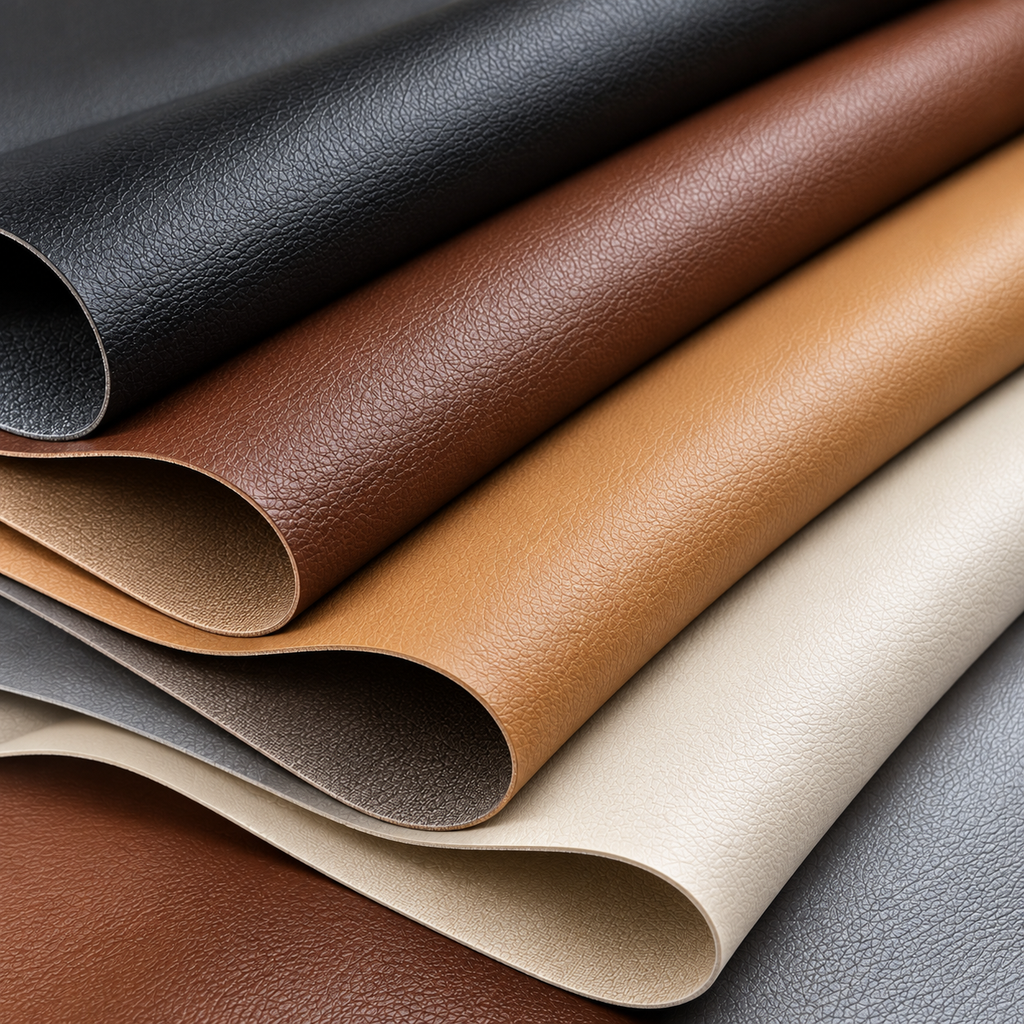
PVC film manufacturers in India are important because they supply versatile plastic films and sheets used in automotive interiors, healthcare, household products, decoration and industrial applications. Their manufacturing capabilities help businesses source materials with application-specific thickness, surface finishes and performance characteristics.
Polyvinyl Chloride (PVC) is a widely used thermoplastic material that can be processed into flexible and rigid forms. Its adaptability makes it suitable for products that require different levels of flexibility, surface appearance, durability and ease of fabrication.
Demand for application-specific plastic films is influenced by changing product designs, manufacturing requirements and the need for materials that can be processed efficiently. Automotive manufacturers, interior product businesses and healthcare suppliers may require different film properties, even when they use the same base polymer.
Manufacturing technology also plays an important role. Processes such as calendaring, coating, printing, lamination and embossing allow manufacturers to develop films with different textures, designs and surface characteristics. The right process depends on the intended end use rather than a single universal specification.
Who Benefits Most From PVC Film Manufacturing?
PVC films serve several industries, but their requirements differ according to the product being manufactured.
Automotive Manufacturers
Automotive businesses use PVC films and sheeting for selected interior applications. They may prioritise surface appearance, flexibility, cleanability and compatibility with other components. Material specifications should be evaluated according to the vehicle’s design and performance requirements.
Interior and Furniture Businesses
Interior product manufacturers may use decorative plastic film, PVC laminates and printed sheeting for surface applications. Colour consistency, texture, finish and resistance to everyday handling are important selection factors.
Healthcare Product Manufacturers
Healthcare applications can require specific material properties, depending on the product and its intended use. Buyers should verify relevant safety, hygiene and regulatory requirements instead of assuming that every PVC film is suitable for medical or healthcare environments.
Packaging and Industrial Businesses
Packaging companies and industrial buyers may explore PVC packaging solutions, transparent films or specialised plastic film rolls. They should consider the required clarity, flexibility, sealing or fabrication compatibility and storage conditions.
Top Benefits of Choosing the Right PVC Film Manufacturer
Selecting a suitable PVC Film Supplier in India can support several areas of business operations.
1. Application-Specific Material Selection
PVC is available in different formulations and forms. Flexible PVC films may be suitable for applications requiring bending or conformability, while rigid PVC sheets are generally considered for applications requiring greater structural stiffness.
2. Consistent Product Quality
Consistent thickness, surface finish, colour and physical properties help manufacturers maintain predictable production processes. Buyers should ask how product batches are inspected and documented.
3. Design and Surface Customisation
Printing, embossing and lamination can create different visual and functional finishes. These capabilities are useful for businesses that need customised decorative plastic film or printed sheeting.
4. Better Production Compatibility
A film should work with the buyer’s existing machinery and manufacturing process. Checking processing temperature, thickness tolerance, roll dimensions and handling requirements can help reduce production interruptions.
5. Long-Term Supply Planning
Working with a manufacturer that understands recurring production requirements can make material planning easier. Buyers should discuss minimum order quantities, lead times, repeat-order consistency and delivery arrangements before finalising a supply agreement.
Expert Insights and Emerging Trends in PVC Film Manufacturing
The PVC film industry continues to evolve as manufacturers respond to changing design expectations and application requirements. Several developments deserve attention.
Advanced calendaring and coating: Manufacturing processes such as PVC calendaring help control film thickness and surface characteristics. Coating technology can also support specialised finishes and application-specific constructions.
Printing and embossing: Printed and embossed films allow manufacturers to create decorative patterns, textures and product-specific appearances. These techniques are relevant to automotive interiors, furniture-related applications and general household products.
Customised film development: Buyers increasingly need materials designed around particular production requirements rather than relying only on standard film specifications. This makes technical discussions between manufacturers and customers important.
Quality testing and process control: In-house testing facilities and structured quality checks can help manufacturers assess product consistency and support development work. Buyers should still review the actual test methods and documentation relevant to their application.
For example, the manufacturing capabilities described by Premier Polyfilm Ltd include coating, calendaring, printing, lamination, embossing and in-house testing. Its product information identifies PVC films and printed sheeting for automotive, interior, healthcare and general household applications.
How Does PVC Film Compare With Alternative Materials?
The best material depends on the product’s design, operating conditions and manufacturing process. PVC should not automatically be considered the right choice for every application.
PVC Film
PVC film is suitable for a wide range of applications because its formulation and processing can be adapted to different requirements. It is used in automotive interiors, decorative surfaces, household products and selected industrial applications.
PET Film
PET film is often considered where dimensional stability, clarity or particular mechanical properties are important. It may be appropriate for packaging, printing and electrical applications, depending on its grade and specification.
PE Film
Polyethylene film is commonly used in packaging, protective wrapping and applications requiring flexibility. Its suitability depends on factors such as strength, thickness, transparency and processing requirements.
PP Film
Polypropylene film is used in packaging, labelling and other applications where its stiffness, clarity or moisture-related properties are beneficial. The appropriate grade depends on the intended use.
A useful comparison should consider total application performance, processing compatibility, regulatory requirements and cost over the product lifecycle—not simply the material price per kilogram.
Best Practices for Better PVC Film Procurement
A structured procurement process can help businesses avoid unsuitable material selection and unnecessary production costs.
- Define the end use: Identify whether the film is intended for automotive interiors, healthcare products, decoration, packaging or another application.
- Prepare a specification sheet: Mention thickness, width, roll length, colour, finish, flexibility and other essential requirements.
- Discuss manufacturing processes: Ask whether calendaring, coating, printing, lamination or embossing is needed for the desired product.
- Request samples: Test the film for appearance, handling, fabrication and compatibility with your equipment.
- Verify quality documentation: Review available test reports, quality certifications and application-specific compliance documents.
- Evaluate supply capacity: Discuss order quantities, production schedules, delivery timelines and repeat-order consistency.
- Review storage and handling: Follow supplier guidance on temperature, stacking, packaging and storage conditions to help preserve film quality.
For specialised applications, involve your technical or quality team before approving a material. Requirements for healthcare, automotive or other regulated environments may involve specific testing and compliance checks.
Frequently Asked Questions
1. What do PVC film manufacturers in India produce?
PVC film manufacturers produce plastic films and sheets made from Polyvinyl Chloride. Depending on their manufacturing capabilities, product categories may include flexible films, rigid sheets, printed sheeting, decorative films, laminated materials and application-specific industrial films.
2. What is the difference between flexible PVC film and rigid PVC film?
Flexible PVC film contains formulation components that make it more pliable, allowing it to bend or conform to surfaces. Rigid PVC material is designed to maintain greater stiffness and shape. The correct choice depends on the product design, fabrication method and required performance.
3. What industries use PVC films?
PVC films are used in automotive interiors, furniture and decoration, healthcare-related products, household applications, packaging and selected industrial sectors. Each industry may require different thicknesses, finishes, formulations and quality checks.
4. How do I choose a reliable PVC film supplier in India?
Compare the supplier’s product range, manufacturing processes, technical capabilities, quality-control procedures and ability to meet your specifications. Request samples, review documentation and discuss production capacity and delivery schedules before placing a bulk order.
5. What is the PVC calendaring process?
PVC calendaring is a manufacturing process in which processed PVC material passes through a series of heated rollers to form a continuous film or sheet. Roller settings and processing conditions help control thickness, surface finish and other product characteristics.
6. Can PVC films be customised?
Yes, PVC films can be developed with different thicknesses, colours, surface finishes and designs, depending on the manufacturer’s capabilities. Processes such as printing, embossing, coating and lamination may be used to achieve specific product requirements.
7. What factors affect the quality of PVC film rolls?
Important factors include raw material formulation, thickness consistency, surface finish, processing conditions, storage and quality control. The required properties also depend on the intended application, so buyers should assess samples against their own technical specifications.
8. Are PVC films suitable for packaging applications?
Some PVC film grades are used in packaging-related applications, but suitability depends on the product, intended use and applicable regulations. Buyers should confirm material compatibility, safety requirements and relevant test documentation before selecting a film for packaging.
9. What should buyers check before ordering PVC film in bulk?
Buyers should confirm the material grade, thickness, width, roll dimensions, colour, finish, tolerance requirements, sample performance, quality documents, minimum order quantity and delivery schedule. Written specifications help reduce misunderstandings during repeat orders.
Conclusion
Selecting the right PVC Film Manufacturers in India requires a clear understanding of material properties, end-use requirements and manufacturing capabilities. Buyers should compare flexible and rigid options, review surface finishes, evaluate production compatibility and verify quality documentation before making a decision. A suitable PVC Film Supplier in India should be able to discuss technical specifications, samples, customisation and consistent supply rather than focusing only on price. Businesses researching PVC film applications can also explore the product and manufacturing information shared by Premier Polyfilm Ltd to understand available PVC film and sheeting categories. Careful evaluation helps support better material selection and more dependable manufacturing outcomes.
 thryve.clinic
 feary.provider
 elia.smith