
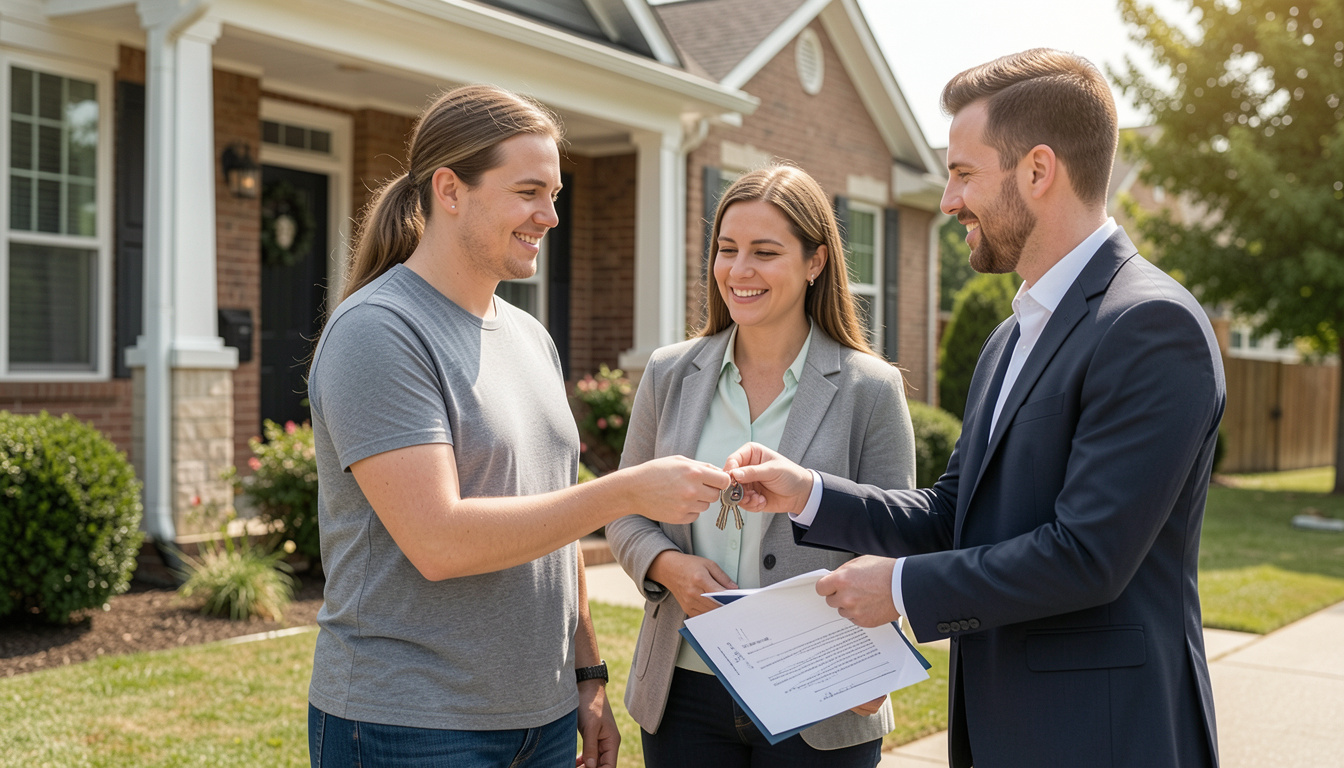
Buying your first home is one of the most exciting and significant milestones in life. It is also one of the most complex financial decisions you will ever make. From saving for a down payment and getting pre-approved to making an offer and closing the deal, the home buying process involves dozens of steps, important decisions, and potential pitfalls. This complete step-by-step guide on how to buy your first home will walk you through every stage of the process so you can approach homeownership with confidence, clarity, and the knowledge to protect your investment.
1. Assess Your Financial Health Before You Start
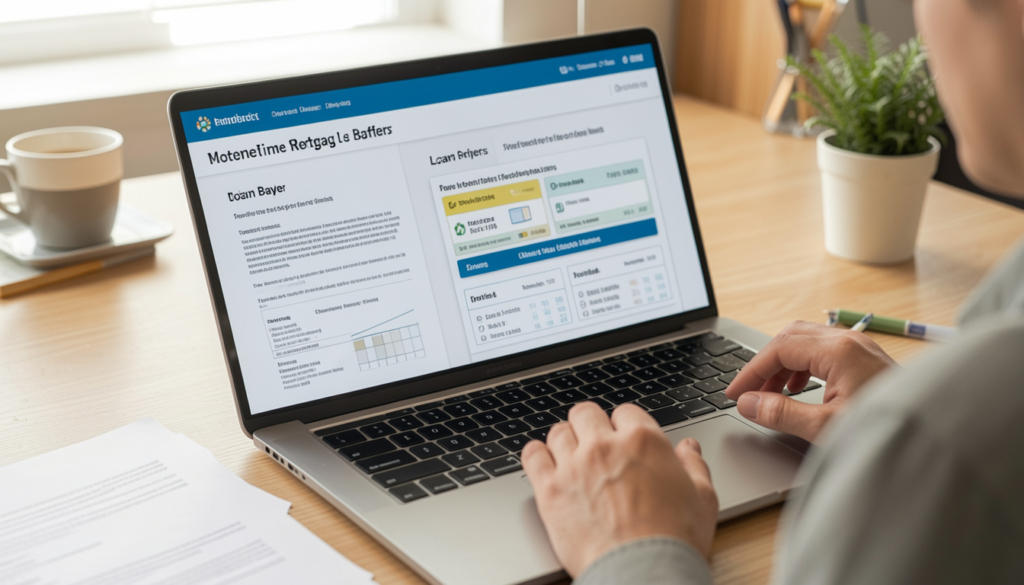
The first step in how to buy your first home is taking an honest, detailed look at your finances. Review your credit reports from all three bureaus — Equifax, Experian, and TransUnion — and dispute any errors you find. Your credit score directly determines the mortgage rates available to you. Calculate your net monthly income and create a realistic budget that accounts for all current expenses plus the added costs of homeownership, including property taxes, insurance, utilities, and maintenance. Determine how much you have saved for a down payment and closing costs. Most conventional loans require 3 to 20 percent of the purchase price as a down payment, while FHA loans allow as little as 3.5 percent. Closing costs typically add another 2 to 5 percent of the loan amount.
2. Get Mortgage Pre-Approval Before House Hunting
Before you fall in love with a home you cannot afford, get pre-approved for a mortgage. Contact at least two to three lenders — including banks, credit unions, and online mortgage companies — to compare rates and terms. Submit your complete financial documentation including tax returns, pay stubs, W-2s, and bank statements. A pre-approval letter tells you exactly how much you can borrow and shows sellers you are a serious buyer. This letter is often required before agents will even schedule showings in competitive markets. Remember that being pre-approved for a certain amount does not mean you should spend that full amount — leave financial breathing room for the realities of homeownership.
3. Define Your Homebuying Priorities and Non-Negotiables
Clarifying exactly what you want and need in a home before you start searching will save you enormous time and emotional energy. Create two lists: your must-haves and your nice-to-haves. Must-haves might include the number of bedrooms, proximity to work or schools, a specific school district, or a garage. Nice-to-haves might be a finished basement, updated kitchen, or home office. Also think carefully about location priorities — walkability, commute time, neighborhood character, access to amenities, and long-term growth potential. Discuss your priorities with your real estate agent so they can filter listings effectively. Understand from the beginning that you will likely not find a home that meets every single criterion, and know in advance which features you are willing to compromise on.
4. Choose the Right Real Estate Agent
Selecting the right buyer’s agent is one of the most important decisions you will make as a first-time homebuyer. A great agent will save you time, protect your interests, and guide you through the complexities of contracts, inspections, and negotiations. Look for an agent with strong local market knowledge, experience working with first-time buyers, and a track record of successful closings in your target area. Ask for references and check online reviews on Google, Zillow, and Realtor.com. Your agent should be a skilled communicator who is responsive, proactive, and willing to educate you throughout the process. In most cases, the seller pays the buyer’s agent commission, so you typically receive expert professional representation at no direct cost to you.
5. Start Your Home Search Strategically
With your pre-approval in hand and your agent by your side, you are ready to start searching for your first home. Set up automated MLS alerts with your agent so new listings appear in your inbox the moment they go live. Attend open houses even for homes that are slightly outside your ideal criteria — this builds your understanding of market value and what your budget actually gets you in different neighborhoods. When visiting homes, look beyond cosmetics. Fresh paint and staging can distract from structural issues, while an outdated kitchen in an otherwise solid home is often an opportunity to add value. Pay attention to natural light, room proportions, storage space, the condition of major systems like HVAC, roof, and plumbing, and the overall neighborhood quality.

6. Making a Strong Offer on Your First Home
When you find the right home, act decisively. In most markets, well-priced homes still move quickly and attract multiple offers. Your agent will prepare a competitive purchase offer based on comparable sales, the home’s condition, days on market, and current competition. The offer will include the purchase price, earnest money deposit (typically 1 to 3 percent of purchase price), contingencies for financing and inspection, and a proposed closing date. Your agent may recommend an escalation clause in competitive situations, which automatically increases your offer in increments up to a set maximum if competing offers are received. Always include a financing contingency to protect your earnest money if your loan falls through, and an inspection contingency to allow you to negotiate repairs or back out based on inspection findings.
After your offer is accepted, the due diligence period begins. Hire a licensed home inspector to conduct a thorough evaluation of the property — this typically costs $300 to $600 and is worth every dollar. The inspection report will detail any issues from minor maintenance items to major structural, electrical, or plumbing problems. Use the findings to negotiate repairs, a price reduction, or a seller credit at closing. Your lender will also order an appraisal to confirm the home’s value supports the loan amount. If the appraisal comes in below the purchase price, you will need to negotiate with the seller, make up the difference in cash, or walk away using your appraisal contingency. Stay in close communication with your loan officer throughout this period to ensure your mortgage is progressing smoothly toward closing.
8. Closing Day: What to Expect and How to Prepare
Closing day is the final step in how to buy your first home. In the days leading up to closing, you will receive a Closing Disclosure from your lender detailing all final loan terms and closing costs. Review this document carefully and compare it to your original Loan Estimate — by law, many costs cannot change or can only change within certain limits. Arrange to wire your closing funds or bring a certified check. On closing day, you will sign a large stack of documents — the deed, mortgage note, and various disclosures — and pay your closing costs. Once all documents are signed and funds are transferred, you will receive the keys to your new home. Do a final walkthrough of the property within 24 hours before closing to ensure it is in the agreed-upon condition.

Conclusion: Learning how to buy your first home is a journey that requires preparation, patience, and the right team of professionals supporting you. By assessing your finances early, getting pre-approved, working with a trusted agent, and understanding every step from offer to closing, you can navigate the process with confidence. Your first home is not just a place to live — it is the beginning of a long-term wealth-building strategy. Take your time, ask questions, and never be afraid to request clarification at every stage. The effort you invest in understanding the process will pay dividends for years to come.