
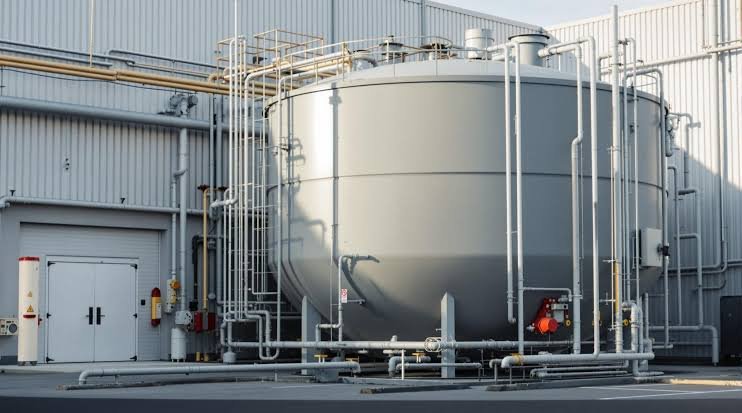
Water tanks provide essential storage for homes, farms and commercial properties. Regular inspections help maintain water quality, identify damaged components and support reliable supplies. A planned water tank maintenance schedule should consider tank size, material, water source and usage. Understanding inspection and cleaning requirements helps property owners maintain their storage systems and address potential problems promptly.
Residential Water Tank Maintenance: Checks for Household Storage
Homeowners should regularly inspect tank lids, inlet screens, outlets and visible pipe connections. Secure covers and clean screens help prevent insects, leaves and debris from entering stored water. Check surrounding areas for leaks, vegetation and standing water.
Changes in water colour, taste or smell may indicate contamination. Arrange suitable testing when concerns arise, particularly when stored water supplies drinking or cooking needs. Regular checks help maintain household water storage conditions.
Farm Water Tank Maintenance: Protecting Livestock and Irrigation Supplies
Farm tanks support livestock, irrigation and agricultural activities. Inspect tank walls, fittings and pipelines for leaks, sediment and visible damage. Regular checks help maintain water availability throughout farming operations.
Livestock troughs also require attention because soil, feed and animal waste can affect water quality. Check for algae and accumulated debris. Water quality should remain suitable for livestock and intended irrigation purposes.
Commercial Water Tank Maintenance: Keeping Business Supplies Reliable
Commercial properties depend on consistent water storage for cleaning, sanitation and daily operations. Inspect access covers, pumps, valves and supporting structures. Maintenance frequency should reflect water demand, tank capacity and applicable regulations.
Businesses should record inspections, cleaning and completed repairs. These records help identify recurring problems and plan servicing. Food businesses and premises supplying drinking water must follow relevant hygiene and water quality requirements.
How Often Should You Inspect and Clean a Water Tank?
Inspection frequency depends on tank condition, location, water source and usage. Check visible components regularly and arrange internal assessments according to identified risks and manufacturer recommendations.
Cleaning may be necessary when sediment accumulates, contamination occurs or water quality deteriorates. A suitable water tank maintenance schedule should also consider seasonal changes, environmental exposure and surrounding vegetation.
How ROV Inspections Help Identify Internal Tank Problems
Remotely operated vehicles allow trained operators to examine submerged surfaces inside suitable tanks. An ROV water tank inspection can identify visible cracks, corrosion, sediment deposits and other internal conditions requiring attention.
This technology may reduce confined-space entry during certain inspections. However, effectiveness depends on tank design, access and water clarity. Additional cleaning, repairs or assessments may still be required.
Warning Signs That Need Professional Attention
Certain changes indicate that a tank requires professional assessment. Common warning signs include:
- Persistent Leaks: Water escaping through damaged surfaces or fittings.
- Visible Cracks: Damage affecting tank integrity.
- Corrosion: Deterioration of metal components.
- Water Quality Changes: Unusual colour, odour or contamination.
Professional assessment helps determine suitable corrective measures.
Conclusion
Homes, farms and businesses benefit from maintenance schedules suited to their water storage needs. Regular inspections, timely cleaning and accurate records help maintain tank condition and reliable supplies. Professional assessments can identify internal damage and guide necessary repairs. Considering water usage, environmental exposure and tank condition allows property owners to establish practical maintenance routines and support dependable water storage over time.