
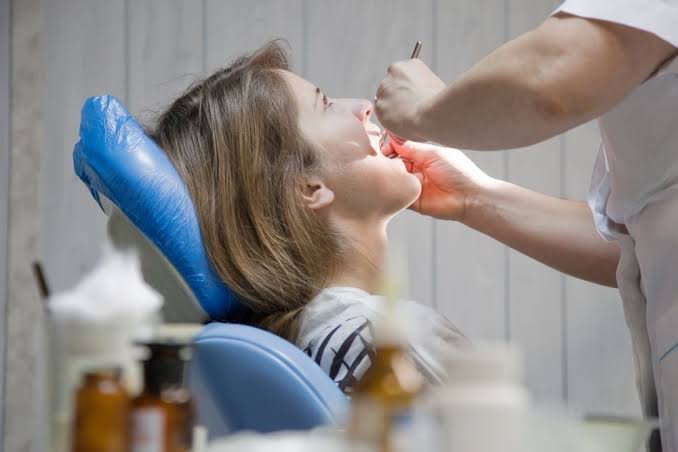
Wisdom teeth removal is a common dental procedure, but recovery requires proper care. Patients may experience swelling, discomfort and difficulty eating after surgery. Understanding the healing process helps patients prepare. An oral surgeon in Adelaide can explain the procedure and provide suitable aftercare advice. Following medical instructions, maintaining oral hygiene and choosing appropriate foods can support healing. Most patients gradually return to their normal routines as discomfort and swelling improve. Proper aftercare also helps reduce the risk of complications.
What to Expect After Wisdom Teeth Removal
Recovery varies depending on the number of teeth removed and surgical complexity. Some discomfort, swelling, bruising and mild bleeding are common after surgery. Jaw stiffness may also make eating and speaking uncomfortable.
Swelling often increases during the first few days before gradually settling. Most patients notice improvement within a week. However, the extraction site takes longer to heal fully. Following the treating surgeon’s instructions helps reduce complications and supports recovery.
Essential Tips for a Smooth Recovery
Good aftercare protects the extraction site and supports healing. Patients should follow these important precautions:
- Follow Medical Instructions: Take prescribed medicines as directed and attend recommended follow-up appointments.
- Manage Swelling: Apply cold packs externally, as your surgeon advises. Rest during the initial recovery period.
- Maintain Oral Hygiene: Brush gently and avoid disturbing the extraction site. Use warm saltwater rinses when recommended.
- Get Enough Rest: Avoid strenuous activities during the first few days.
These measures can reduce discomfort and support the body’s natural healing process.
What to Eat After Wisdom Teeth Removal
Food choices can affect comfort during recovery. Soft foods require less chewing and protect the surgical area. Suitable options include yoghurt, mashed potatoes, scrambled eggs and lukewarm soup.
Avoid hard, crunchy, spicy and very hot foods. These can irritate the extraction site. Drink enough water to stay hydrated, but avoid using straws. Suction can disturb the blood clot and increase the risk of dry socket. Gradually introduce firmer foods as chewing becomes comfortable.
Activities to Avoid During Recovery
Certain activities can interfere with healing after surgery. Avoid smoking and alcohol during the recommended recovery period. Smoking can delay healing and increase the risk of complications.
Avoid heavy exercise and strenuous physical activities initially. Do not touch the extraction site with your fingers or tongue. If you receive sedation or general anaesthesia, follow medical advice about driving and operating machinery. Resume regular activities gradually, according to your surgeon’s instructions.
When Should You Contact Your Oral Surgeon?
Some symptoms require professional attention rather than routine home care. Contact your treating team if you experience:
- Persistent or heavy bleeding.
- Severe pain that worsens instead of improving.
- Fever, pus or signs of infection.
- Difficulty swallowing or breathing.
Breathing difficulties require immediate emergency medical attention. Seek prompt advice if other symptoms become concerning.
Conclusion
Wisdom teeth removal recovery requires patience, proper aftercare and attention to healing. Eating soft foods, maintaining oral hygiene and getting enough rest support recovery. Avoid smoking, strenuous activities and anything that may disturb the extraction site. Follow your surgeon’s instructions and attend recommended follow-up appointments. An experienced oral surgeon in Adelaide can address recovery concerns and provide appropriate guidance. Every patient heals differently, so seek medical advice if symptoms worsen or recovery does not progress as expected.
 the custom.box lab