
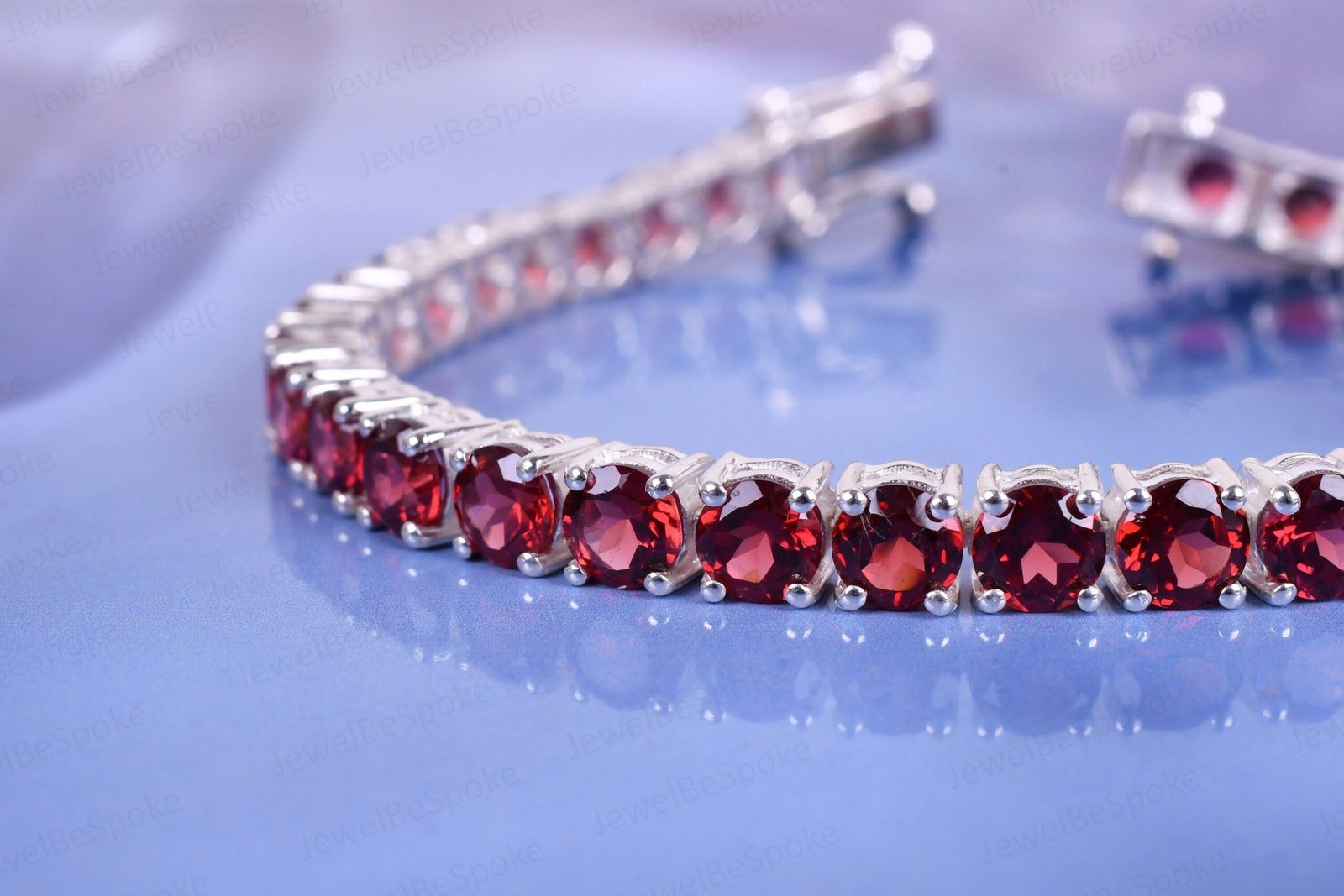
Jewellery is more than an accessory. It is a way to express personal style, celebrate special moments, and add something meaningful to everyday outfits. Ruby bracelets are a beautiful choice for anyone who appreciates rich colours, elegant designs, and gemstones with a timeless appeal. Their deep red shades create a striking appearance, while their versatility makes them suitable for both casual wear and formal occasions.
Whether you prefer a delicate bracelet with a single ruby or a detailed design featuring several gemstones, there are plenty of styles to explore. However, choosing the right piece involves more than simply finding an attractive design. Factors such as ruby quality, metal type, craftsmanship, comfort, and personal preferences should also be considered.
In this guide, we will explore different bracelet styles, explain what makes rubies special, and share practical tips to help you choose a piece that you will enjoy wearing for years.
What Makes Ruby Jewellery So Special?
Rubies have been admired for centuries because of their rich red colour and natural beauty. They belong to the corundum mineral family, the same gemstone family as sapphires. Their red colour is mainly caused by the presence of chromium within the mineral structure.
The colour of a ruby can range from pinkish red to deep red. Some particularly desirable stones display a vivid red appearance with balanced saturation.
There are several reasons why rubies remain popular in fine jewellery:
- Distinctive colour: Their red appearance adds warmth and character to jewellery designs.
- Timeless appeal: Ruby jewellery has remained fashionable across different generations.
- Durability: Rubies have a Mohs hardness rating of 9, making them suitable for regular jewellery wear with proper care.
- Versatile styling: They can be paired with gold, white gold, platinum, and other precious metals.
- Meaningful gifts: Rubies are traditionally associated with love, passion, confidence, and devotion.
These qualities make ruby jewellery an appealing option for people who want something elegant without following short-lived fashion trends.
How to Choose High-Quality Rubies
The gemstone itself plays an important role in the overall appearance and value of a bracelet. Not all rubies have the same colour, clarity, or quality.
Before purchasing, it is worth understanding the main characteristics used to evaluate these gemstones.
Ruby Colour
Colour is one of the most important factors when evaluating a ruby. High-quality stones generally display a vivid red colour with good saturation.
However, personal preference should also be considered. Some people prefer brighter red shades, while others like darker tones.
When comparing gemstones, look for:
- Consistent colour across the bracelet.
- Attractive red saturation.
- Minimal brownish or overly dark appearance.
- A natural-looking colour distribution.
The lighting under which a ruby is viewed can also affect its appearance, so examine it under different lighting conditions when possible.
Clarity and Natural Inclusions
Natural rubies often contain small internal characteristics known as inclusions. These can form during the gemstone’s natural development.
Completely flawless natural rubies are uncommon, so minor inclusions should not automatically be considered a problem.
What matters is whether these characteristics affect the gemstone’s transparency, appearance, or durability.
For a jewellery purchase, ask the seller about the gemstone’s clarity and whether any treatments have been applied.
Ruby Cut and Shape
The cut determines how a gemstone reflects light and how it appears within a jewellery setting.
Common ruby shapes include:
- Round cut.
- Oval cut.
- Cushion cut.
- Pear cut.
- Emerald cut.
Round and oval rubies are frequently used in bracelets because they can be arranged neatly within different settings. Cushion-cut stones are also popular for their softer, traditional appearance.
The cut should complement the overall bracelet design rather than simply follow a trend.
Carat Weight
Carat refers to gemstone weight, not its physical size. Two rubies with the same carat weight can appear different depending on their cut and proportions.
For bracelets containing multiple stones, the total carat weight may be more relevant than the weight of an individual ruby.
Always check whether the stated carat weight refers to one gemstone or the combined weight of all gemstones in the bracelet.
How to Style Ruby Bracelets With Different Outfits
A well-chosen bracelet can add colour and personality to almost any outfit. The key is to select a design that complements your clothing rather than competing with it.
Everyday Styling
For daily wear, choose a lightweight chain bracelet or a simple ruby design.
Neutral colours such as white, black, beige, and grey work particularly well with red gemstones. A small ruby detail can add interest without making your outfit look overly decorative.
Professional and Office Wear
For office settings, simple designs are generally a better choice.
A delicate ruby bracelet paired with a professional watch can create a polished appearance. Avoid overly large or heavily decorated designs if you prefer a more understated look.
Weddings and Special Occasions
Special occasions provide more opportunities to wear detailed jewellery.
Ruby and diamond combinations, tennis bracelets, and decorative bangles can complement formal dresses and evening outfits.
If your other accessories are already bold, consider choosing a simpler bracelet to maintain balance.
Are Ruby Bracelets a Good Gift?
Gemstone jewellery is often selected for occasions that hold personal meaning. Rubies are traditionally associated with love, passion, devotion, and strength, making them a thoughtful gifting option.
They are also recognised as the traditional birthstone for July, which makes ruby jewellery particularly meaningful for people born in that month.
Some occasions where a ruby bracelet can make a memorable gift include:
- Anniversaries: A ruby bracelet can symbolise lasting affection and commitment.
- Birthdays: It can be a personalised gift, especially for July birthdays.
- Weddings: Ruby jewellery can add colour to a special celebration.
- Valentine’s Day: Its traditional association with love makes it an appropriate romantic gift.
- Personal milestones: It can be used to celebrate achievements and important life events.
When selecting a gift, consider the recipient’s preferred metal, bracelet size, and everyday jewellery style. A beautiful design that matches their personal taste is more likely to be appreciated and worn regularly.
How to Care for Your Ruby Jewellery
Although rubies are durable gemstones, proper care is still necessary to maintain their appearance.
Dust, oils, cosmetics, and everyday dirt can collect around the gemstone settings over time. Regular cleaning helps preserve the bracelet’s appearance.
Follow these practical care tips:
- Clean your bracelet gently using lukewarm water and mild soap.
- Use a soft brush to remove dirt around the gemstone settings.
- Avoid harsh cleaning chemicals and abrasive materials.
- Remove jewellery before swimming, exercising, or performing household tasks.
- Store your bracelet separately to prevent scratches from other jewellery.
- Have the gemstone settings inspected periodically by a qualified jeweller.
It is also important to understand whether your ruby has undergone heat treatment, fracture filling, or another enhancement. Certain treatments can affect the cleaning methods that should be used.
For valuable pieces, professional cleaning and inspection are recommended.
What to Check Before Buying a Ruby Bracelet
Buying gemstone jewellery should involve more than comparing designs and prices. A little research can help you make a more informed decision.
Before completing your purchase, consider the following points:
- Gemstone authenticity: Ask whether the rubies are natural, laboratory-grown, or imitation stones.
- Treatment disclosure: Check whether the gemstones have undergone heat treatment or other enhancements.
- Metal quality: Confirm the metal type and purity, particularly when purchasing gold jewellery.
- Craftsmanship: Examine the settings, clasps, links, and overall finishing.
- Comfort: Make sure the bracelet fits properly and does not restrict wrist movement.
- Documentation: Request a gemstone report from a reputable gemmological laboratory for valuable purchases where appropriate.
- Return policy: Review the seller’s exchange, return, and warranty conditions.
A trustworthy jeweller should be willing to explain the materials, gemstone treatments, and craftsmanship used in the piece.
Taking these steps can help you choose jewellery based on quality rather than appearance alone.
Final Thought
Ruby jewellery offers a beautiful combination of colour, elegance, and traditional appeal. Whether you prefer a delicate chain, a classic tennis design, or an eye-catching bangle, the right bracelet can complement your personal style and become a meaningful part of your jewellery collection. When exploring ruby bracelets, take time to compare gemstone quality, metal choices, craftsmanship, and comfort before making a decision. A carefully selected piece is not only an attractive accessory but also something that can be enjoyed and treasured for many years.
 lili.otis