
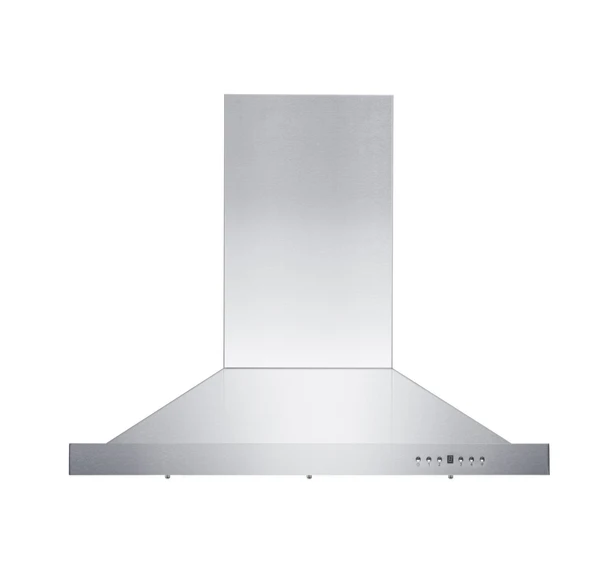
A well-designed kitchen needs more than attractive cabinets and modern appliances. Proper ventilation helps manage cooking smoke, grease, steam, heat, and lingering odours while keeping the cooking area more comfortable. Choosing the right range hood also creates an opportunity to complement your kitchen’s overall design, whether you prefer a minimalist look or a bold, contemporary focal point.
When comparing range hoods for kitchens, consider how you cook, the layout of your space, and the ventilation options available in your home. These factors can help you select a hood that balances reliable performance, convenient maintenance, and visual appeal.
Understand the Different Range Hood Styles
Range hoods are available in several configurations, each suited to particular kitchen layouts. Under-cabinet models fit beneath existing cabinetry and can be practical when space is limited. Wall-mounted chimney hoods provide a more prominent appearance and work well above ranges positioned against a wall.
Island range hoods hang from the ceiling above a cooking surface located in a kitchen island. Because smoke and steam can escape from multiple directions, their size and placement deserve particular attention. Insert models offer another option, allowing ventilation equipment to sit inside a custom-built enclosure for a more integrated appearance.
Before choosing a style, measure the available installation area and consider the position of nearby cabinets, ceilings, and ductwork. Planning these details early can prevent costly adjustments during a kitchen renovation.
Match Ventilation to Your Cooking Habits
The right ventilation system depends on the amount of heat, smoke, and grease your cooking produces. Frequent frying, searing, grilling, and high-heat cooking may require stronger airflow and a hood with sufficient coverage. Lighter cooking in a smaller kitchen may have different requirements.
Airflow is commonly measured in cubic feet per minute (CFM). Although a higher rating can indicate greater air-moving capacity, it does not automatically guarantee better performance. Hood dimensions, installation height, duct design, and the ability to capture rising cooking fumes all influence the results.
Also consider noise levels. A hood that operates comfortably at its usual fan setting is more likely to be used consistently. Multiple speed settings, effective lighting, and straightforward controls can make everyday cooking easier. Always consult the appliance specifications and installation recommendations when comparing models.
Decide Between Ducted and Ductless Ventilation
Ducted range hoods move cooking air through a duct and discharge it outdoors. When properly designed and installed, this approach can remove heat, moisture, and airborne cooking contaminants from the kitchen.
Ductless models draw air through grease filters and, where specified, activated-carbon filters before returning it to the room. They can be useful when installing external ductwork is impractical, although they generally do not remove heat and moisture from the space as effectively as outdoor exhaust systems.
Your building configuration, renovation plans, and local requirements may influence which option is suitable. Check whether the chosen model supports your preferred ventilation method and whether additional components are required. Filter cleaning and replacement schedules should also factor into your decision.
Balance Appearance With Practical Features
A range hood can become a defining element of your kitchen. Stainless steel offers a versatile, professional appearance, while glass accents and streamlined profiles can suit contemporary interiors. Integrated designs may appeal to homeowners who want ventilation to blend with cabinetry rather than dominate the room.
For those exploring luxury range hoods for kitchens, look beyond the exterior finish. Useful features may include bright task lighting, convenient controls, adjustable fan speeds, durable filters, and quieter operation. The best combination depends on your priorities rather than the number of features advertised.
Choose a finish that coordinates with nearby appliances, cabinet hardware, and other fixtures. At the same time, avoid sacrificing essential ventilation performance for appearance alone. A carefully selected hood should look appropriate in the space and perform reliably during regular use.
Make a Confident Choice
Selecting the right range hood involves balancing ventilation performance, kitchen dimensions, installation constraints, maintenance, and design preferences. Explore the available styles at Smart Home Luxury to find a solution that complements your kitchen’s layout and your everyday cooking needs. By evaluating these factors before comparing individual models, you can narrow your options and make a more informed decision.
 Writer Hussain
 Admin