
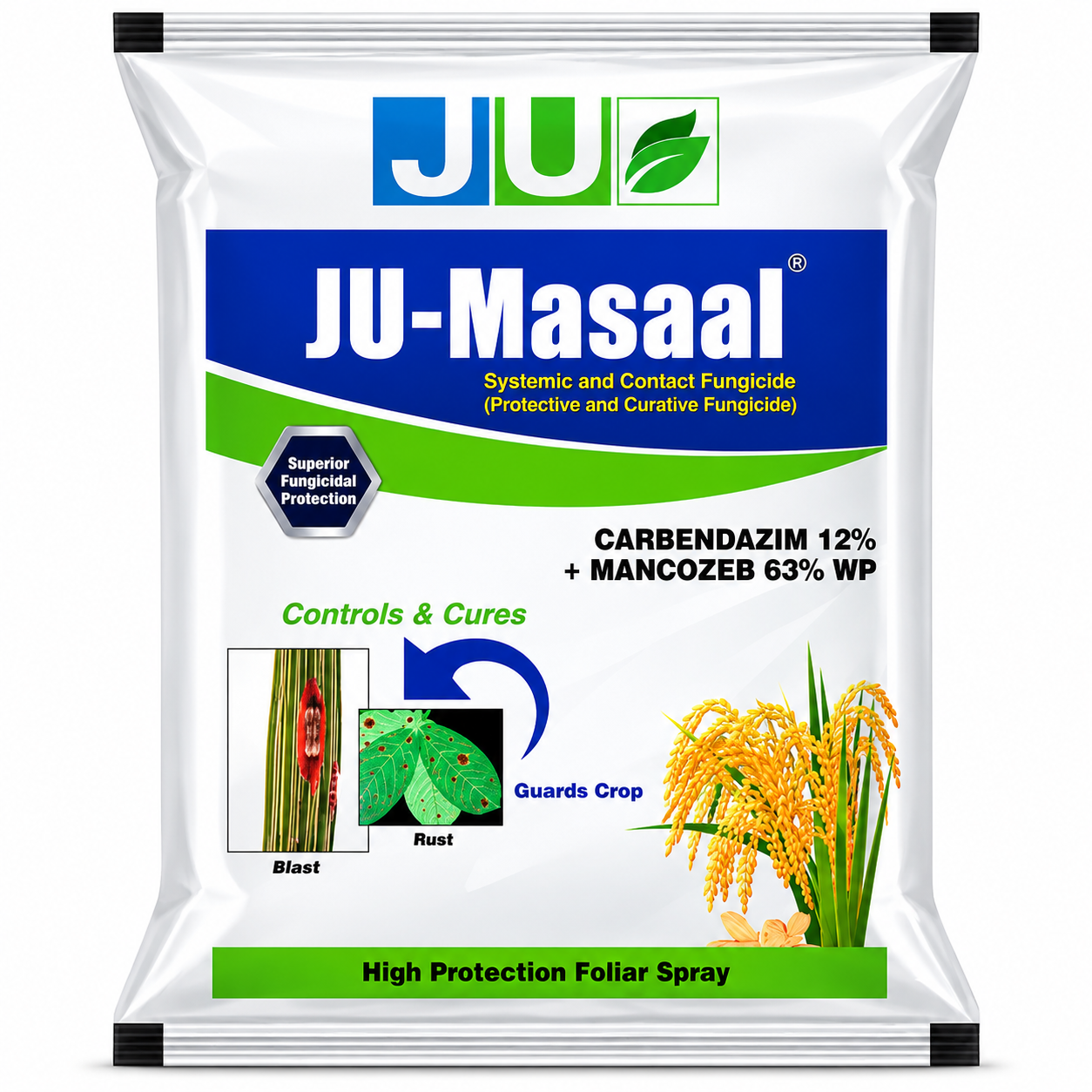
Healthy crops are essential for successful farming, but fungal diseases can create serious challenges for farmers. From leaf spots and fruit rot to powdery mildew and root infections, fungal problems can affect plant growth, crop quality, and market value. Selecting the right fungicide at the right time is an important part of responsible crop disease management.
Today, farmers can buy fungicide online India through agricultural e-commerce platforms, making it easier to explore different formulations, compare product information, and purchase crop protection inputs. However, choosing a fungicide should involve more than comparing prices. Farmers need to understand the crop, identify the disease, check the active ingredients, and follow the product label.
This guide explains how to choose fungicides for fruit crops, vegetables, and groundnut farming, what to consider before ordering online, and how platforms like Gramiti can help farmers explore agricultural products.
Why Do Farmers Buy Fungicide Online in India?
Online agricultural shopping provides another convenient way for farmers to research and purchase crop protection products. Instead of depending only on the products available at a nearby shop, farmers can explore online product listings and review important details before making a decision.
Some benefits of buying fungicides online include:
- Product variety: Explore different fungicide formulations and pack sizes.
- Convenience: Browse agricultural products without visiting multiple shops.
- Product information: Review available details about ingredients, formulations, and intended uses.
- Price comparison: Compare listed prices and available offers.
- Easy ordering: Place orders through an online shopping platform.
- Category-based shopping: Explore fungicides alongside herbicides, insecticides, and crop nutrition products.
However, online availability does not automatically mean a product is suitable for every crop. Farmers should always verify the product’s approved uses and instructions before purchasing or applying it.
How to Choose the Right Fungicide for Your Crop
Different fungal diseases require different management approaches. A fungicide suitable for one crop may not be appropriate for another. Therefore, farmers should evaluate a few important factors before selecting a product.
1. Identify the Crop and Disease
Start by identifying which crop is affected and what symptoms are visible. Yellowing leaves, spots, powdery growth, rotting, and wilting can have different causes. Not every plant disease is fungal.
If the symptoms are unclear, consult an agricultural expert or local extension service before selecting a treatment.
2. Check the Active Ingredient
The active ingredient is an important part of fungicide selection. Different ingredients have different modes of action and target different fungal pathogens.
Farmers should check:
- Active ingredient and concentration.
- Product formulation.
- Target disease.
- Approved crop uses.
- Recommended application method.
Avoid selecting a product based only on its brand name or a general claim such as broad-spectrum protection.
3. Understand Contact and Systemic Fungicides
Fungicides are available in different categories, including contact and systemic formulations.
| Feature | Contact fungicide | Systemic fungicide |
|---|---|---|
| Main action | Works mainly on treated plant surfaces | Is absorbed into plant tissues |
| Coverage | Requires good spray coverage | Movement within the plant varies by ingredient |
| Common role | Often used for preventive protection | May provide preventive or curative activity, depending on the ingredient |
| Selection | Depends on crop and disease | Depends on crop, disease, and product label |
Neither category is universally better. The correct choice depends on the fungal disease and the approved product recommendation.
Fungicide Spray for Fruits: Protecting Fruit Quality
Fruit crops are an important source of income for farmers. However, fungal diseases can affect leaves, flowers, branches, and developing fruits. Infections may reduce fruit quality, appearance, storage life, and marketability.
A suitable fungicide spray for fruits can form part of a disease management programme when the product is approved for the particular fruit crop and target disease.
Some fungal problems that may affect fruit crops include:
- Anthracnose.
- Powdery mildew.
- Downy mildew.
- Fruit rot.
- Scab.
- Leaf spot.
- Certain forms of blight.
The symptoms and management requirements vary between crops. For example, the disease management approach for grapes may differ from that for mangoes, apples, or citrus fruits.
What Should Farmers Check Before Spraying Fruit Crops?
Before choosing a fungicide, farmers should consider:
- Whether the product is approved for the fruit crop.
- Whether the identified disease appears on the product label.
- The recommended dosage and spray interval.
- The crop growth stage and fruit development stage.
- The pre-harvest interval.
- Weather conditions and rainfall forecasts.
- Required protective equipment and safety precautions.
Good orchard management also matters. Proper pruning, field sanitation, removal of infected plant material where appropriate, and suitable drainage can support disease prevention.
Contact Fungicide Spray for Fruits: How Does It Work?
A contact fungicide spray for fruits mainly acts on the plant surface where it is applied. It can help protect treated plant parts against certain fungal pathogens when used according to the product label.
Contact fungicides are often considered for preventive disease management. Their performance depends on correct application and adequate coverage of susceptible plant surfaces.
Important considerations include:
- Spray coverage: Ensure the recommended plant surfaces receive adequate coverage.
- Application timing: Follow the product’s recommended preventive application schedule.
- Weather conditions: Rainfall may affect product performance depending on the formulation.
- New growth: Newly developed plant tissues may not have the same protection as previously treated surfaces.
- Label instructions: Follow the recommended dosage, spray interval, and safety requirements.
A contact fungicide should not be considered a universal treatment for established infections. Farmers should identify the disease and select an appropriate product.
Organic Fungicide for Vegetables: What Should Farmers Know?
Vegetable crops such as tomato, chilli, cucumber, brinjal, cabbage, and other seasonal crops can be affected by fungal diseases. These infections may reduce plant vigour, damage leaves, and affect the quality of harvested produce.
Farmers looking for an organic fungicide for vegetables may explore biological products, microbial formulations, and permitted plant-based disease management solutions.
Some options used in organic or biological crop protection programmes include:
- Microbial products containing beneficial microorganisms.
- Approved biological fungicides.
- Permitted plant-derived formulations.
- Preventive crop management practices.
- Integrated disease management methods.
It is important to understand that natural, organic, and biological are not interchangeable terms. A product containing natural ingredients is not automatically certified for organic farming. Farmers following organic standards should check the relevant certification and permitted-input requirements.
Best Practices for Vegetable Disease Management
In addition to selecting suitable products, farmers can follow practical measures to reduce disease pressure:
Maintain proper spacing: Adequate spacing can improve airflow and help reduce prolonged moisture on leaves.
Use healthy planting material: Healthy seeds and seedlings can reduce the risk of introducing certain diseases.
Manage irrigation carefully: Avoid unnecessary waterlogging and excessive moisture around plants.
Practise field sanitation: Remove infected plant material where recommended and maintain a clean growing area.
Monitor crops regularly: Inspect leaves, stems, roots, and fruits for early signs of disease.
Follow product instructions: Use only products approved for the crop and intended disease.
Fungicide for Groundnut Farming: Important Selection Factors
Groundnut is an important oilseed crop cultivated in several parts of India. Fungal diseases can affect its foliage, stems, roots, and pods, potentially reducing crop health and productivity.
Farmers searching for a fungicide for groundnut farming should first identify the disease and check whether the selected product is approved for groundnut.
Some fungal problems associated with groundnut cultivation include:
- Early leaf spot.
- Late leaf spot.
- Rust.
- Root and collar diseases.
- Certain seedling and pod infections.
How Can Farmers Manage Fungal Diseases in Groundnut?
A practical approach includes:
- Inspect the field regularly for unusual leaf spots, discolouration, or wilting.
- Identify the disease with reliable agricultural guidance.
- Use healthy seed and suitable varieties.
- Practise crop rotation where appropriate.
- Maintain proper field drainage.
- Select a fungicide based on the target disease and approved crop use.
- Follow the recommended application rate and spray schedule.
Farmers should not assume that one fungicide can manage every groundnut disease. Product selection must be based on the specific problem and label recommendations.
What to Check Before You Buy Fungicide Online India
Online shopping can make agricultural product research more convenient, but farmers should verify essential information before placing an order.
Use this checklist when selecting a fungicide online:
| What to check | Why it matters |
|---|---|
| Product name | Confirms the exact product being purchased |
| Active ingredient | Helps identify the formulation |
| Concentration | Shows the strength of the active ingredient |
| Crop recommendation | Confirms whether the intended crop is listed |
| Target disease | Helps establish whether the product is suitable |
| Pack size | Helps compare available quantities |
| Price | Helps evaluate the listed purchase cost |
| Manufacturer information | Supports product verification |
| Label instructions | Provides dosage and application guidance |
| Safety precautions | Helps protect farmers, workers, and consumers |
Also review delivery information, payment options, customer support, and the seller’s product details before ordering.
Common Mistakes to Avoid When Buying Fungicides
Choosing the wrong product or applying it incorrectly can lead to poor disease management and unnecessary expenses.
Avoid these common mistakes:
- Purchasing a fungicide without identifying the disease.
- Assuming one product works for every crop.
- Selecting a product only because it is inexpensive.
- Ignoring the active ingredient and concentration.
- Applying more than the recommended dosage.
- Repeating the same mode of action without considering resistance management.
- Ignoring pre-harvest intervals and safety instructions.
- Using a product on crops not listed on its label.
Responsible fungicide use should always follow approved label directions and local agricultural recommendations.
Why Explore Fungicides Through Gramiti?
Finding suitable agricultural inputs is an important part of farm planning. Gramiti provides an online platform where farmers can explore agricultural products across different categories.
Farmers can visit Gramiti to browse available products in categories such as:
- Fungicides for crop disease management.
- Herbicides for weed management.
- Insecticides for insect pest management.
- Crop protection products.
- Crop nutrition solutions.
The platform offers farmers an online option for exploring agricultural inputs and reviewing available product information.
Before purchasing, compare the product details with your crop requirements and verify the current label instructions. Product availability, prices, pack sizes, and offers may change.
Explore available agricultural products: https://gramiti.com/
Frequently Asked Questions
1. Where can I buy fungicide online in India?
Farmers can explore agricultural e-commerce platforms such as Gramiti to review available fungicide products, formulations, and pack sizes. Before ordering, verify the product details, seller information, approved crop uses, and delivery terms.
2. What is the difference between a contact fungicide spray for fruits and a systemic fungicide?
A contact fungicide mainly works on treated plant surfaces and generally requires good spray coverage. A systemic fungicide is absorbed into plant tissues, although the extent of movement depends on its active ingredient. The appropriate option depends on the crop, disease, and product label.
3. Can organic fungicides be used for all vegetables?
No. Organic and biological fungicides have specific target diseases, crop recommendations, and application instructions. Farmers should check product approval and relevant organic certification requirements before use.
4. Which fungicide is suitable for groundnut farming?
The suitable fungicide depends on the disease affecting the groundnut crop. Farmers should identify the problem and select a product approved for groundnut and the target disease rather than choosing a product based only on its general description.
Conclusion
Fungal disease management requires correct identification, suitable product selection, and timely agricultural practices. Whether farmers need a contact fungicide spray for fruits, an organic fungicide for vegetables, or a fungicide for groundnut farming, the right choice should always match the crop and target disease.
When farmers buy fungicide online India, they should compare product information, check active ingredients, verify approved crop uses, and follow safety instructions. Online agricultural platforms can make product research and purchasing more convenient.
Gramiti aims to make agricultural inputs accessible through its online platform, helping farmers explore crop protection and crop nutrition products for their farming requirements.
Choose carefully, follow the product label, and make informed crop protection decisions with Gramiti.
 custom boxes.zone
 armand.montero
 jenn.diessi