
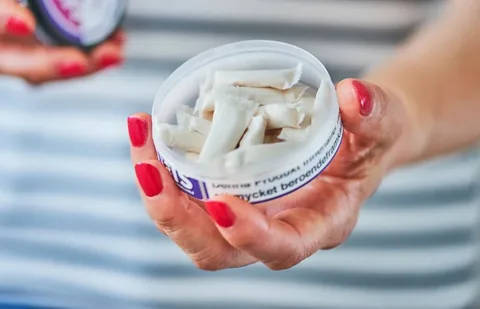
Nicotine Pouches Essential Facts Every Adult Should Know
Small, white and easy to hide, nicotine pouches are showing up in more places. But what is really inside them, and are they safe?Knowing the truth helps you make smart choices and protect the people at home. This simple guide breaks down the facts without the sales talk.
Important: Nicotine is highly addictive. Young people, pregnant women and non-users should not use these products.
What Are Nicotine Pouches?
They are small sachets placed between the gum and lip. After that, nicotine enters the body through the oral lining.
No smoke is made, and there is nothing to light. Still, smoke-free does not mean risk-free.
What Is Inside?
- Nicotine: The addictive chemical that gives the effect.
- Flavourings: These change the taste and smell.
- Sweeteners: They make the product taste sweeter.
- Other additives: These vary from one product to another.
How Do They Work?
A user holds the pouch in the mouth without swallowing it. The nicotine is slowly absorbed, and the used pouch is thrown away.
Nicotine strength differs widely. The World Health Organization reports that some labels show very high levels.
Are They the Same as Chewing Tobacco?
Not quite. These pouches do not hold tobacco leaf like many traditional oral products.
However, they can still lead to addiction. A label that says “tobacco-free” is not a promise of safety.
Health Risks of Nicotine Pouches
The US Centers for Disease Control and Prevention says no tobacco product is safe, and it includes these pouches.
Main Concerns
- Addiction: Regular use can quickly become a hard habit to break.
- Heart strain: Nicotine raises cardiovascular risk.
- Young brains: Teen use can affect attention and learning.
- Mouth problems: Gum irritation and tissue damage can occur.
- Poisoning: A child who swallows a pouch may become ill.
The Lost Mary vape range is known for its distinctive designs, variety of flavour options, and innovative features in the vaping market.
Safety Steps at Home
- Store every pack high up and out of children’s reach.
- Seal used pouches in a container that children cannot open.
- Remove the pouch if you feel dizzy or your mouth hurts.
- Contact emergency services or a poison centre if a child swallows one.
Laws Around the World
Rules for nicotine pouches differ from one country to another. WHO reported in May 2026 that about 160 countries had no specific rules.
It also reported that 16 countries banned their sale. Check your local law, because rules can change quickly.
Smart Choices for Adults
Nicotine users shouldn’t start if they don’t already.Adults who want to quit should speak with a doctor or pharmacist.
For adults who smoke, the US Food and Drug Administration says pouches can generally be lower risk than cigarettes. They are still not risk-free.
- Approved quit medicines and counselling should come first.
- Anyone who switches should stop cigarettes completely.
- Using both for a long time can keep health risks high.
- The best final goal is to be free from tobacco and nicotine.
Read next: [Internal link 1: guide to quitting nicotine] and [Internal link 2: keeping children safe from nicotine].
FAQs
Are nicotine pouches safer than cigarettes?
They can generally be lower risk for adult smokers who switch fully, according to the FDA. They are not safe.
Do they help people quit smoking?
They are not the first choice. Proven quit medicines and trained support are better places to begin.
How long does one pouch last?
It varies by product, so follow the label. Poison experts advise not keeping one in for over 60 minutes.
Can they cause addiction?
Yes. They contain nicotine, which is highly addictive.
Can teenagers or pregnant women use them?
No. Health officials advise these groups not to use them.
Key Takeaways
- Nicotine is released from cigarette pouches that are positioned between the gums and the lip.
- They make no smoke, but they are not risk-free.
- Key concerns include addiction, heart risk, mouth damage and child poisoning.
- Young people, pregnant women and non-users should stay away from them.
- Laws differ, so always check the rules where you live.
Take charge of your health today. Learn the facts, store products safely and ask a health professional for help to quit.
 matt.grayson