
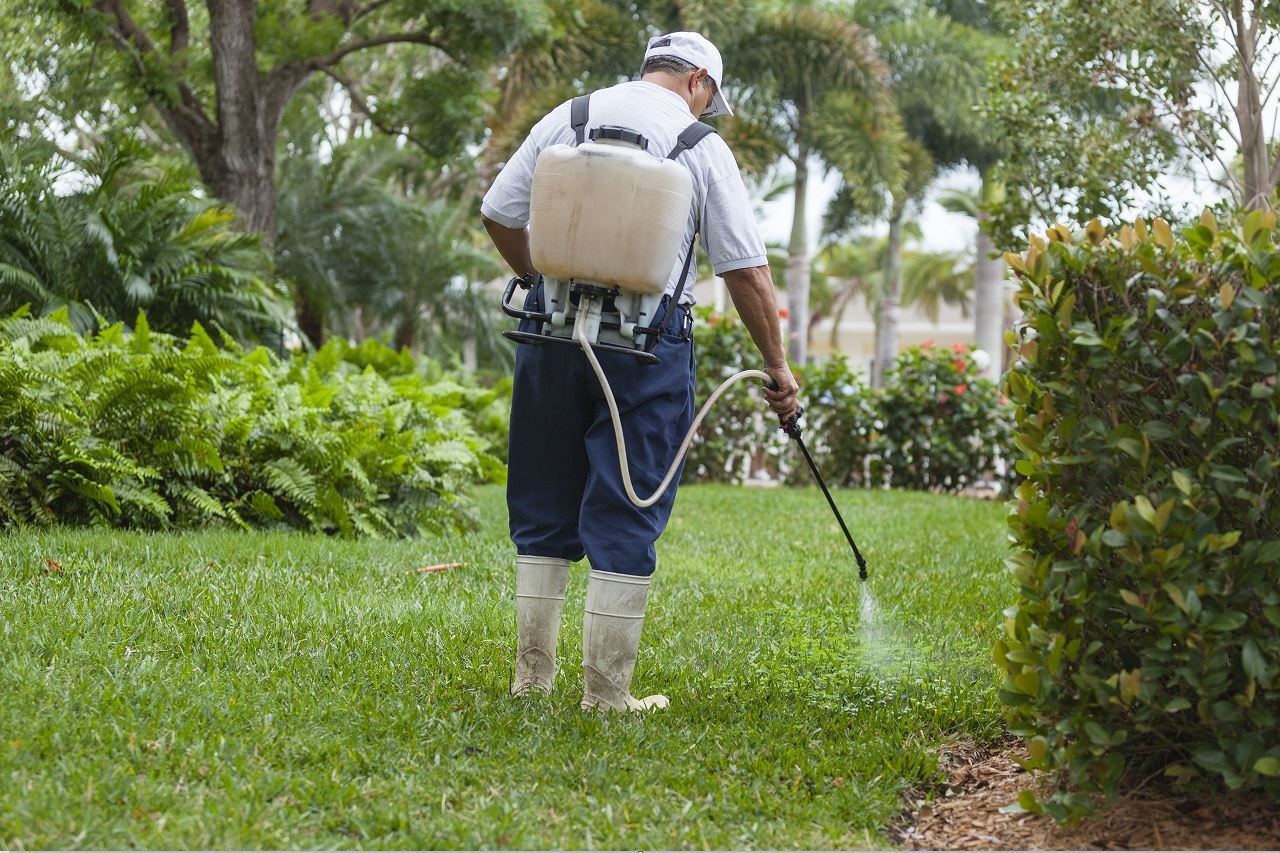
Why Weed Prevention Is Important for Property Maintenance
A well-maintained yard adds beauty, usability, and value to a property. However, unwanted weeds can quickly interfere with landscaping by competing with grass, flowers, shrubs, and other plants for sunlight, water, and nutrients. Some weeds spread rapidly, making them difficult to control once established. They can also grow through cracks in walkways, around fences, and along garden borders. Preventing weed growth is often easier than repeatedly removing mature plants. A consistent maintenance approach helps preserve the appearance of outdoor spaces while supporting healthier landscape growth throughout the year.
Understanding Professional Weed Prevention
Property owners looking for Weed Prevention Services in Fruitland Park FL may need help managing recurring growth across lawns, garden beds, walkways, and other outdoor areas. Effective prevention starts with identifying the types of weeds present and understanding the conditions that encourage them to grow. Different weeds spread through seeds, roots, or underground stems, so one removal method may not work for every situation. A suitable prevention plan considers the property’s soil conditions, landscape design, seasonal growth patterns, and existing vegetation. Addressing these factors helps reduce recurring problems instead of focusing only on visible weeds.
Common Types of Weeds Found in Landscapes
Weeds can appear in several forms, including broadleaf plants, grassy weeds, and sedges. Broadleaf weeds often have wider leaves and may develop flowers or seed heads. Grassy weeds can blend into lawns, making them difficult to identify until they become established. Sedges may grow in areas with particular moisture conditions and can be challenging to manage with general lawn treatments. Correct identification matters because different plants respond to different control methods. Understanding the type of weed also helps determine whether the problem is connected to soil conditions, irrigation practices, or gaps in landscape coverage.
Preventing Weeds Before They Spread
Prevention involves reducing the opportunities weeds need to establish themselves. Maintaining healthy turf can limit open spaces where unwanted plants might grow. Appropriate mowing, watering, and fertilization practices help grass compete more effectively. Garden beds may benefit from suitable mulch coverage, which can reduce sunlight reaching weed seeds near the soil surface. Landscape fabric may be appropriate in certain applications, although it is not a universal solution. Regularly inspecting property edges, planting areas, and pavement cracks can also help identify new growth before it spreads across larger sections of the yard.
The Importance of Seasonal Weed Management
Weed growth changes throughout the year, so prevention should account for seasonal conditions. Some varieties germinate during cooler periods, while others become more active as temperatures rise. Rainfall, irrigation, sunlight, and soil temperature can all influence how quickly weeds develop. Monitoring the property during different seasons helps identify emerging problems and determine when preventive measures may be most useful. A seasonal plan should also consider the needs of desirable plants and turf. Applying treatments at appropriate times and according to product instructions helps support effective management while reducing unnecessary exposure.
How Weed Problems Can Affect Outdoor Areas
Uncontrolled weeds can create more than an appearance issue. They may compete with desirable plants for essential resources, interfere with garden growth, and make lawn maintenance more difficult. Certain invasive plants can spread into neighboring areas or become established in hard-to-reach spaces. Weeds growing near foundations, fences, patios, and walkways may also make routine property maintenance more challenging. Regular management helps keep these areas accessible and visually organized. Property owners should also be aware that some weeds can produce irritating plant material or sharp seed heads, making identification and appropriate handling important.
Connecting Landscape Care With Broader Pest Management
Outdoor property maintenance often involves more than controlling unwanted plants. Overgrown vegetation, accumulated debris, and poorly maintained landscape edges may create sheltered areas where certain insects and other pests can gather. Pest Control Services in Fruitland Park FL can help property owners address pest concerns through inspection, identification, and suitable management strategies. The appropriate approach depends on the pest involved, the location of the activity, and the surrounding environment. Coordinating landscape maintenance with pest management can support a cleaner outdoor space, although weed control and pest control require different methods and should be planned according to their specific needs.
Choosing Appropriate Weed Control Methods
Weed prevention may involve manual removal, landscape improvements, mechanical methods, or carefully selected treatments. Hand-pulling can be useful for isolated weeds, especially when the roots can be removed without disturbing nearby plants. Mulching and maintaining dense ground coverage can help reduce opportunities for new growth. Herbicides may be considered in certain situations, but the product must be appropriate for the target weed and application area. Label directions, environmental conditions, and nearby plants should always be considered. Professional evaluation can help determine which methods are suitable for the property’s landscape and maintenance goals.
Maintaining a Healthier Landscape Over Time
Long-term weed prevention depends on consistent care rather than a single treatment. Property owners should monitor lawns and garden beds, remove emerging weeds when practical, and maintain appropriate watering and mowing routines. Irrigation systems should be checked for leaks or excessive watering that may encourage unwanted growth. Mulch may need periodic replenishment, while bare areas should be addressed before weeds establish themselves. Keeping outdoor spaces organized also makes it easier to notice changes and respond promptly. Regular attention can reduce the effort required to manage recurring growth.
Creating a Cleaner and More Attractive Property
A healthy landscape requires planning, observation, and appropriate maintenance throughout the year. By identifying weeds early, improving growing conditions, and selecting suitable prevention methods, property owners can protect desirable plants and maintain a more attractive yard. Addressing related outdoor pest concerns can further support a comfortable and well-maintained environment. A consistent approach helps prevent small landscape problems from becoming larger maintenance challenges while keeping outdoor areas more enjoyable and functional.
 feary.provider
 anshu.kumar
 thryve.clinic