
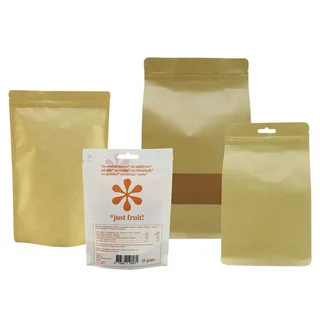
Custom Eco-Friendly Pouches give modern businesses a clean way to package items without causing extra harm to the planet. Packaging decisions carry heavy weight today because customers pay attention to how products arrive on their doorsteps. Choosing the right bags helps protect the environment while keeping items fresh and secure during transit. Many retail brands now switch away from single-use plastic to embrace better options. Flexible packaging made from renewable resources offers strong durability and smart design. Getting familiar with sustainable materials allows companies to make smart choices for long-term success.
Sustainable Packaging Materials
Modern manufacturing relies on plant-based materials to create durable packaging options. Materials like cornstarch PLA and cellulose film break down naturally over time without leaving dangerous chemical traces in the soil. Paper-based layers add structural support so bags hold their shape during shipping and storage. Heavy machinery processes these raw materials into flexible sheets that resist moisture and air. Companies often opt for Eco Friendly Pouches with Logo orders to keep supply costs low while maintaining steady inventory levels. Switching to renewable resources lowers reliance on fossil fuels and helps build a cleaner supply chain for retail brands everywhere.
Designing Brand Identity
Visual appeal plays a major role in how customers react when receiving a package in the mail. Clear printing techniques allow bright graphics and dark text to show up sharply on natural surfaces. Water-based inks replace petroleum solvents to keep the printing process completely safe for the planet. A clean surface layout gives room for instructions, safety details, and brand stories. Ordering custom-printed eco-friendly pouches helps small shops create a memorable unboxing experience for everyday buyers. Careful design choices make products stand out on crowded store shelves while highlighting a clear commitment to environmental responsibility.
Building Customer Loyalty
Shoppers today appreciate brands that show real care for environmental issues through concrete actions. Clear labeling on packaging helps consumers know exactly how to dispose of bags after opening their items. When people see natural materials, they feel better about their purchase choices and return to the same store again. Placing eco-friendly pouches with Logo artwork directly on the front panel reinforces company recognition every time a buyer uses the item. Consistent presentation across all product lines builds deep trust over time. Good packaging choices show that a company values quality materials and modern sustainability standards.
Natural Paper Solutions
Wood pulp offers a strong traditional base for natural flexible packaging used across many industries. Unbleached paper fibers maintain high tensile strength while giving a warm, earthy tone to finished bags. Internal coatings made from bio-resins seal the surface against grease and moisture without adding heavy synthetic layers. Selecting Kraft Eco-Friendly Pouches provides a rustic look that appeals to food producers and handcrafted makers alike. These natural paper bags hold dry goods, coffee beans, and small items without tearing easily. Using renewable forest resources ensures that packaging production remains balanced with ongoing tree replanting efforts.
Daily Storage Versatility
Flexible bags adapt well to different storage needs across retail food and cosmetics sectors. Zip seals allow consumers to open and close bags multiple times without losing product freshness. Heat-sealable tops protect goods during warehouse transit and store display. Utilizing Custom Printed Mylar Bags keeps dry goods safe from dust, pests, and ambient moisture throughout their shelf life. Different sizes accommodate everything from small spice blends to large clothing items. Compact storage design means these lightweight bags take up far less warehouse space than rigid glass or metal containers.
Protecting Product Freshness
Layered construction keeps sensitive items safe from light, oxygen,n and humidity during long shipping journeys. Plant-based barriers mimic traditional plastic performance without creating permanent waste. High barrier linings prevent essential oils from evaporating and keep crunchy snacks crisp. Sealed edges withstand pressure changes during air travel and long-distance road transport. Maintaining product integrity reduces waste caused by spoiled or damaged goods arriving at buyer doors. High-quality flexible barriers prove that sustainable materials can meet strict commercial storage requirements without sacrificing performance.
Practical Waste Reduction
Reducing overall waste requires thoughtful planning at every single stage of product manufacturing and shipping. Lightweight flexible designs cut down total package weight significantly compared to heavy boxes. Lower shipping weight leads directly to reduced fuel consumption during long transport routes. When bags reach the end of their useful life, they break down in commercial composting setups or standard paper recycling streams. Choosing simple materials makes sorting easier for local waste management facilities. Reducing plastic pollution keeps ocean waterways cleaner and protects natural habitats worldwide.
Smart Logistics Advantages
Flat packaging designs save massive amounts of space during storage and bulk shipping operations. Stacking empty bags takes up a fraction of the room needed for rigid plastic tubs or cardboard boxes. Efficient storage allows warehouses to organize stock easily and lower overall building energy usage. Cheaper freight costs help small businesses maintain healthy profit margins while offering fair prices to consumers. Fast packing operations let warehouse staff fill orders quickly during peak retail seasons. Streamlined shipping processes lower overall carbon footprints while improving supply chain reliability for growing brands.
Conclusion
Compostable-friendly pouches provide a reliable solution for businesses that want to package products responsibly. Modern flexible materials offer great strength while protecting items from air, moisture, and damage. Choosing renewable options helps lower overall waste in retail distribution chains. Customers appreciate clean packaging that breaks down easily without harming local soil or water systems. Investing in quality plant-based bags strengthens brand image while supporting global environmental goals. Sustainable packaging practices will continue to shape the future of commerce as more companies make the switch.