
Power distribution inside factories, buildings and utilities depends on equipment that can control, protect and isolate circuits safely. Low voltage switchgear forms the heart of that arrangement, while a water level controller automates pumping so tanks never run dry or overflow. Both reduce manual effort, protect assets and improve reliability. This article explains what they are, how they work, where they are used and how to select them. You will also find maintenance tips and clear, simple checklists written for engineers, contractors and facility managers working on practical, real-world projects.
Why These Systems Matter
Electricity must be distributed and controlled at every level, from the main incomer to the last pump. Reliable assemblies and automatic controls provide:
- Safety: Faults are isolated before they spread.
- Continuity: Critical loads stay powered.
- Automation: Fewer manual tasks and fewer human errors.
- Resource saving: Water and energy are used efficiently.
Understanding the Basics
What Is Low Voltage Switchgear?
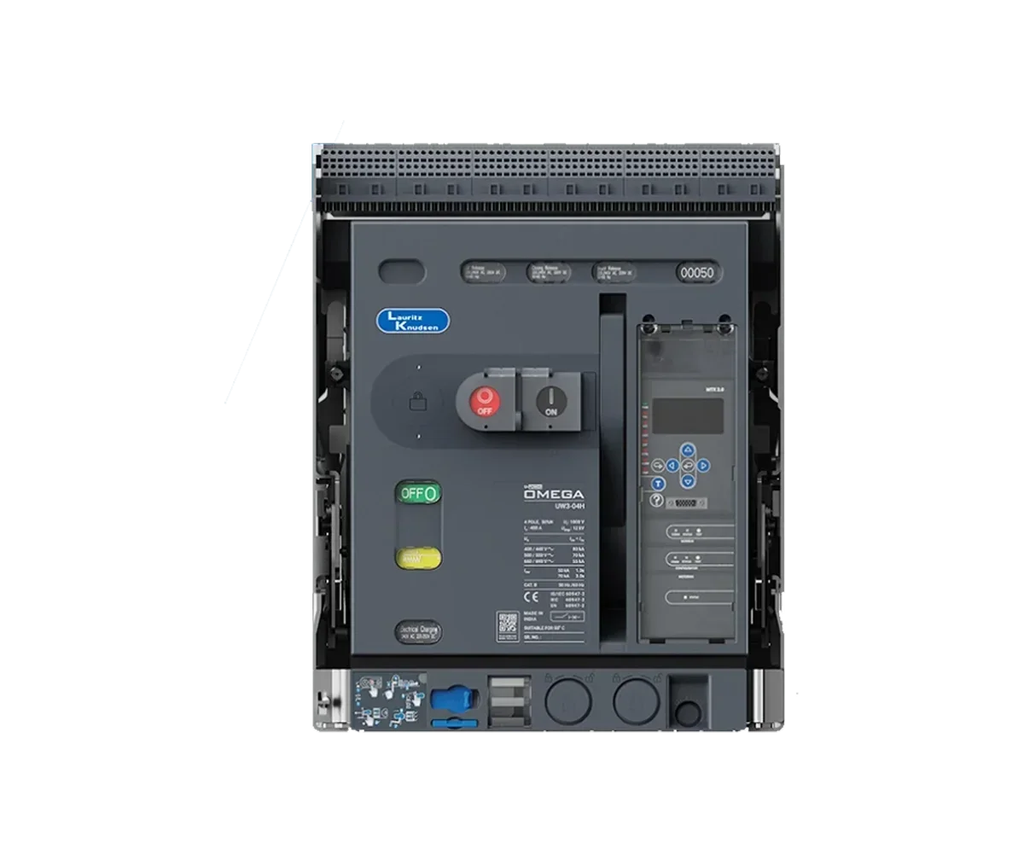
Low voltage switchgear is a combination of switching, protection, metering and control devices assembled in a metal enclosure, handling systems up to 1000 V AC. It receives power from a transformer or generator and distributes it to feeders, motors and sub-panels. Inside, you will find circuit breakers, busbars, current transformers, protection relays and meters arranged in compartments for safety.
Common forms include:
- Power control centres: For main distribution
- Motor control centres: For grouped motor starters
- Feeder pillars and panels: For outdoor or building distribution
- Capacitor panels: For reactive power compensation
What Is a Water Level Controller?
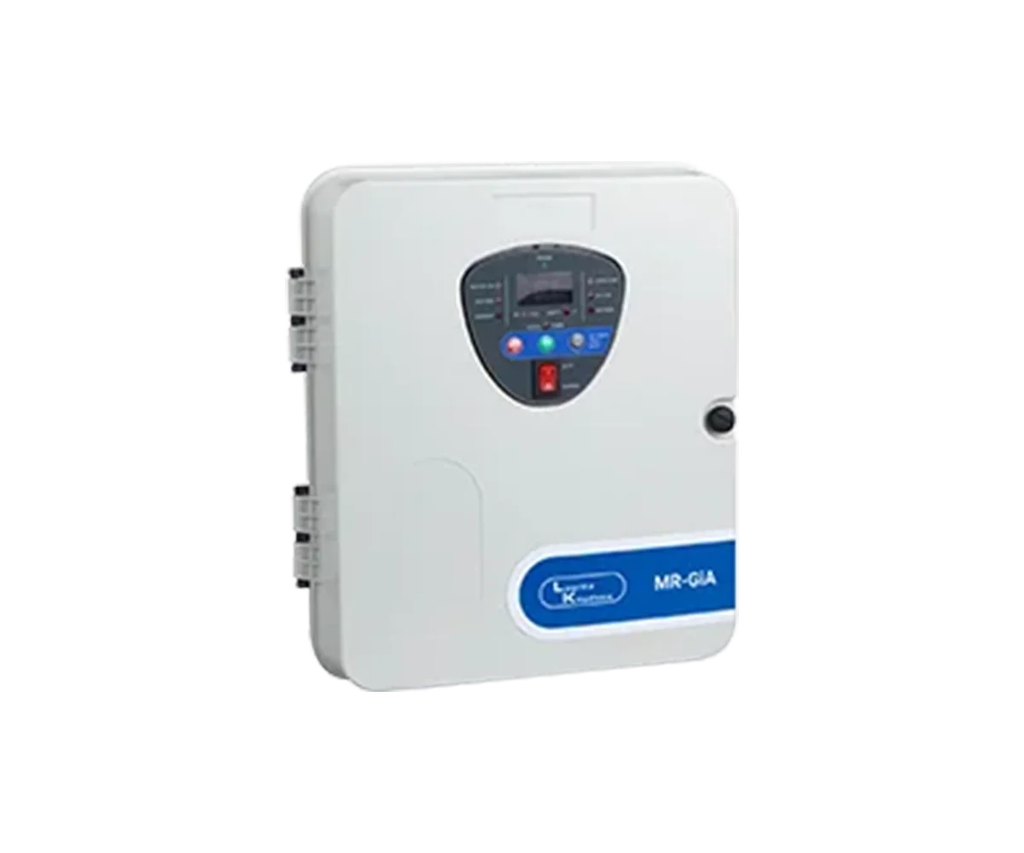
A water level controller monitors water level in a tank or sump using sensors or probes and switches the pump automatically. When the level drops to a low set point, the pump starts. When the tank is full, the pump stops. Many controllers also guard against dry running, voltage fluctuation and overload, which prolongs motor life and saves water.
How They Work
Working of an LV Assembly
- Incoming supply reaches the main breaker and busbars.
- Outgoing feeders draw power through individual protective devices.
- Relays and trip units sense overload or short circuit.
- The affected breaker opens and isolates only that circuit.
- Meters display current, voltage and energy for operators.
Working of an Automatic Pump Control
- Sensors read the water level.
- The controller compares readings with preset limits.
- The pump starts or stops through a contactor.
- Alarms or indicators signal abnormal conditions.
Applications
- Factories, workshops and process plants
- Commercial buildings and shopping complexes
- Hospitals, airports and data centres
- Residential towers with overhead tanks
- Irrigation, farms and rural water supply
- Municipal pumping stations
How to Choose the Right Equipment
- Voltage and current: Confirm system voltage, main rating and busbar capacity.
- Fault level: Select withstand and breaking capacity above the maximum fault.
- Form of separation: Choose internal segregation for safety and maintainability.
- Ingress protection: Match enclosure rating to the environment.
- Controller features: Look for dry-run protection, timers and manual override.
- Sensor type: Use probes, floats or electronic sensors suited to the water quality.
- Future expansion: Leave space for additional feeders.
Maintenance Best Practices
- Clean dust and check for moisture inside panels
- Tighten busbar joints and cable lugs
- Test breaker operation and protection settings
- Inspect sensors and probes for scaling or corrosion
- Verify indicators and alarms
- Maintain updated drawings and test records
Emerging Trends
Assemblies are becoming more compact and communication-ready, allowing remote monitoring of loads and breaker status. Arc-fault safety features and improved thermal design are raising protection levels. Water controllers now offer mobile connectivity, tank-level display and usage logging, helping residents and facility teams manage water more responsibly.
Conclusion
Reliable power distribution and automated water management share one goal, which is dependable operation with minimal manual effort, and sound selection, installation and servicing make that goal truly achievable. Lauritz Knudsen Electrical & Automation, one of India’s largest and most trusted electrical brands, brings over 70 years of legacy and a 2.1 million sq. ft. manufacturing footprint to this mission. Serving residential, agricultural, commercial, infrastructural and industrial markets, the brand continues to power India and set new standards in the electrical industry, illuminating the path to a more electrified future.
 wavetel.business
 hani.meggy