

A one-day international lasts 50 overs a side, and that length is what makes it such a good game to study. It is about watching the game in parts, asking the right questions at each stage, and joining those parts into one clear picture at the end. This guide explains each phase in plain words, using the India versus New Zealand ODI series of November 2026 as the case study.
What ODI Match Analysis Really Means
Match analysis means looking past the final score and asking how the game reached that point. The analyst looks for patterns instead of single moments. Start with three simple questions after every match. Which phase did each team win? Which players changed the pace of the game? What would have happened if one key moment had gone the other way?
The Powerplay: Setting the Tone
The first ten overs are called the powerplay, and only two fielders are allowed outside the 30-yard circle. When you analyse the powerplay, look at more than the runs scored. Did the openers play with control or take risks that could have cost wickets? A side that scores steadily without losing a wicket has set a fine base, while a side that scores fast but loses three wickets has handed the middle order a rescue job.
The Middle Overs: Where Games Are Won Quietly
Overs 11 to 40 are the middle overs, and they are the least flashy part of a one-day game. This is where ODI cricket match analysis earns its value, because the team that wins this phase often wins the match without anyone noticing at the time. A steady stand may not make the highlights, but it changes the target or the total in a real way. Often the trouble starts ten overs earlier, when dot balls pile up and the asking rate starts to climb.
The Death Overs: Pressure at Both Ends
The last ten overs are the death overs, and they test nerves more than skill. When you study the death overs, focus on these points:
- Did the bowling side vary its pace and length, or did it become easy to read?
- Did the batting side target the right bowlers and the shorter boundary?
- How many yorkers landed well, and how many turned into full tosses?
- Did the fielding side save runs with dives and sharp throws?
Small choices in these overs add up fast, and they often decide close games.
The DLS Method: When Rain Changes the Game
Rain is part of one-day cricket, and the Duckworth-Lewis-Stern method, known as DLS, is the system used to set a fair target when overs are lost. The revised target depends on how many wickets the chasing side has lost and how many overs remain. In the India versus New Zealand series of November 2026, DLS shaped the first two games. India won the first ODI by five wickets under DLS, and then won the second ODI by four runs under DLS. Both results show why fans should check the DLS par score during a rain break instead of only watching the runs on the board. The third ODI was abandoned without a ball bowled, King Exchange, which simply leaves the series score unchanged, and no analysis can be done on a game that never started.
Batting Depth: Why the Lower Order Matters
Batting depth means having batters down the order who can score runs, not just block. In modern one-day cricket, a team that bats deep can take more risks at the top because it knows a collapse will not end the innings. They must rotate the strike, hit the bad ball, and run hard between the wickets. A deep side can stay calm after losing early wickets, because runs can still come later.
Bowling Changes and Captaincy
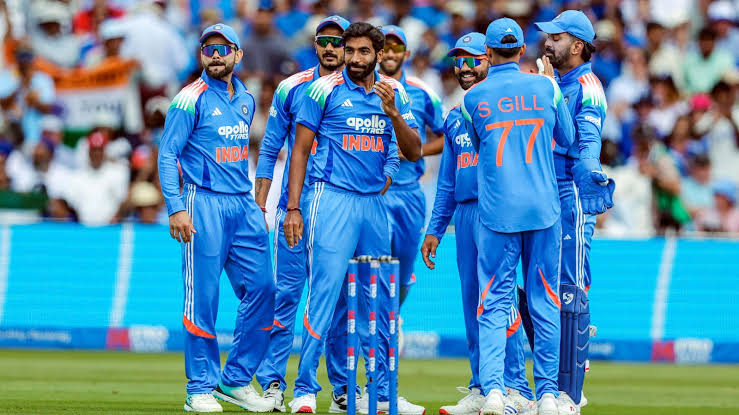
A captain’s bowling changes are one of the clearest signs of good or poor match awareness. Watch for these moves: bringing a spinner on as soon as a new batter arrives, to test them early; holding back a strike bowler for the death overs, even when the middle overs are leaking runs; using a part-time bowler for one over to break a partnership; and changing the field before the bowler changes the plan, so the two work together.
Fielding: The Phase Fans Often Miss
Fielding rarely makes the main story, yet it shapes ODI results more than many fans realise. A run saved in the powerplay is worth as much as a run scored, and a missed catch can cost far more than the runs that follow it. A side that holds its chances in the deep and in the circle gives its bowlers the reward their work deserves. Fielding also shows a team’s energy, and in a long series, fielding standards can rise or fall from game to game.
Chasing Versus Defending a Total
Chasing and defending need different skills, and the analysis should judge each on its own terms. A chasing side knows its target, so it can plan the innings in blocks: a steady start, a calm middle, and a strong finish. India won the fifth ODI by 22 runs, defending a total and holding their nerve at the end. New Zealand won the fourth ODI by 244 runs, a very large margin that showed how quickly a game can run away from a side once wickets fall. India won the series 3-1, with one game abandoned. After a game like that, friends compare notes in a fan chat on Cricbet99 about which phase mattered most, and the best answers always point to the middle overs rather than one big moment.
How to Write Your Own Match Analysis
If you want to try ODI cricket match analysis yourself, follow a simple routine. Watch the game in phases, note the score at each break, and write one line about the key moment in each phase. Share your notes with friends in a free friends-and-family league chat, and compare views. One fan may notice a field change that another missed, and that second view often improves the final reading of the game.
Frequently Asked Questions
What is ODI cricket match analysis?
ODI cricket match analysis is the study of a 50-over game in phases: powerplay, middle overs and death overs, plus batting, bowling, fielding and captaincy.
Which phase matters most in an ODI?
The middle overs often matter most, because they set up the finish. A side that wins overs 11 to 40 usually has wickets in hand and a clear plan for the last ten overs, while a side that loses this phase must take risks late in the game.
How does DLS change a rain-affected ODI?
DLS sets a revised target based on overs left and wickets in hand.
What should I look for when a team is chasing?
Watch the early wickets, the asking rate at the halfway mark, and the number of wickets left for the last ten overs.
What should I look for when a team is defending?
Watch dot balls, fielding energy and the timing of bowling changes. A defending side wins by building pressure over several overs, not by taking a wicket with every ball.
Can one big win decide a whole ODI series?
No. A series is judged across every game. In the November 2026 series, New Zealand won one game by 244 runs, yet India won the series 3-1, because India won the other completed games.
Conclusion
ODI cricket match analysis is a skill any fan can build. Judge chasing and defending on their own terms, and judge a series across all its games rather than on one result alone. The India versus New Zealand series of November 2026 showed all of this in one short series: two close DLS finishes, one abandoned game, one very large win, and one calm defence in the final game. Each match you study makes the next easier to read.
 taper.empire
 semon.ashley
 matt.bennett