
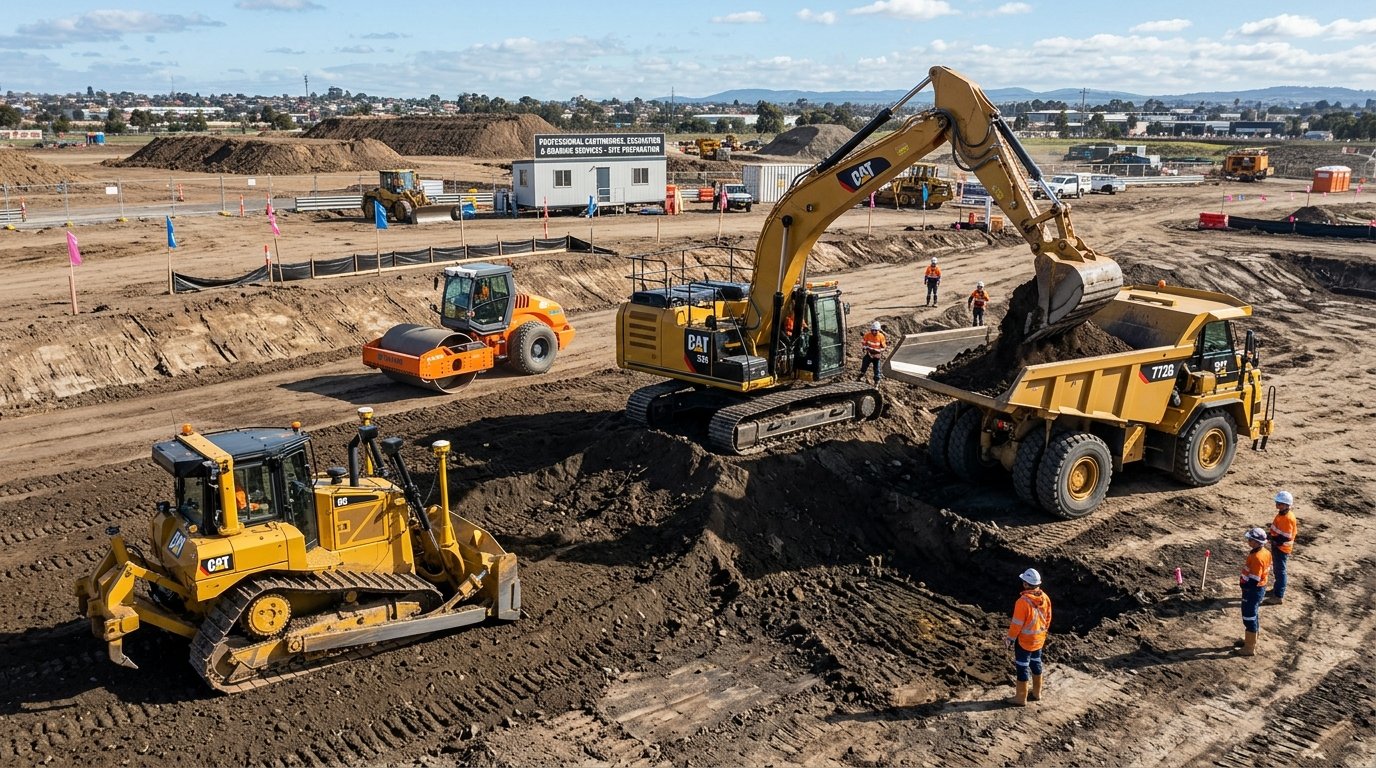
Every successful construction project begins long before the first concrete pour or structural frame installation. It starts with the land itself. Proper site preparation through professional earthworks, excavation, and grading establishes a stable, level, and secure foundation for buildings, roads, and infrastructure projects.
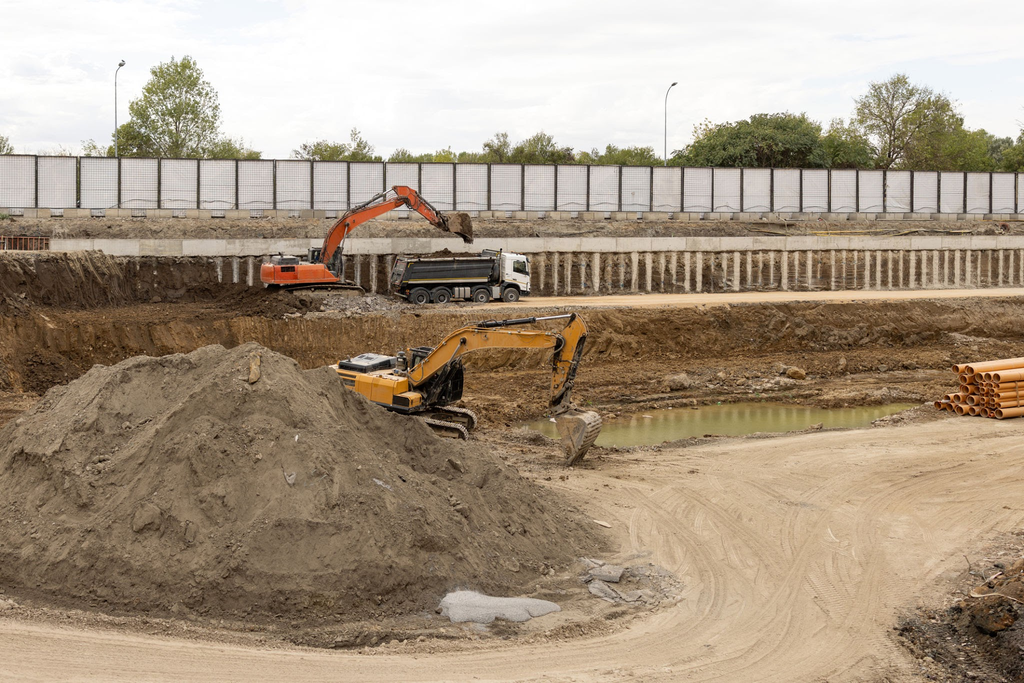
Heavy machinery clearing and grading soil for a foundation. Source: ljubaphoto/ Getty Images
What are Earthworks in Construction?
Earthworks involve the movement, removal, and compaction of soil or rock to prepare a construction site. This process ensures the ground meets exact engineering standards before structural work begins.
Key phases of earthworks include:
- Soil Testing & Analysis: Evaluating soil stability and load-bearing capacity.
- Site Clearing: Removing vegetation, debris, and existing obstacles.
- Cut and Fill Operations: Balancing the terrain by moving excess earth from high areas to fill low points.
The Role of Excavation
Excavation is the precise digging and removal of soil to create space for building foundations, basements, underground utilities, and trenches. Professional excavation relies on heavy machinery such as excavators, bulldozers, and backhoes to handle complex site conditions while maintaining strict safety standards.
Proper execution prevents soil instability, structural shifting, and drainage issues later in the construction lifecycle.
Why Precise Site Grading Matters
Grading is the final step in ground preparation, ensuring the surface is perfectly leveled and sloped according to architectural plans.
Essential benefits of proper grading include:
- Water Management: Directs rainwater away from building foundations to prevent flooding and erosion.
- Structural Stability: Creates a uniform, compacted base to support heavy loads.
- Efficiency: Minimizes structural settlement over time, protecting long-term project investments.
Investing in quality earthworks, excavation, and grading ensures your construction project starts on solid ground saving time, reducing technical risks, and guaranteeing long-term structural integrity.