
Why Carpet Seam Damage Should Not Be Ignored
Carpet seams connect separate sections of flooring to create a continuous surface. Over time, these joining areas can become loose, separated, or visibly damaged due to regular foot traffic, improper installation, moisture, or aging adhesive. Even a small opening can affect the carpet’s appearance and create an uneven surface. Addressing seam problems early can help prevent further deterioration and reduce the need for more extensive carpet repairs.
Understanding Common Causes of Carpet Seam Problems
Property owners seeking Seam Damage Repair Services may notice issues such as visible gaps, lifted edges, fraying fibers, or sections that no longer sit flat. These problems can develop when seam tape loses its bond, adhesive weakens, or carpet edges experience repeated stress. Heavy furniture movement, frequent vacuuming, moisture exposure, and installation mistakes may also contribute. Identifying the underlying cause is important because simply covering a damaged seam may not provide a lasting solution.
Signs Your Carpet Needs Seam Repair
Several visible signs can indicate that a carpet seam requires professional attention. A separating line between carpet sections is one of the most common problems. You may also notice loose fibers, curling edges, raised areas, or a slight ridge where two sections meet. In some cases, the damage becomes more noticeable when people walk across the affected area. Regularly checking high-traffic spaces can help identify these concerns before they spread.
How Professional Seam Repair Works
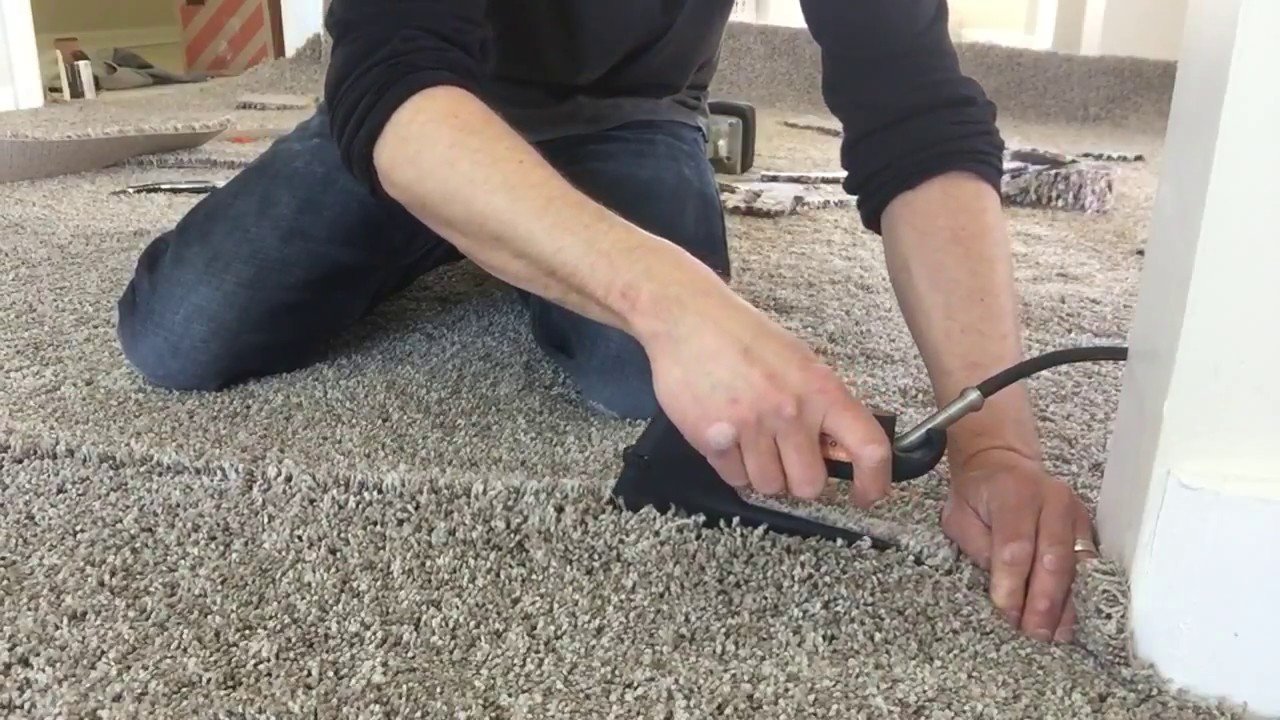
A proper repair begins with examining the affected section to determine the extent of the damage. The technician may assess the carpet backing, seam alignment, adhesive condition, and surrounding fibers. Depending on the problem, the repair may involve lifting the affected edges, removing weakened adhesive or damaged tape, and preparing the area for a new bond. Specialized tools can help align the carpet sections and create a more secure connection. The goal is to restore a smooth, stable seam while preserving as much of the existing carpet as possible.
Why Proper Seam Alignment Matters
Correct alignment is essential for achieving a neat carpet repair. If the edges are uneven or pulled too tightly, the finished seam may remain visible or develop tension that causes future separation. A suitable repair process considers the carpet’s pile direction, pattern, texture, and backing. Matching these details helps create a more consistent appearance across the floor. Careful workmanship can also reduce the chance of loose edges becoming a recurring problem.
Professional Carpet Care Helps Protect Flooring
Routine Professional Carpet Care plays an important role in maintaining the condition of carpeted spaces. Regular vacuuming removes dirt and debris that can work their way into carpet fibers, while appropriate deep cleaning helps address accumulated soil and stains. Prompt attention to spills can also reduce the risk of moisture-related damage near seams. Using cleaning methods suitable for the carpet material helps preserve its texture and appearance while supporting a cleaner indoor environment.
Preventing Future Carpet Seam Damage
Although normal wear is unavoidable, practical maintenance habits can help protect carpet seams. Avoid dragging heavy furniture directly across carpeted floors, and use furniture sliders when rearranging rooms. Clean spills promptly and allow damp areas to dry thoroughly. Vacuum regularly using equipment appropriate for the carpet type, and avoid pulling loose fibers or attempting to force separated edges back into place. If a seam begins opening, arranging an assessment early may prevent the damage from becoming more extensive.
When to Repair and When to Replace Carpet
Not every damaged carpet seam requires full carpet replacement. If the surrounding carpet remains in good condition and the problem is limited to a small section, a targeted repair may be a practical option. However, widespread deterioration, severe backing damage, extensive moisture exposure, or multiple failing seams may require a broader evaluation. A professional assessment can help determine whether repair is suitable or whether replacing the affected carpet would provide better long-term value.
Restore a Neater and Safer Carpeted Space
Damaged carpet seams can affect both the appearance and usability of a room. Loose edges and raised sections may also create places where people can catch their feet. Addressing these issues with suitable repair techniques helps restore a more even surface and protect the surrounding carpet. Combined with consistent maintenance and careful cleaning habits, timely seam repairs can help keep carpeted areas looking presentable and functioning well for longer.