
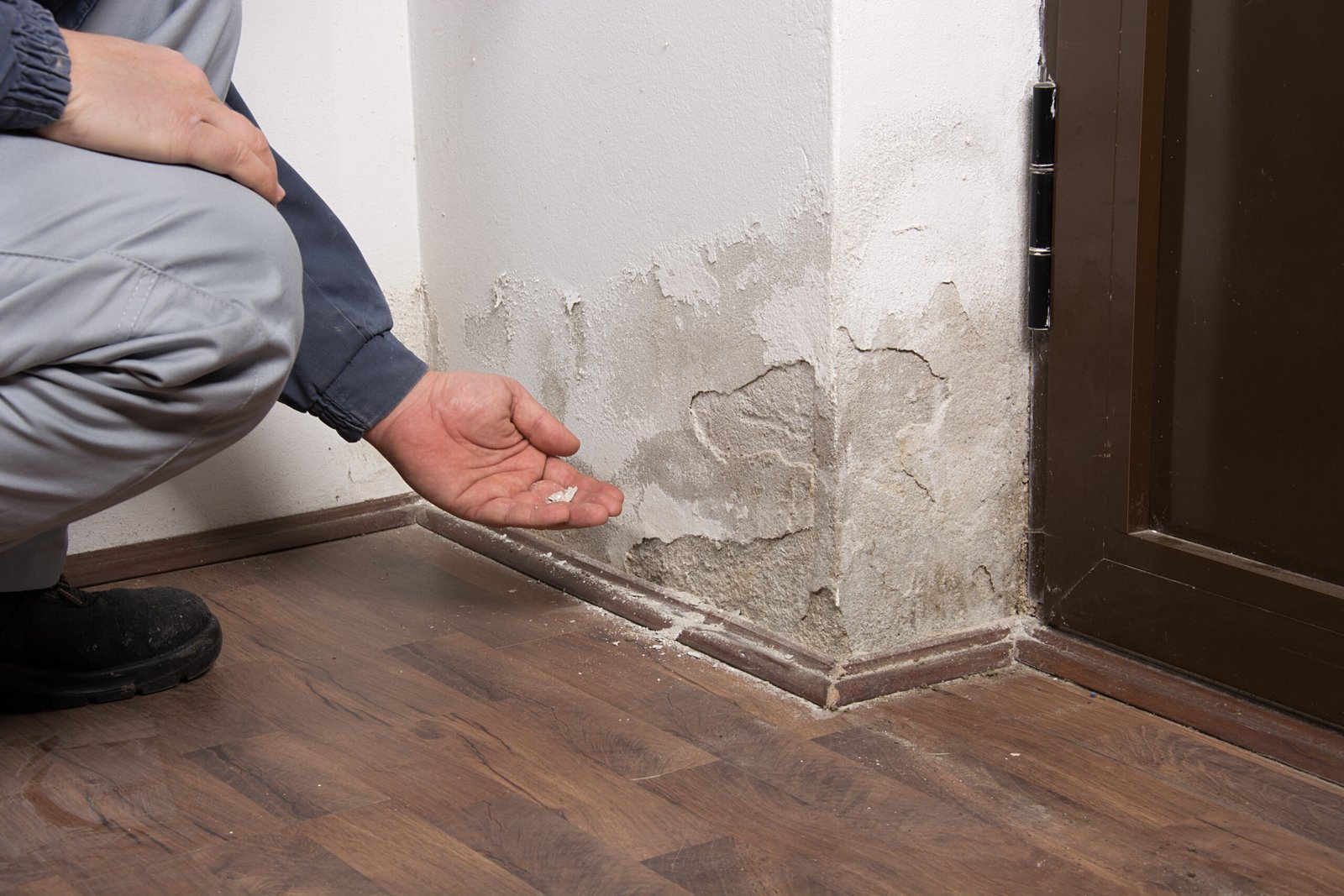
Understanding the Impact of Water-Damaged Walls
Water damage can affect more than the appearance of interior walls. Leaks, plumbing failures, roof problems, and moisture intrusion can cause drywall to soften, stain, swell, or crumble. If the underlying issue is not addressed, damaged materials may continue deteriorating and create additional repair needs. Taking action early helps protect surrounding surfaces and supports a healthier indoor environment. Proper restoration begins with identifying the moisture source and determining how extensively the wall has been affected.
Recognizing When Drywall Needs Professional Attention
Water Damaged Drywall Repair Albuquerque NM can address visible problems such as bubbling paint, discolored patches, sagging sections, soft surfaces, and crumbling drywall. Minor cosmetic damage may sometimes be repaired after the affected area is confirmed to be completely dry. However, drywall that has lost its strength or remained wet for an extended period may need replacement. A careful assessment helps determine whether the damage is limited to the surface or extends into insulation, framing, and nearby building materials.
Finding and Fixing the Source of Moisture
Repairing damaged drywall without resolving the original moisture problem can lead to recurring issues. Common sources include leaking supply lines, faulty plumbing connections, roof leaks, overflowing fixtures, and moisture entering through exterior walls. Before rebuilding the affected area, the source should be identified and corrected. Depending on the problem, this may require assistance from a plumber, roofer, or other qualified professional. Addressing the cause first helps prevent newly installed materials from becoming damaged again.
Assessing the Extent of Wall Damage
Not all water damage affects drywall in the same way. A small stain may indicate limited surface exposure, while widespread discoloration or soft sections can suggest deeper moisture problems. Inspecting the surrounding area is important because water can travel behind walls and affect materials beyond the visible stain. Wet insulation, deteriorated framing, and persistent dampness may require additional attention. When mold growth or extensive contamination is suspected, appropriate professional assessment and remediation should take place before reconstruction.
Removing Deteriorated Drywall Safely
When drywall can no longer maintain its structural integrity, removing the affected section may be necessary. The damaged material should be cut back to sound edges so that replacement drywall can be secured properly. Before cutting, it is important to consider the location of electrical wiring, plumbing lines, and other concealed components. Appropriate protective equipment and safe work practices help reduce exposure to dust and potentially contaminated materials. The surrounding framing should also be inspected before new panels are installed.
Restoring Walls Through General Home Repairs
Handyman Service in Albuquerque NM can be useful when drywall restoration is part of a larger home maintenance project. In addition to wall repairs, related work may involve replacing trim, repairing small surface defects, patching holes, adjusting fixtures, or completing minor finishing tasks. Coordinating these improvements can help restore the room’s appearance after the moisture issue has been resolved. The specific work required depends on the condition of the property and whether additional specialized trades are needed.
Installing Replacement Drywall
Once the affected area is dry and the supporting structure is suitable for reconstruction, new drywall can be installed. Replacement panels should be selected to match the existing wall thickness and intended application. In areas exposed to moisture, the appropriate moisture-resistant product may be recommended, although it should not be treated as waterproof or used as a substitute for proper moisture control. Panels must be measured, cut, secured, and aligned carefully to create a stable surface for finishing.
Achieving a Smooth and Consistent Finish
After installation, seams and fastener locations need to be covered with joint compound and drywall tape. Several applications may be necessary, with adequate drying time between coats. Sanding helps smooth transitions between the repaired section and the surrounding wall. Careful finishing is important because uneven patches may become noticeable after paint is applied. Matching the existing wall texture can also improve the final appearance, particularly in rooms with textured finishes.
Preparing the Repaired Area for Painting
Painting should begin only after the repaired surface is fully dry, smooth, and properly prepared. Applying primer helps create a consistent surface and can improve paint adhesion. The selected paint should match the existing wall as closely as possible in color and finish. Older paint may have faded over time, so a small test area can help determine whether a closer match or repainting the entire wall is necessary. Proper preparation creates a more uniform result.
Preventing Future Water Damage
Regular home maintenance can help reduce the risk of recurring drywall problems. Check plumbing connections, inspect ceilings for signs of roof leaks, and pay attention to unusual odors or unexplained damp spots. Bathrooms and kitchens should have suitable ventilation to help manage moisture from everyday activities. Homeowners should also address plumbing leaks promptly instead of waiting for visible wall damage. Keeping gutters and drainage systems clear can further reduce unwanted water exposure around the property.
Knowing When Additional Specialists Are Needed
Some restoration projects involve more than basic drywall work. Extensive water intrusion, structural deterioration, electrical concerns, or suspected mold contamination may require specialized evaluation. A handyman can often help with appropriate minor repairs and finishing tasks, but work outside the scope of general maintenance should be handled by qualified professionals. Understanding these limits helps ensure that the repair addresses both visible damage and underlying safety concerns.
Bringing Your Interior Walls Back to Life
Water-damaged drywall can make a room look neglected and may indicate a larger property maintenance issue. Identifying the moisture source, removing materials that cannot be restored, and completing careful reconstruction are essential steps toward a lasting result. With proper assessment, suitable materials, and attention to finishing details, damaged walls can regain a clean and consistent appearance. Regular inspections and timely maintenance help protect the improvement and keep interior spaces comfortable.
 harsh.narwat