
Understanding the Risks of Wasp Nests
Wasps can become a serious concern when they build nests near homes, businesses, walkways, and outdoor living spaces. Their presence may create safety concerns for residents, visitors, employees, and pets, particularly when nests are disturbed. Unlike many other insects, some wasps can become aggressive when they perceive a threat. Identifying nesting activity early can help property owners take appropriate precautions.
Why Professional Wasp Nest Removal Matters
Removing a wasp nest without proper equipment or experience can increase the risk of painful stings and unexpected insect activity. Wasp Nest Removal Company Westfield NJ services can help property owners address nesting problems through appropriate inspection and removal procedures. Professionals can assess the nest location, identify the type of insect involved, and determine a suitable approach based on the surrounding environment.
Common Places Where Wasps Build Nests
Wasps may establish nests in several areas around residential and commercial properties. Common locations include roof eaves, attics, sheds, garages, wall cavities, tree branches, and spaces beneath decks. Some species build visible paper-like nests, while others establish nests underground or inside concealed spaces. Regularly checking less frequently used areas can help property owners notice nesting activity before it becomes more difficult to manage.
Recognizing Signs of Wasp Activity
Frequent wasp activity around a particular area may indicate a nearby nest. Homeowners might notice insects repeatedly entering and leaving a small opening, gathering around roof edges, or flying near landscaping. Increased activity around outdoor seating areas, entryways, and storage spaces may also signal a problem. Avoid approaching suspicious locations closely, especially when insects appear defensive.
Understanding the Difference Between Wasps and Bees
Correct insect identification is an important part of responsible removal. Wasps generally have narrower waists and smoother bodies, while many bee species have rounder bodies with noticeable hair. Their behavior and nesting preferences can also differ. Bees play an important role in pollination, so their removal should be handled with conservation in mind whenever possible. Identifying the insect correctly helps determine the most appropriate solution.
The Importance of Responsible Bee Removal
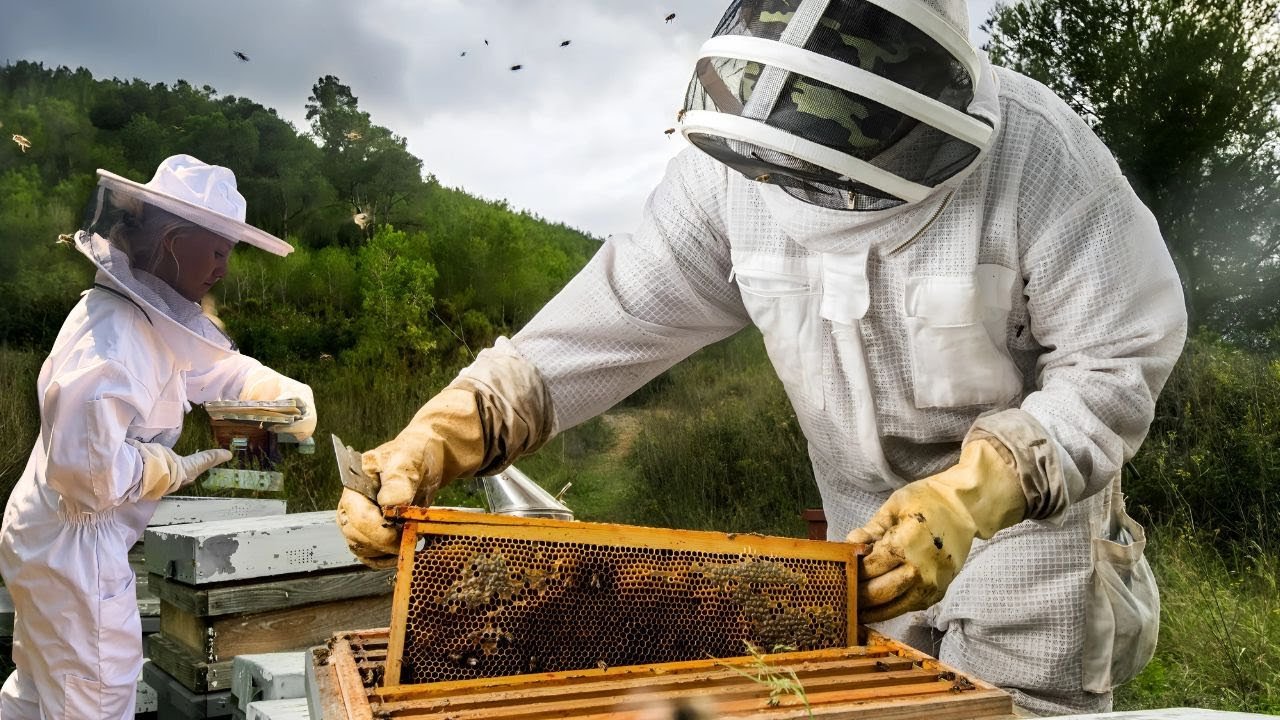
Not every stinging insect problem should be handled in the same way. Bee Removal Services can help property owners address bee activity while considering the importance of pollinators. Depending on the species, nest location, and local requirements, relocation by a qualified beekeeper or specialist may be an appropriate option. Avoid disturbing a colony or attempting removal without professional guidance.
Why DIY Nest Removal Can Be Dangerous
Spraying, hitting, or attempting to block a nest can cause insects to become defensive. Nests located inside walls, attics, or other enclosed areas may also be difficult to reach safely. Using household chemicals without understanding the insect species or product instructions can create additional hazards. Professional assessment helps reduce unnecessary exposure and ensures that the removal approach is appropriate for the situation.
Protecting Your Property From Future Nesting
After a nest has been addressed, preventive maintenance can help discourage future nesting activity. Seal suitable gaps around exterior walls, rooflines, and utility openings where insects may enter. Keep outdoor trash containers covered, clean up food and drink spills, and inspect sheds, garages, and sheltered spaces periodically. Landscaping maintenance can also improve visibility around common nesting areas.
What to Expect During a Professional Inspection
A professional inspection typically begins with identifying insect activity and locating the nest. The specialist may evaluate the nest’s size, accessibility, surrounding structures, and potential risks to people or pets. These observations help determine the safest available removal or relocation approach. Property owners should share any known allergy concerns, previous stinging incidents, or accessibility issues before work begins.
When to Seek Immediate Assistance
Professional help should be considered when a nest is located near a frequently used entrance, children’s play area, workplace, or other high-traffic location. Large colonies, concealed nests, and repeated insect activity may also require specialized attention. Anyone experiencing difficulty breathing, facial or throat swelling, dizziness, or other signs of a severe allergic reaction after a sting should seek emergency medical assistance immediately.
Maintaining a Safer Outdoor Environment
Stinging insects are part of the natural environment, but nests located too close to people can create unnecessary risks. Early identification, proper insect classification, responsible removal, and preventive property maintenance can help manage these situations. By choosing an appropriate professional approach, property owners can protect their surroundings while recognizing the ecological importance of beneficial pollinators.
 callistaeva.cosmetics
 pure.joy