
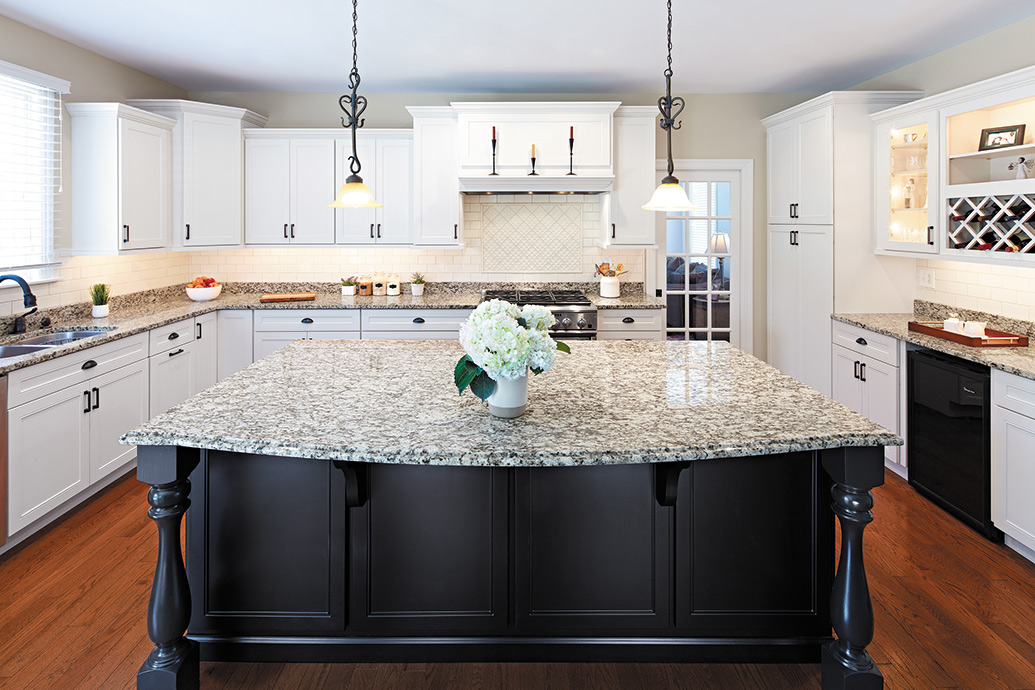
Choosing a kitchen countertop involves several decisions that affect everyday comfort. Some materials offer distinctive natural patterns, while others provide consistent designs and relatively simple maintenance. However, appearance alone cannot determine which surface will work best. We should also consider cooking habits, cabinet support, available space, and long-term care. A practical comparison can help homeowners choose a countertop that suits both their kitchen and renovation budget.
Understand What Makes a Countertop Right for Your Kitchen
Different households place different demands on kitchen surfaces. For example, frequent cooking may require generous preparation space and straightforward cleaning. Meanwhile, a family that entertains guests may want an island that becomes the room’s central feature. Choosing the best kitchen countertops begins with understanding those needs. However, no single surface is ideal for every kitchen. We should compare material characteristics, maintenance expectations, and design compatibility before making a purchase. For homeowners in Columbus, Ohio, United States, reviewing actual countertop samples alongside cabinet finishes can help create a more informed renovation plan.
Compare Kitchen Countertop Materials
Countertop materials vary in appearance, durability, and care requirements. Therefore, we should understand their main differences before selecting a slab or product.
Granite for Natural Patterns
Granite provides natural mineral colors and a wide range of patterns. It generally offers useful scratch resistance and works well in many kitchens. However, some slabs may require sealing. We should also review the exact stone’s characteristics before purchasing.
Quartz for Consistent Designs
Engineered quartz offers many predictable color and pattern options. It generally needs no periodic sealing, which can simplify routine care. However, excessive heat may damage the resin components. Therefore, we should use trivets beneath hot cookware.
Marble for Classic Appearance
Marble offers distinctive veining and a soft natural appearance. However, acidic foods and cleaners can etch its surface. We should consider these maintenance needs before choosing marble for a busy cooking area.
Quartzite for Natural Movement
Quartzite often features flowing patterns and attractive mineral colors. Many varieties offer strong scratch resistance. However, porosity and care requirements vary among stones. We should evaluate the selected slab rather than rely on general descriptions.
Evaluate Daily Kitchen Activities
The countertop should support how people cook and clean. However, a beautiful surface may become inconvenient if its maintenance conflicts with daily routines. We should consider food preparation, cleaning habits, and the amount of counter space available.
Plan Preparation Areas
Homeowners who cook frequently may value long, uninterrupted counter sections. Therefore, appliance placement and sink location should influence the layout.
We should avoid creating narrow work areas between large appliances.
Review Cleanup Requirements
Some surfaces need sealing or additional attention to stains and acidic substances. However, other materials may have different heat or impact limitations. We should compare the entire care process before deciding.
Consider Household Traffic
Kitchen islands may also function as homework areas or casual dining spaces. Therefore, the surface needs to support activities beyond cooking. We should choose materials and layouts that reflect how the household actually uses the room.
Match Countertop Colors With Cabinetry
Countertops occupy a large visible area, so their color influences the entire kitchen. However, we should avoid selecting materials based only on a small showroom sample.
White Cabinets
White cabinets provide flexibility with both light and dark countertops. Black granite can create strong contrast, while white quartz may provide a softer appearance. However, the countertop’s undertones should complement the cabinet finish.
Natural Wood Cabinets
Wood introduces warmth. Therefore, beige, cream, and selected gray surfaces can create balanced combinations. However, some wood finishes have strong orange or red undertones. We should compare samples carefully.
Dark Cabinets
Dark cabinetry can look striking with lighter countertops. However, poor lighting may make the room feel heavy. We should consider wall colors, flooring, and natural light before choosing.
Think About Countertop Patterns and Movement
A countertop pattern can become an important design feature. However, strong movement across a large surface may compete with backsplash tile or decorative cabinets. We should decide whether the countertop or another feature will draw the most attention.
Subtle Patterns
Quiet stone or quartz patterns may work well with detailed cabinetry. They can provide a consistent background for other design features. However, simple surfaces still require careful color matching.
Dramatic Veining
Strong veining can create an attractive island focal point. However, slab orientation and seams influence the finished appearance. We should ask to review the layout before fabrication.
Use Countertop Decoration Without Creating Clutter
Countertop styling can make a kitchen feel welcoming. However, too many decorative items may reduce valuable preparation space. Thoughtful kitchen countertop decorating can help balance appearance with everyday function. We should choose useful items and keep important work surfaces clear.
Create Small Functional Zones
A tray near the coffee maker can organize cups and supplies. Meanwhile, a container near the range may hold frequently used utensils. However, these arrangements should not crowd appliances or create safety problems. We should keep decorations away from hot cooking surfaces.
Add Natural Texture
Wood cutting boards, ceramic containers, and small plants can introduce warmth. However, decorative items should complement the countertop pattern. A heavily veined slab may need fewer accessories to look complete.
Keep Sink Areas Organized
Soap dispensers and cleaning products can create visual clutter. Therefore, a simple arrangement may help keep the area tidy. We should also avoid leaving items in standing water.
Review Countertop Edge Options
Edges influence both appearance and comfort. However, the available profiles depend on the material and fabrication method. An eased edge often complements modern cabinets. Meanwhile, rounded or decorative edges may suit traditional interiors.
Consider Everyday Movement
Countertop corners may experience accidental impacts. Therefore, edge shape and placement deserve attention. We should also check that the selected profile does not interfere with nearby cabinets or appliances.
Understand Fabrication Costs
Some decorative edges require additional labor. However, a simple profile may provide the appearance we want without extra expense. We should compare pricing before approving the final design.
Check Cabinet Support and Countertop Dimensions
The cabinet structure must support the selected countertop. Therefore, we should inspect alignment, stability, and existing damage. However, different materials and thicknesses may have different requirements.
Plan Kitchen Island Overhangs
Seating overhangs can provide useful space. However, some designs require additional structural support. We should review the proposed dimensions with the fabricator.
Consider Slab Availability
Large islands may need an unusually wide slab or more than one countertop section. Therefore, material availability can influence the final layout. We should confirm this before purchasing cabinets.
Understand Countertop Installation Costs
Countertop pricing depends on material, fabrication, installation, and project complexity. However, advertised material prices may not include every service. We should ask for a detailed estimate that covers cutting, edging, sink openings, delivery, and installation where applicable.
Include Removal and Repairs
Replacing an existing countertop may involve removing old materials and disconnecting plumbing. However, some contractors list these tasks separately. We should confirm responsibilities before work begins.
Consider Long-Term Care
A lower initial price may not always result in the most convenient ownership experience. Therefore, maintenance requirements deserve attention. We should consider the time and materials needed for regular care.
Prepare for Countertop Selection and Installation
Choosing the material is only one stage of the project. We should also confirm measurements, sink specifications, edge details, and final slab placement. For homeowners in Columbus, Ohio, United States, comparing several completed countertop projects may help establish realistic design expectations.
Review the Fabrication Plan
We should confirm the location of seams, sink openings, and island sections. However, changes after cutting begins may be difficult or costly. An approved plan helps reduce confusion.
Understand the Installation Schedule
Cabinets may need to be ready before final countertop measurements. Therefore, timing should reflect the construction sequence. We should coordinate material delivery and plumbing work accordingly.
Select a Countertop Professional Carefully
A suitable professional should explain material choices, fabrication requirements, and installation responsibilities. Homeowners comparing a countertop contractor in Columbus Ohio should review relevant project experience, the written scope, and the process for approving changes. However, a low estimate alone does not establish quality. We should understand exactly what the proposal includes.
Common Countertop Selection Mistakes
One mistake is choosing a slab without comparing it to the cabinets. Another is ordering the sink after final measurements. Homeowners may also underestimate care requirements or overlook cabinet support. Therefore, practical preparation is important before purchasing.
Final Thoughts
The right countertop should support daily activities while complementing the kitchen’s overall design. However, every material has benefits and limitations. When planning a countertop upgrade in Columbus, Ohio, United States, we should compare real samples, understand maintenance, and review complete installation requirements. This approach can help create a kitchen surface that remains practical and attractive.
Frequently Asked Questions (FAQs)
1. What is the best kitchen countertop material for everyday cooking?
Quartz and granite are popular choices for everyday cooking because they offer durability and attractive designs. Quartz generally requires no routine sealing but needs protection from excessive heat. Granite offers natural patterns and good heat resistance, although some slabs may require sealing. The best choice depends on cooking habits, maintenance preferences, and budget.
2. How do I choose kitchen countertops that match my cabinets?
Start by comparing countertop colors, patterns, and undertones with your existing cabinetry. White cabinets work with many light and dark surfaces, while natural wood cabinets often complement warmer stone colors. For dark cabinets, lighter countertops can create contrast. Always compare physical samples under your kitchen’s actual lighting before purchasing.
3. What factors affect the total cost of kitchen countertops?
Kitchen countertop costs depend on material selection, slab dimensions, thickness, edge profiles, and fabrication complexity. Sink cutouts, seams, delivery, installation, and removal of existing countertops may add to the final expense. Request a detailed estimate that includes all necessary services before choosing a countertop.
 Admin