
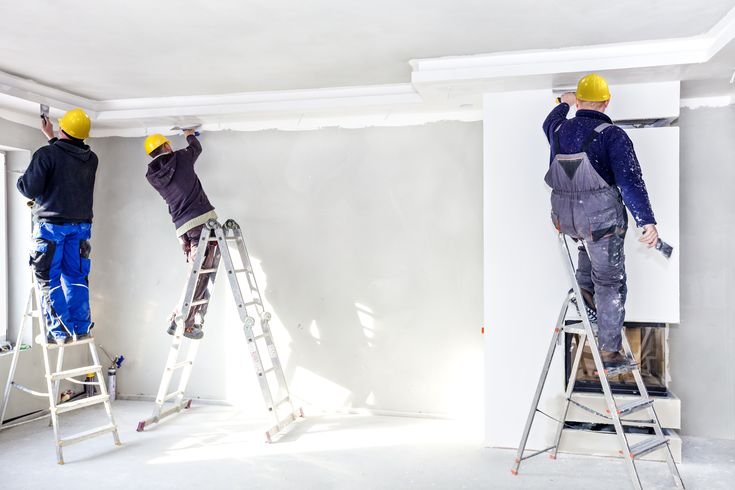
Understanding the Challenges of Aging Plaster
Older plaster walls can add character and charm to a property, but years of everyday use, building movement, moisture exposure, and temperature changes can gradually affect their condition. Cracks, loose sections, uneven textures, and peeling finishes can make rooms look worn and neglected. Beyond appearance, deteriorating plaster may indicate underlying issues that deserve attention. Restoring these surfaces requires an understanding of the existing material, the extent of the damage, and the best repair approach. With proper preparation and workmanship, aging walls can regain a smoother, more attractive finish.
Recognizing When Plaster Needs Professional Attention
Small imperfections may seem harmless, but plaster damage can become more noticeable over time. Property owners considering Old Plaster Repair Services in Lynchburg VA may be dealing with hairline cracks, hollow-sounding areas, flaking surfaces, or sections separating from the underlying wall. These problems can result from ordinary aging, previous repair work, moisture, or movement within the building. A professional assessment helps identify whether the damage is limited to the surface or involves loose plaster that needs to be secured. Understanding the cause is important because covering visible cracks without addressing the underlying problem may lead to recurring damage.
Common Causes of Plaster Deterioration
Plaster can weaken for several reasons. Moisture is one of the most concerning factors because leaks, condensation, or water intrusion can cause finishes to soften, discolor, and separate. Structural movement may create cracks around windows, doors, ceilings, and wall corners. Repeated vibrations, accidental impacts, and previous renovations can also damage older surfaces. In some buildings, natural aging and changes in indoor humidity contribute to gradual deterioration. Identifying the source of damage helps determine the right repair method and whether additional work, such as leak correction or structural evaluation, should happen first.
Inspecting the Surface Before Starting Repairs
A careful inspection provides the foundation for a successful plaster restoration project. The damaged area should be examined for loose material, deep cracks, moisture staining, and signs of separation. Nearby surfaces also deserve attention because visible damage may extend beyond the area that initially appears affected. If moisture is suspected, the source should be investigated and corrected before applying new plaster or finishing products. This preparation helps prevent repairs from failing prematurely. It also gives property owners a clearer understanding of the work required, the materials involved, and the expected condition of the finished wall.
Choosing the Right Repair Method
Different types of plaster damage require different solutions. Minor surface cracks may need careful cleaning, filling, and smoothing before repainting. Larger cracks or loose sections may require removing unstable material and rebuilding the affected area with compatible repair products. Where plaster has separated from its backing, simply applying a new surface layer may not provide a durable result. The damaged section may need to be stabilized before refinishing. Matching the existing texture is another important consideration, especially in older homes where walls may have distinctive finishes that contribute to the property’s original character.
How Professional Construction Support Helps
Plaster repairs are often connected to other interior improvement needs. Damaged drywall, deteriorated trim, moisture-related repairs, and renovation work around doors or windows may require attention at the same time. Working with a General Contractor Lynchburg VA can help property owners coordinate related construction tasks and maintain a consistent project plan. A contractor can assess the broader scope, identify work that may need to happen before plaster restoration, and help organize the sequence of improvements. The specific services required will depend on the building’s condition, so an initial evaluation is useful before setting the final project scope.
Preparing the Area for Restoration
Proper preparation is essential for achieving a clean and consistent finish. Furniture and belongings should be moved away from the work area, while floors and nearby fixtures should be protected from dust and debris. Loose plaster must be handled carefully so that unstable material does not remain beneath the new finish. Repair surfaces should be cleaned and prepared according to the materials being used. Depending on the condition of the wall, additional steps may include applying a suitable bonding product or building up several layers. Allowing materials to cure properly helps create a more dependable surface for final finishing.
Matching Texture and Creating a Smooth Finish
One challenge with repairing older plaster is making the restored area blend naturally with the surrounding wall. Even a structurally sound repair can stand out if its texture, thickness, or finish differs significantly from nearby surfaces. Careful application and sanding, where appropriate, help create a consistent appearance. Some walls have smooth finishes, while others feature subtle patterns or traditional textures. Reviewing the existing surface before selecting a finishing method helps guide the work. Once the repaired area is ready, suitable primer and paint can complete the restoration and improve the overall appearance of the room.
Maintaining Repaired Plaster Walls
After restoration, routine care can help preserve the finished surface. Keep indoor humidity at a reasonable level, address plumbing leaks promptly, and maintain proper ventilation in moisture-prone rooms. Avoid placing unnecessary pressure on repaired areas, and inspect walls periodically for new cracks, discoloration, or peeling. If damage reappears, investigating the cause is more effective than repeatedly covering the visible mark. Prompt attention to small problems can help prevent more extensive deterioration and reduce the need for larger repairs later.
Restoring Comfort and Appearance to Your Property
Well-maintained walls contribute to a property’s comfort, appearance, and overall condition. Repairing old plaster can preserve architectural character while creating a cleaner surface for decorating and everyday living. Careful inspection, appropriate repair materials, proper preparation, and attention to the surrounding construction all support a better result. Whether addressing isolated cracks or more extensive deterioration, a thoughtful restoration plan helps bring aging interiors back into good condition and prepares them for years of continued use.