
The Importance of Reliable Structural Welding
Metal structures are used in many residential, commercial, and industrial applications. From support frames and platforms to custom architectural features, these components need dependable connections to perform safely and consistently. Welding plays an important role in joining metal parts, creating assemblies, and supporting the strength of finished structures. The quality of the materials, preparation, and welding process can all influence the final result. Understanding these factors helps property owners and project managers make better decisions when planning metal fabrication or structural improvements.
Understanding Aluminum Structural Welding
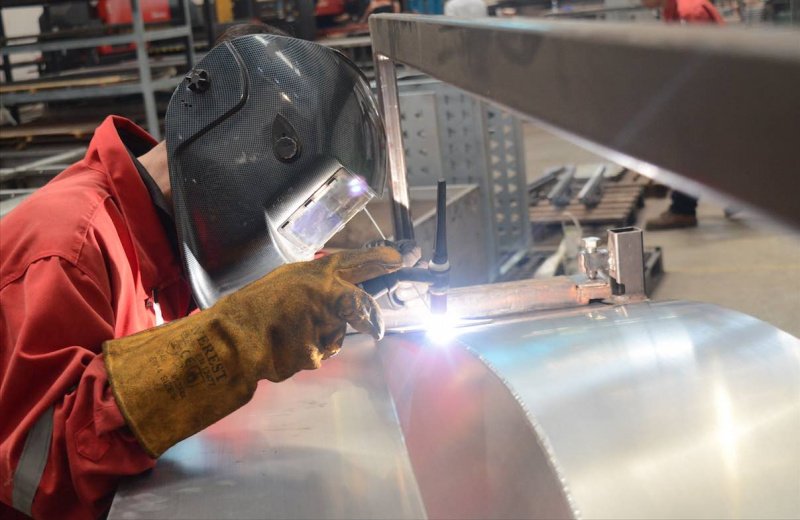
Aluminum offers several useful properties for construction and fabrication projects. It is relatively lightweight, naturally corrosion-resistant, and available in different alloys suited to various applications. Aluminum Structural Welding Chicago IL can support projects that require strong connections without the added weight associated with some other metals. However, aluminum behaves differently from steel during welding. Its high thermal conductivity, oxide layer, and sensitivity to heat require appropriate preparation and welding techniques. Selecting a suitable process and understanding the specific aluminum alloy are essential steps toward achieving a consistent, dependable weld.
Why Aluminum Requires Specialized Techniques
Working with aluminum requires careful control of the welding process. The oxide layer that forms naturally on its surface has a much higher melting point than the aluminum beneath it. If the surface is not properly prepared, this layer can interfere with weld quality. Aluminum also transfers heat quickly, which can make it challenging to maintain consistent temperatures throughout a joint. Clean surfaces, suitable filler materials, and correctly selected equipment help address these challenges. The welding approach should be based on the alloy, material thickness, joint design, and intended use of the finished component.
Common Applications for Aluminum Welding
Aluminum welding is useful across a wide range of projects. It may be used to fabricate frames, brackets, equipment supports, railings, enclosures, platforms, and other custom components. Its relatively low weight makes it attractive for applications where reducing overall structural mass is important. Aluminum’s resistance to corrosion can also make it suitable for certain outdoor environments, provided the correct alloy and design are selected. Every project has different requirements, so the intended load, exposure conditions, dimensions, and installation environment should be considered before fabrication begins.
Preparing Materials for a Stronger Connection
Preparation is one of the most important stages of welding. Aluminum surfaces should be free from oil, dirt, moisture, and other contaminants that could affect the finished joint. Appropriate cleaning methods help remove surface impurities, while proper handling reduces the chance of contamination before welding begins. Components also need accurate measurements and suitable joint preparation to ensure correct alignment. Gaps, inconsistent edges, or poor fit-up can make it harder to achieve the desired connection. Taking time to prepare the materials supports better consistency and reduces avoidable fabrication problems.
Choosing the Right Welding Process
Different welding methods may be appropriate depending on the aluminum alloy, thickness, and project requirements. Gas tungsten arc welding, commonly known as TIG, is often selected when precision and control are important. Gas metal arc welding, or MIG, can be useful for certain production and fabrication applications. The choice depends on factors such as material dimensions, joint configuration, accessibility, and required finish. Equipment settings and filler material must also be appropriate for the specific application. A careful evaluation helps determine the most suitable method rather than relying on one process for every job.
The Value of Custom Welding Solutions
Not every metalworking project can be completed with standard, ready-made components. Some structures require specific dimensions, connection points, or design features to fit an existing space or equipment system. Custom Welding Services Chicago IL can help address these requirements through project-specific fabrication and metal joining. Custom work may involve producing brackets, frames, supports, repairs, or specialized assemblies based on measurements and intended use. Clear communication about dimensions, materials, appearance, and performance expectations helps ensure that the finished component aligns with the project’s needs.
Considering Safety and Structural Requirements
Structural welding should never be approached as a purely cosmetic task. Connections may need to withstand weight, vibration, movement, and environmental exposure. The design and welding requirements should reflect the intended application, including any applicable engineering specifications, building codes, or industry standards. Proper inspection can help identify visible defects, inconsistent welds, or areas requiring further evaluation. For load-bearing applications, qualified professionals should determine the appropriate requirements and verification procedures. These considerations help support reliable fabrication and reduce the risk of problems after installation.
Maintaining Welded Aluminum Components
Although aluminum offers good corrosion resistance, welded components still benefit from routine inspection and care. Property owners should periodically check for cracks, deformation, loose connections, or signs of damage caused by impact or repeated stress. Outdoor structures may also need occasional cleaning to remove dirt and accumulated debris. If a component shows signs of deterioration, the cause should be evaluated before repairs are attempted. Maintenance needs will vary depending on the alloy, finish, location, and operating conditions. Addressing concerns early can help preserve the usefulness of the finished assembly.
Planning Your Next Welding Project
A successful welding project begins with a clear understanding of its purpose, materials, dimensions, and performance requirements. Aluminum can provide an effective combination of strength, low weight, and corrosion resistance when the right alloy and fabrication approach are used. Careful preparation, appropriate welding techniques, and attention to structural requirements all contribute to a dependable finished product. Whether a project involves a new metal assembly, a replacement component, or a custom fabrication requirement, thoughtful planning helps create results that serve their intended purpose over time.