
Understanding Long-Distance Vehicle Transportation
Vehicle breakdowns and unexpected roadside problems can disrupt even the most carefully planned journey. When a car cannot be driven safely or needs to be transported to another city, arranging the right towing service becomes especially important. Long-distance towing requires more preparation than a short trip to a nearby repair shop. Distance, vehicle condition, equipment, scheduling, and transportation requirements all influence the process. Understanding these factors helps vehicle owners make informed decisions and arrange transportation with greater confidence.
When Long-Distance Towing May Be Necessary
There are several situations where Long Distance Towing Services Baltimore MD may be useful. A vehicle might experience a major mechanical failure, sustain accident damage, or become unsafe to operate on highways. Some owners also need to move a car after purchasing it from another location, relocating, or arranging transportation for a vehicle that has been sitting unused. In these circumstances, driving the vehicle may not be practical or advisable. Professional towing provides an alternative that can help move the vehicle without adding unnecessary mileage or risking further mechanical damage.
Why Choosing the Right Towing Equipment Matters
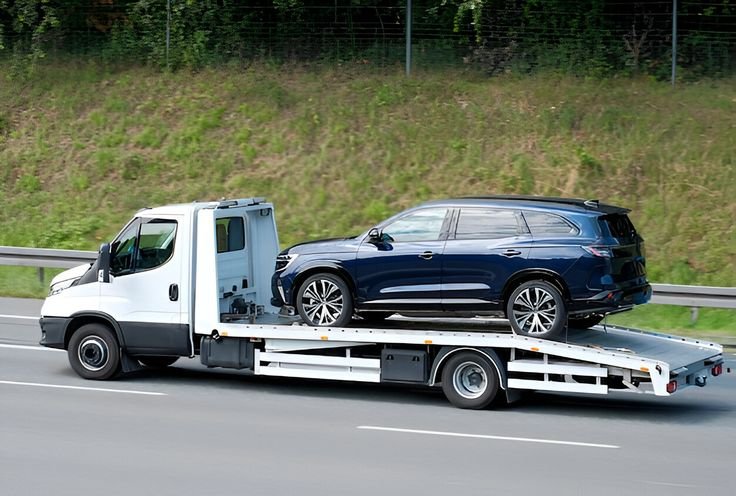
Not every vehicle can be transported using the same towing method. Standard passenger cars, SUVs, pickup trucks, motorcycles, and specialty vehicles may require different equipment. Flatbed towing is often a suitable option for vehicles that should be kept completely off the road during transportation. Other towing methods may be appropriate depending on the vehicle’s drivetrain, condition, and manufacturer recommendations. Before arranging service, owners should provide accurate information about the vehicle’s size, weight, condition, and any modifications. This allows the towing provider to determine which equipment is appropriate for the job.
Planning the Route and Transportation Schedule
Long-distance transportation involves more than connecting a vehicle to a tow truck. The route, distance, traffic conditions, road restrictions, and expected travel time should all be considered. Weather can also affect scheduling, particularly when heavy rain, strong winds, or winter conditions create challenging driving environments. Vehicle owners should discuss pickup and delivery locations clearly and confirm any access restrictions at either property. Providing accurate contact information and being available for coordination can help prevent delays. A clear transportation plan also makes it easier to understand when the vehicle is expected to arrive.
Protecting Your Vehicle During the Towing Process
Vehicle safety should remain a priority throughout transportation. Before loading, the towing equipment should be appropriate for the vehicle’s condition and weight. Secure attachment points, suitable straps, and proper loading procedures help reduce the risk of movement during transit. Owners should remove loose personal belongings and document any existing exterior damage before the vehicle is picked up. If the vehicle has special loading requirements, such as limited ground clearance or damaged wheels, those details should be communicated in advance. Taking these precautions supports a more organized and careful transportation process.
Working With an Experienced Towing Provider
Selecting a provider is an important part of arranging vehicle transportation. A dependable company should be able to explain its service area, equipment options, scheduling process, and pricing structure. When comparing a Towing Company Baltimore MD, vehicle owners should ask whether long-distance transportation is available and whether the provider can accommodate the specific vehicle involved. It is also helpful to confirm how estimates are calculated, including distance, vehicle type, loading requirements, and any additional fees. Clear communication before pickup can prevent misunderstandings and make the overall experience easier to manage.
Understanding Costs Before Scheduling
Long-distance towing costs can vary depending on several factors. The total mileage is often important, but it is not the only consideration. Vehicle size, weight, accessibility, required equipment, pickup conditions, and destination location may also affect the final price. Some transportation requests involve difficult loading situations or special handling requirements that need additional preparation. Requesting a detailed estimate before confirming service helps vehicle owners understand what is included. Ask whether the quoted amount covers loading, transportation, delivery, and any applicable additional charges so there are fewer surprises later.
Preparing Your Vehicle for Pickup
A few simple steps can make pickup more efficient. Remove valuable personal belongings, secure loose items, and provide the towing operator with any relevant information about mechanical problems or accident damage. If the vehicle does not start, mention whether the steering, brakes, or wheels are affected. Make sure the pickup area is accessible and that someone can provide the keys or necessary instructions. For vehicles parked in garages, narrow driveways, or restricted spaces, explain the access conditions before the truck arrives. Good preparation helps the operator select an appropriate approach and equipment.
Questions to Ask Before Hiring a Service
Before confirming a long-distance tow, ask about estimated arrival and delivery times, service availability, insurance coverage, and the process for handling unexpected delays. Find out how the vehicle will be secured and whether updates are available during transportation. Owners should also confirm the exact destination address and the person responsible for receiving the vehicle. Keeping written details of the estimate and agreed arrangements can be useful if questions arise. Taking time to clarify these points helps establish realistic expectations before transportation begins.
Making Long-Distance Towing Easier
Transporting a disabled or unwanted vehicle over a substantial distance can be challenging without suitable equipment and careful coordination. Understanding the available towing methods, preparing the vehicle, reviewing costs, and communicating clearly all contribute to a smoother experience. Whether the need involves an unexpected breakdown, an accident, or a planned vehicle relocation, choosing an appropriate transportation solution helps protect the vehicle and reduce unnecessary complications. A well-organized towing arrangement allows owners to focus on their next steps while their vehicle is moved to the intended destination.