
Understanding the Importance of Responsible Bee Management
Bees play an important role in the environment by pollinating flowers, plants, and agricultural crops. However, when a colony settles near a doorway, roofline, wall cavity, or frequently used outdoor area, it can create concerns for property owners. The presence of bees does not always mean they need to be eliminated. In many situations, relocation may provide a more appropriate solution that addresses the immediate concern while preserving the colony. Understanding how bee activity develops and when professional assistance is necessary can help homeowners respond safely and responsibly.
Why Professional Bee Relocation Matters
A colony established in or around a building can be difficult to manage without proper knowledge and equipment. Bee Relocation Company Upland CA services can help property owners address colonies in locations where they may interfere with normal activities. Professional assessment helps determine the type of bee activity, the colony’s location, and whether relocation is practical. This is particularly important when bees have entered wall voids, roof spaces, sheds, or other enclosed areas. Attempting to remove a colony without understanding its location can disturb the bees and potentially create additional safety concerns.
Recognizing Where Bees May Establish Colonies
Bees often look for sheltered spaces that provide protection from weather and disturbance. Common locations include tree cavities, roof overhangs, wall openings, sheds, fences, and gaps around exterior structures. A visible cluster of bees may indicate a temporary swarm rather than an established colony. Swarms sometimes gather while searching for a suitable nesting location and may move on without creating a permanent nest. An established colony, however, may show repeated activity around a particular opening. Observing where bees enter and exit can help a professional assess the situation without disturbing them.
Understanding the Difference Between Swarms and Established Hives
A swarm and an established hive require different approaches. Swarming bees typically gather in a temporary cluster around a branch, fence, or other exposed surface. They may remain in place for a limited period while scout bees search for a permanent nesting location. An established colony has a more organized nesting structure and may be located inside a cavity or protected space. The presence of bees entering and leaving the same opening repeatedly can suggest an established nest. Correctly identifying the situation is important because the equipment, access requirements, and relocation process may differ considerably.
When to Arrange Professional Bee Removal
Bee activity near busy entrances, play areas, outdoor seating, or frequently used pathways can create understandable concerns. Property owners may also need assistance when bees establish a colony inside a wall, roof, or other building component. Bee Removal Services in Upland CA can help evaluate these situations and determine an appropriate course of action. A professional can consider the colony’s location, accessibility, surrounding conditions, and potential risks before beginning work. If anyone on the property has a known severe reaction to bee stings, keeping a safe distance and arranging prompt professional assistance is especially important.
Why Relocation Can Be a Preferred Option
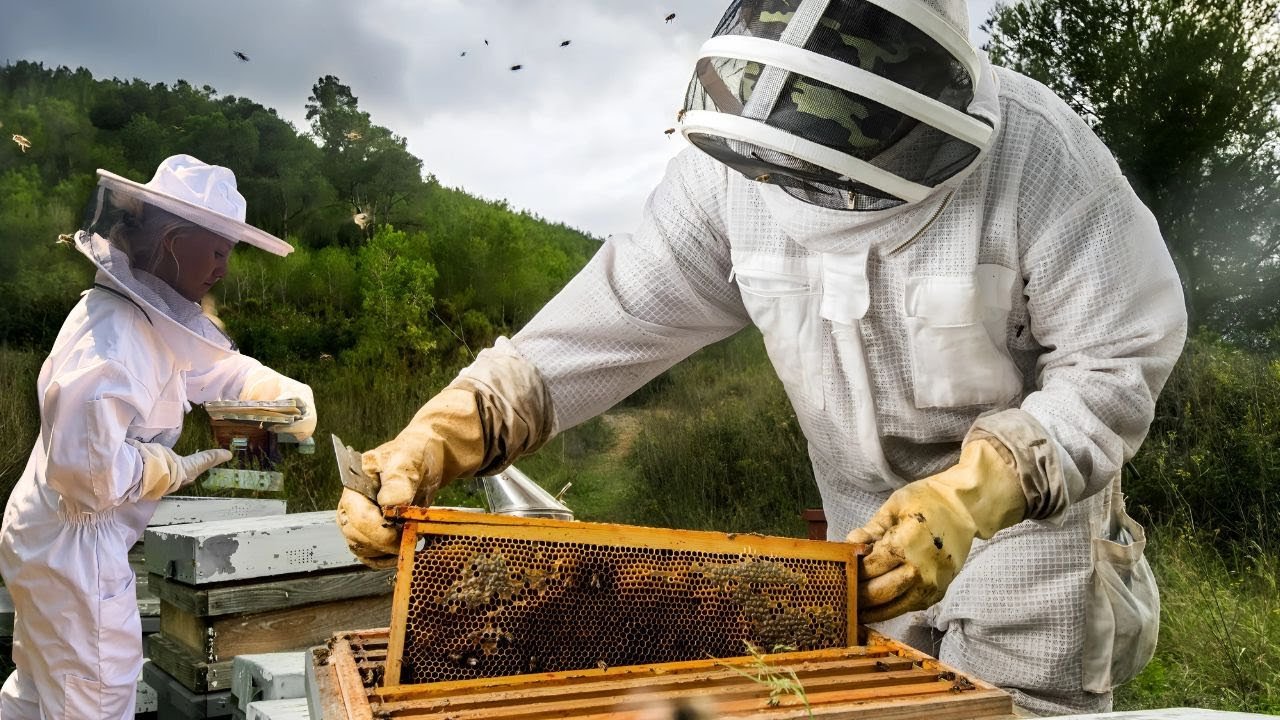
When conditions allow, relocating a colony can help preserve beneficial pollinators while resolving a property concern. The process may involve carefully accessing the nesting area, handling the colony with suitable equipment, and transferring the bees to an appropriate location. The exact approach depends on the colony’s condition and where it has established itself. Relocation from an exposed branch may be relatively straightforward, while removing a colony from inside a wall can require more extensive work. A responsible assessment helps determine whether relocation is feasible and what additional repairs may be needed afterward.
Avoiding Common DIY Removal Mistakes
Spraying chemicals, blocking entry points, striking a hive, or attempting to remove bees without protective equipment can make the situation more dangerous. Blocking an opening may also trap bees inside a building cavity without addressing the colony or its nesting material. This can create further problems, including lingering odors or pest activity. Property owners should avoid disturbing the area and keep children and pets away until the situation has been assessed. Watching the colony from a safe distance and noting its location can provide useful information for the professional handling the work.
What to Expect During a Professional Assessment
An initial assessment helps establish the scope of the job. The professional may examine bee movement, identify possible entry points, and determine whether the colony is exposed or hidden inside a structure. Accessibility is another important consideration because work near rooflines, elevated spaces, or enclosed cavities may require specialized equipment. Property owners should explain how long the bees have been present and whether anyone has experienced stings. After evaluating the conditions, the provider can discuss the available approach, expected work, and whether follow-up repairs or preventive measures may be necessary.
Preventing Future Bee Nesting Problems
After a colony has been relocated or removed, property owners can take practical steps to reduce future nesting opportunities. Inspect exterior walls, roof edges, sheds, and other structures for openings that may provide access to sheltered spaces. Damaged screens and gaps around utility penetrations should be addressed when appropriate. Landscaping can also be maintained to keep frequently used areas clear and accessible. However, not every bee visit indicates a problem. Flowering plants and gardens naturally attract pollinators, so prevention should focus on unwanted nesting in unsuitable locations rather than eliminating beneficial bee activity.
Protecting Your Property and Local Pollinators
Bee concerns deserve a careful response that considers both property safety and the environmental value of pollinators. Professional assessment can help distinguish temporary swarms from established colonies and identify an appropriate solution. When relocation is possible, it may address the immediate concern while allowing the colony to continue its important role in the ecosystem. By avoiding unnecessary disturbance, arranging suitable assistance, and addressing potential entry points afterward, property owners can maintain safer surroundings while supporting responsible bee management.