
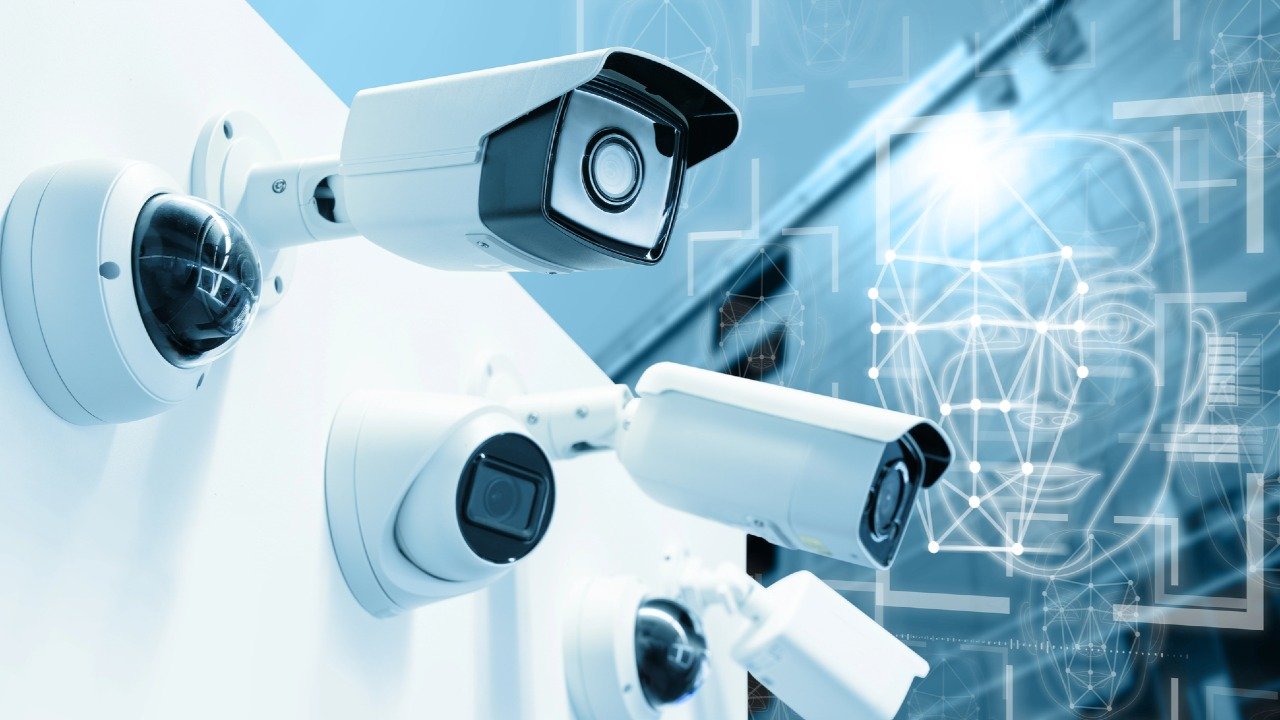
Why Modern Security Systems Matter
Protecting a home or business involves more than locking doors and checking windows. Modern security technology gives property owners additional ways to monitor entrances, observe activity, and review important events. Surveillance cameras can provide useful visibility around buildings, parking areas, and other outdoor spaces. When supported by a dependable network, these systems can also make remote viewing and recording more convenient. Choosing suitable equipment and planning the installation carefully helps create a security setup that supports everyday needs without making the property unnecessarily complicated to manage.
Understanding the Benefits of Camera Installation
A properly planned camera system can help property owners monitor areas that are difficult to observe continuously. Surveillance Camera Installation in Yardley PA can provide coverage for entrances, driveways, garages, walkways, retail spaces, and other important locations. Cameras may help document activity, support incident reviews, and provide additional awareness when occupants are away. The most effective setup depends on the property’s layout, lighting conditions, monitoring goals, and available installation locations. Rather than installing cameras randomly, it is important to identify priority areas and determine how each camera will contribute to overall coverage.
Choosing the Right Camera Locations
Camera placement has a significant influence on system performance. Entrances and exits are often important because they show who approaches or leaves the property. Driveways and parking areas may require wider coverage, while narrow pathways can benefit from a more focused viewing angle. Cameras should be positioned at suitable heights to reduce obstruction and limit opportunities for tampering. Property owners should also consider lighting, reflections, weather exposure, and nearby objects that may block the view. Careful positioning helps reduce blind spots and makes recorded footage more useful when reviewing an event.
Selecting Cameras for Different Environments
Different areas require different camera features. Outdoor cameras should be designed to withstand the environmental conditions where they will be installed, including rain, temperature changes, and dust. Indoor cameras may be better suited to monitoring reception areas, hallways, storage rooms, or common spaces. Resolution, night vision, motion detection, field of view, and recording capabilities are all worth considering. Some properties may benefit from cameras with adjustable viewing angles, while others need fixed cameras focused on specific entrances. Selecting equipment according to actual monitoring requirements can help avoid unnecessary features and improve system usability.
Understanding Wired and Wireless Camera Systems
Wired and wireless cameras each offer practical advantages. Wired systems can provide consistent connections and may be suitable for larger installations where permanent cabling is manageable. Wireless cameras can offer more flexibility when running cables is difficult, although they still require reliable power and network connectivity. The best option depends on building construction, camera locations, network strength, and the number of devices involved. Some systems combine different connection methods to accommodate the property’s layout. Before choosing equipment, property owners should understand how cameras will communicate with the recording system and whether the network can support the required data traffic.
Why Security Networking Is Essential
A camera system is only as dependable as the infrastructure supporting it. Security Networking Services in Yardley PA can help property owners establish the network connections needed for cameras, recording equipment, monitoring devices, and other security technologies. Proper network planning considers bandwidth, device compatibility, connection stability, and the placement of networking hardware. A poorly configured network may result in delayed video, interrupted connections, or difficulty accessing footage remotely. Organizing the system correctly from the beginning can improve communication between devices and make future maintenance easier.
Protecting Network Access and Recorded Footage
Security devices should be configured with appropriate access controls. Strong passwords, updated firmware, secure network settings, and limited administrative access can help reduce unauthorized access risks. Property owners should also understand where recordings are stored and who can view them. Local recording systems may keep footage on a dedicated recorder, while some systems offer cloud-based storage or a combination of both. Storage capacity and retention settings should match the property’s monitoring needs. Regularly reviewing user permissions and updating device software can help maintain a more secure system over time.
Planning a Professional Installation
A successful installation begins with a review of the property’s security goals. The installer should consider the number of cameras, required viewing angles, cable routes, power availability, recording preferences, and network infrastructure. The system should be tested after installation to confirm that cameras capture the intended areas and communicate properly with the recording equipment. Remote viewing, motion notifications, and playback functions should also be checked where available. Clear instructions help property owners understand how to use the system and manage everyday settings without unnecessary confusion.
Maintaining Your Surveillance System
Regular maintenance helps preserve camera performance. Outdoor lenses may collect dust, pollen, water spots, and debris that reduce image clarity. Periodic cleaning and visual inspections can help identify obstructions, loose fittings, or signs of weather-related wear. Property owners should also confirm that recording equipment is functioning and that storage capacity is sufficient. Network connections and software updates deserve attention as well. If a camera stops responding or footage becomes unreliable, investigating the issue promptly can help restore normal operation and prevent extended monitoring gaps.
Creating a Connected and Dependable Security Setup
A modern surveillance system works best when cameras, networking equipment, and recording solutions are planned as one coordinated setup. Thoughtful camera placement improves visibility, while dependable network infrastructure supports communication and remote access. By choosing equipment based on the property’s actual needs, securing system access, and maintaining devices regularly, property owners can build a practical security solution. Whether protecting a residence, office, or commercial space, a well-organized installation can provide useful monitoring capabilities and greater awareness of activity around the property.
 car garage.dubai