
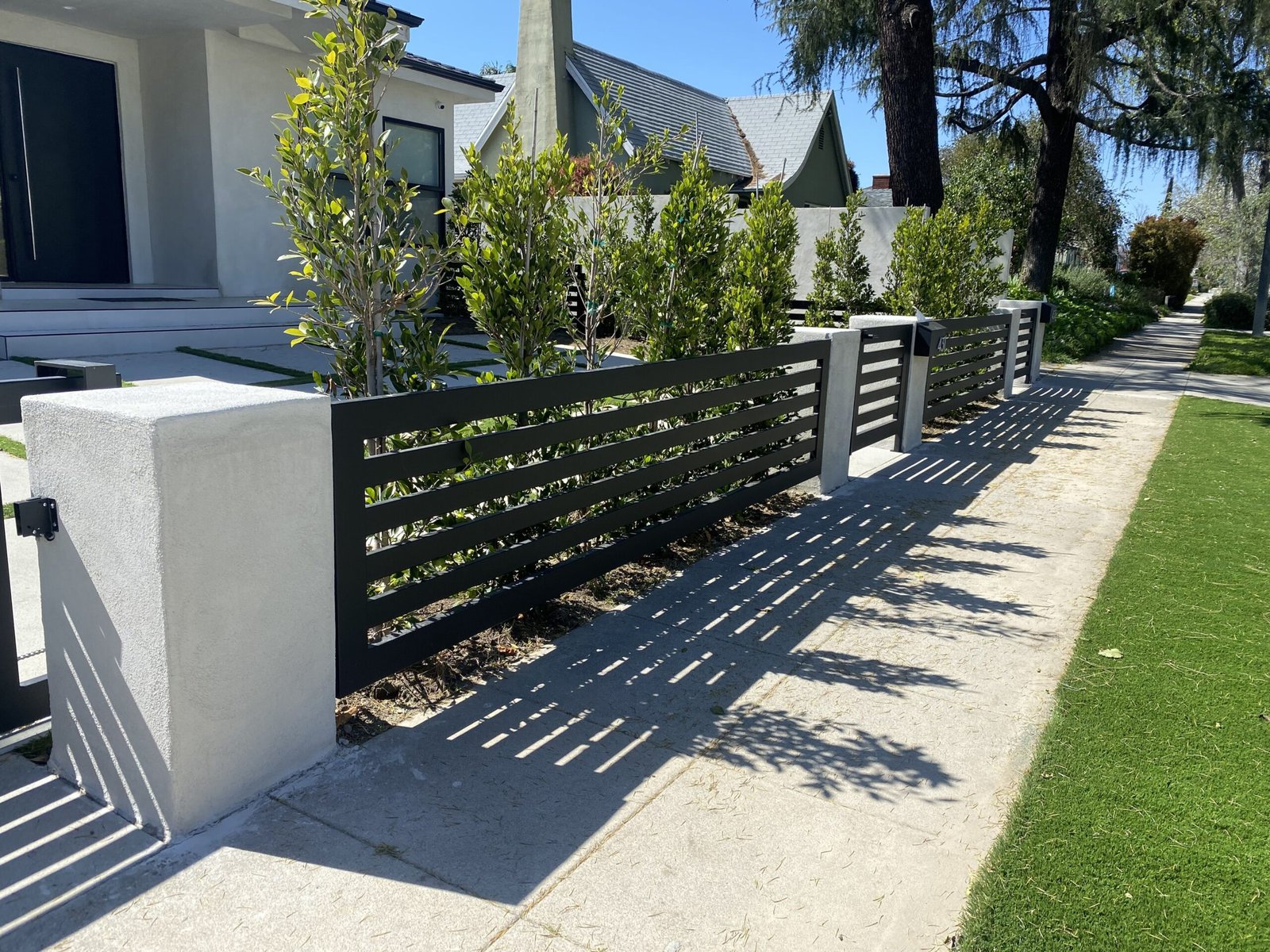
Creating Secure and Attractive Property Boundaries
A well-designed fence provides more than a visible boundary around a property. It can improve privacy, support security, define outdoor spaces, and contribute to the overall appearance of a home or commercial building. Choosing the right fencing material and installation approach helps ensure the finished structure meets practical needs while complementing the property’s design. Steel is a popular option for owners seeking a durable solution with a clean, versatile appearance.
Understanding the Benefits of Steel Fencing
Steel Fence Installation Houston TX offers property owners an option for creating strong, dependable boundaries around residential and commercial spaces. Steel fencing is valued for its strength, stability, and ability to accommodate different architectural styles. It can be designed with simple vertical bars, decorative details, or more substantial panels depending on the desired appearance and level of enclosure. With suitable protective finishes and routine maintenance, steel fencing can provide lasting functionality in a variety of outdoor environments.
Choosing a Fence Style That Fits Your Property
The right fence design depends on the property’s layout, intended use, and visual preferences. Residential owners may prefer decorative steel fencing that defines yards without completely blocking the view. Commercial properties may require a more substantial design to establish clear boundaries and manage access. Industrial locations can have additional requirements related to perimeter protection and site operations. Considering these differences before selecting a design helps ensure the fence serves its purpose without creating unnecessary restrictions.
Evaluating the Installation Area
Before installation begins, the proposed fence line should be carefully evaluated. Property measurements, ground conditions, slopes, existing landscaping, and nearby structures can all affect the installation process. It is also important to identify underground utilities before digging for posts or foundations. Property boundaries should be confirmed to avoid disputes or accidental placement beyond the permitted area. Taking these steps early helps create a more organized installation plan and reduces the likelihood of unexpected complications.
Selecting Materials and Protective Finishes
Steel fencing can be manufactured using different material specifications and finishing options. The appropriate selection depends on the fence design, expected use, exposure to weather, and maintenance expectations. Protective coatings can help reduce corrosion and preserve the appearance of the metal. Galvanized finishes and suitable exterior coatings are commonly considered for outdoor applications. Choosing materials and finishes that match the property’s environmental conditions can help support long-term performance.
Understanding the Role of Custom Metalwork
Some properties require fence dimensions or designs that are not easily accommodated by standard prefabricated panels. Steel Fabrication Houston TX can be relevant when a project involves custom measurements, specialized components, decorative features, or metal structures designed for a particular space. Fabrication may include cutting, shaping, welding, and assembling steel sections to achieve the required dimensions and configuration. Custom metalwork can also help coordinate gates, posts, brackets, and other components into one consistent design.
Planning Gates and Access Points
Gates are an important part of a complete fencing system. Their size, location, and opening direction should reflect how people and vehicles will use the property. A residential walkway may need a compact pedestrian gate, while a commercial driveway may require a wider opening for vehicle access. Gate frames, hinges, latches, and support posts should be selected according to the gate’s dimensions and expected use. Proper planning helps create convenient access without compromising the stability of the surrounding fence.
Preparing the Ground and Setting Fence Posts
A stable installation begins with appropriate ground preparation. Post locations must be measured and spaced according to the fence design, panel dimensions, and site conditions. The required depth and foundation method can vary depending on soil characteristics, fence height, and expected loads. Posts need proper alignment and support to help prevent leaning or movement over time. Careful preparation at this stage provides a reliable foundation for attaching panels and completing the fence.
Maintaining Appearance and Structural Performance
Although steel is a strong material, outdoor fencing still benefits from regular inspection and maintenance. Property owners should look for damaged coatings, surface rust, loose fasteners, shifting posts, and gate alignment problems. Small issues are generally easier to address when identified early. Cleaning accumulated dirt and checking exposed metal surfaces can also help maintain the fence’s appearance. Any damaged protective finish should be repaired using an appropriate product for the material and environment.
Considering Local Property Requirements
Fence projects may be subject to local regulations, property restrictions, and permitting requirements. Height limits, placement rules, visibility near driveways, and neighborhood guidelines can influence the design. Commercial properties may also have additional access or safety considerations. Checking applicable requirements before purchasing materials or beginning construction helps prevent avoidable delays and costly adjustments. Owners should also coordinate with neighboring property owners when a proposed fence is near a shared boundary.
Making a Practical Investment in Your Property
A successful steel fencing project combines thoughtful design, suitable materials, accurate measurements, and careful installation. From selecting a style to planning gates and preparing the ground, every stage contributes to the final structure’s performance and appearance. By considering current property needs alongside future maintenance, owners can choose a fencing solution that provides dependable boundaries and complements the surrounding space. A properly planned project can make outdoor areas more organized, secure, and visually appealing.
 meta.mechanics