
Understanding the Importance of Commercial Property Inspections
A commercial property must provide a suitable environment for employees, customers, tenants, and visitors. Whether a building is being purchased, leased, renovated, or maintained, understanding its condition is essential for making informed decisions. Hidden building issues may affect indoor air quality, structural performance, and long-term maintenance costs. A thorough inspection helps identify potential concerns and gives property owners a clearer picture of the building’s overall condition.
Recognizing the Need for Indoor Air Quality Testing
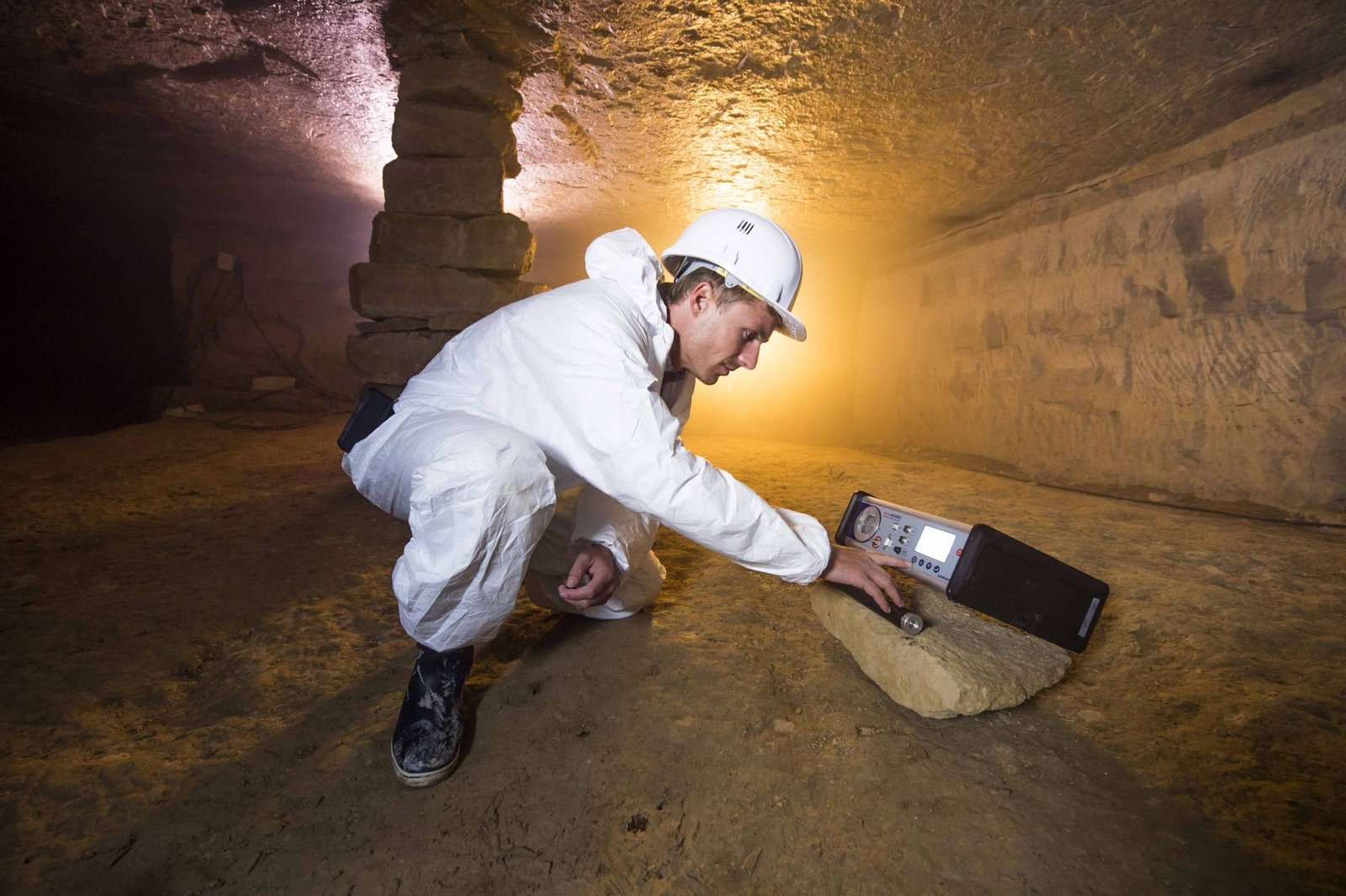
Radon Testing For Retail Space Melbourne FL can be an important consideration when evaluating indoor environmental conditions in commercial buildings. Radon is a naturally occurring radioactive gas produced by the breakdown of uranium in soil and rock. It can enter buildings through openings in foundations, construction joints, and other pathways. Because radon is colorless and odorless, it cannot be identified through ordinary observation. Testing is the reliable way to determine whether indoor concentrations require attention.
Understanding Radon Risks in Commercial Environments
Retail buildings can have different layouts, ventilation systems, and occupancy patterns. Some spaces include ground-level sales floors, storage areas, enclosed offices, and back rooms with limited airflow. These conditions can influence how radon enters and accumulates within a building. Long-term exposure to elevated radon levels is associated with an increased risk of lung cancer. Testing can help property stakeholders understand potential exposure concerns and determine whether additional evaluation or mitigation is appropriate.
Knowing When Radon Testing Should Be Considered
Radon testing may be useful when purchasing or leasing a commercial property, completing a renovation, investigating indoor environmental concerns, or establishing a building maintenance plan. Testing is especially relevant when the property has occupied spaces near or below ground level. Building owners should consider the intended use of each area and whether employees or customers spend extended periods there. A qualified testing professional can help determine appropriate testing locations and methods.
Understanding the Commercial Inspection Process
Commercial Property inspection services Melbourne FL help property owners, investors, and business operators evaluate important aspects of a building before making decisions. Depending on the scope, an inspection may examine accessible structural components, roofing, exterior surfaces, drainage, electrical systems, plumbing, heating and cooling equipment, and visible signs of moisture intrusion. The inspection process can also identify conditions that may require specialized testing. Understanding the scope in advance helps ensure that the evaluation addresses the property’s intended purpose.
Examining Roofing and Exterior Building Conditions
The roof and exterior envelope protect a commercial building from rain, wind, humidity, and other environmental conditions. Inspectors may look for visible roof deterioration, damaged flashing, drainage concerns, exterior cracks, and signs of water entry. Commercial roofs can vary significantly in design and material, so their condition should be evaluated according to the specific roofing system. Identifying visible problems early can help property owners plan repairs and reduce the risk of interior damage.
Evaluating Plumbing and Electrical Systems
Plumbing and electrical components are essential to everyday business operations. An inspection may identify visible leaks, damaged fixtures, outdated components, exposed wiring, or other conditions that warrant further evaluation. Commercial buildings can have complex systems that support multiple tenants, restrooms, kitchens, and specialized equipment. Not every component can be fully assessed during a general property inspection, so significant concerns may require evaluation by appropriately licensed specialists.
Identifying Moisture and Ventilation Concerns
Florida’s warm, humid climate makes moisture management an important part of commercial property maintenance. Water intrusion, plumbing leaks, condensation, and inadequate ventilation can contribute to deterioration and indoor air quality problems. Inspectors may look for visible staining, damp materials, musty odors, and signs of previous water damage. However, a standard property inspection does not automatically include mold sampling or a complete indoor air quality assessment. Additional testing may be recommended when specific concerns are identified.
Reviewing HVAC Performance and Building Comfort
Heating, ventilation, and air conditioning systems influence indoor comfort and air circulation. During an inspection, accessible equipment and visible components may be reviewed for apparent damage, maintenance concerns, and operational issues within the inspection’s scope. Commercial HVAC systems can be more complex than residential equipment, particularly in buildings with multiple zones or specialized ventilation requirements. Further assessment by an HVAC professional may be necessary to determine system capacity, efficiency, or repair needs.
Using Inspection Findings to Plan Improvements
An inspection report can help owners prioritize maintenance and understand which conditions deserve immediate attention. Safety-related concerns, active leaks, electrical issues, and significant structural defects may require prompt professional evaluation. Other findings may be suitable for routine maintenance or future budgeting. For retail property buyers and business operators, this information can support discussions about repairs, renovation planning, lease responsibilities, and ongoing operating expenses.
Preparing a Commercial Property for Inspection
Before an inspection, property representatives should arrange access to relevant areas, including utility rooms, mechanical spaces, storage areas, and accessible roof or exterior locations where applicable. Providing available maintenance records and information about known problems can also help the inspector understand the building’s history. If radon or another specialized environmental assessment is needed, it should be discussed separately to confirm the appropriate testing procedure and reporting requirements.
Making Informed Decisions About Commercial Buildings
A well-planned inspection process helps commercial property stakeholders understand building conditions and identify potential areas of concern. Combining a general property evaluation with appropriate specialized testing can provide a more complete understanding of a retail space. By reviewing inspection findings, addressing important issues, and maintaining essential building systems, owners and operators can make more informed decisions and support a safer, better-maintained commercial environment.
 meta.mechanics