
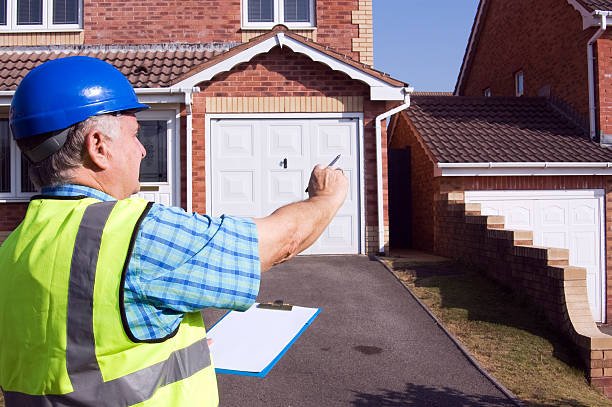
Understanding the Importance of Home Inspections
Buying or maintaining a home involves important decisions that can affect comfort, safety, and long-term expenses. While a property may look attractive during a walkthrough, certain issues are not always visible without a closer evaluation. Roofing concerns, plumbing defects, electrical problems, and signs of moisture damage can exist behind otherwise appealing surfaces. A professional inspection helps homeowners and buyers better understand a property’s condition and identify areas that may require attention.
Evaluating a Property Before Making a Purchase
Residential Home Inspection Punta Gorda FL gives prospective buyers an opportunity to learn more about the condition of a home before completing a real estate transaction. An inspection generally involves a visual evaluation of accessible components and systems, including the roof, foundation, exterior, interior, plumbing, electrical features, and heating and cooling equipment. The findings can help buyers identify significant concerns, plan future maintenance, and ask informed questions before moving forward with a purchase.
Examining the Roof and Exterior
The roof and exterior surfaces protect a home from rain, wind, sunlight, and other environmental conditions. During an inspection, visible roofing materials, flashing, gutters, drainage features, siding, exterior doors, and windows may be evaluated for signs of damage or deterioration. In Southwest Florida, exposure to intense sunlight, heavy rainfall, humidity, and seasonal storms makes exterior maintenance particularly important. Identifying visible concerns can help property owners determine whether further evaluation or repairs are necessary.
Checking the Foundation and Structural Components
A home’s structural components provide support and help maintain the stability of the building. Inspectors may look for visible cracks, uneven floors, signs of settlement, damaged framing, or other conditions that could indicate a concern. Not every crack represents a serious structural problem, but unusual patterns or noticeable changes deserve attention. When an inspection reveals potential structural issues, further assessment by a qualified structural professional may be recommended to determine their significance.
Reviewing Plumbing and Electrical Systems
Plumbing and electrical systems contribute to the everyday functionality of a home. An inspection may include checking accessible fixtures, visible piping, water pressure, drainage, electrical panels, outlets, switches, and other observable components. Leaks, corrosion, damaged wiring, or outdated installations may indicate the need for repairs or specialist evaluation. A general home inspection is not an exhaustive technical assessment of every system, but it can identify visible conditions that deserve additional attention.
Understanding the Role of a Professional Inspector
Home Inspector Punta Gorda FL can help buyers and property owners interpret visible building conditions and understand the maintenance needs of a residential property. A qualified inspector follows an established inspection process, examines accessible areas, and documents relevant observations in a report. This information can help clients distinguish routine maintenance concerns from conditions that may require prompt attention. Clear communication is important so property owners understand the limitations of the inspection and the significance of reported findings.
Assessing Heating and Cooling Equipment
Air conditioning is especially important in Florida, where warm temperatures and humidity can affect indoor comfort throughout much of the year. During a home inspection, accessible HVAC components may be examined for visible damage and basic operation within the inspection’s scope. Inspectors may also note concerns involving air distribution, filters, condensate drainage, or unusual operating conditions. A separate HVAC evaluation may be necessary when equipment performance, refrigerant levels, or internal mechanical components require specialized testing.
Looking for Signs of Moisture and Water Intrusion
Moisture can affect several areas of a home, including ceilings, walls, floors, bathrooms, kitchens, and spaces beneath plumbing fixtures. Water stains, peeling paint, musty odors, and visible deterioration may indicate previous or ongoing moisture problems. Inspectors may document these conditions and recommend additional evaluation when the source is unclear. In coastal and humid environments such as Punta Gorda, proper drainage, ventilation, and timely leak repairs are important parts of ongoing property maintenance.
Understanding What an Inspection Report Provides
A home inspection report organizes the inspector’s observations and highlights conditions that may need repair, maintenance, or further evaluation. Reports commonly include descriptions of accessible components, photographs, and explanations of visible deficiencies. Buyers can use this information to discuss concerns with their real estate professionals, request specialist assessments, or plan future improvements. It is important to remember that an inspection provides a snapshot of the property’s condition on the inspection date rather than a guarantee against future problems.
Preparing Your Home for an Inspection
Homeowners preparing to sell can make the inspection process easier by ensuring that important areas are accessible. Clear pathways to the electrical panel, water heater, HVAC equipment, attic access, and other service areas can help the inspector complete the evaluation. Replacing accessible burned-out bulbs, addressing obvious leaks, and organizing available maintenance records may also be helpful. Sellers should avoid concealing known issues because accurate information supports a more transparent property transaction.
Considering Florida’s Local Property Conditions
Homes in Punta Gorda may experience environmental conditions that deserve particular attention. Heavy rainfall, high humidity, tropical storms, and proximity to coastal environments can influence roofing, drainage, exterior materials, and moisture management. Buyers should consider the property’s age, maintenance history, visible condition, and available documentation. Depending on the home and transaction requirements, additional services such as wind mitigation inspections, four-point inspections, or specialized environmental testing may also be relevant.
Making Better Decisions With Reliable Property Information
A thorough home inspection helps buyers and owners understand the condition of important building components before making decisions about a property. By reviewing the roof, structure, plumbing, electrical systems, HVAC equipment, and signs of moisture, clients can develop a clearer picture of potential maintenance needs. Combining inspection findings with appropriate specialist evaluations provides a stronger foundation for planning repairs, budgeting, and protecting the long-term value of a home.