
Creating a Bathroom That Combines Style and Function
A bathroom should be comfortable, practical, and easy to maintain. Over time, worn flooring, outdated wall finishes, and deteriorating grout can make the space look less appealing and affect everyday use. Updating the tile is an effective way to refresh the room while creating a surface that suits the property’s design. With careful planning and appropriate materials, a bathroom renovation can improve both appearance and functionality.
Understanding the Value of Professional Tile Installation
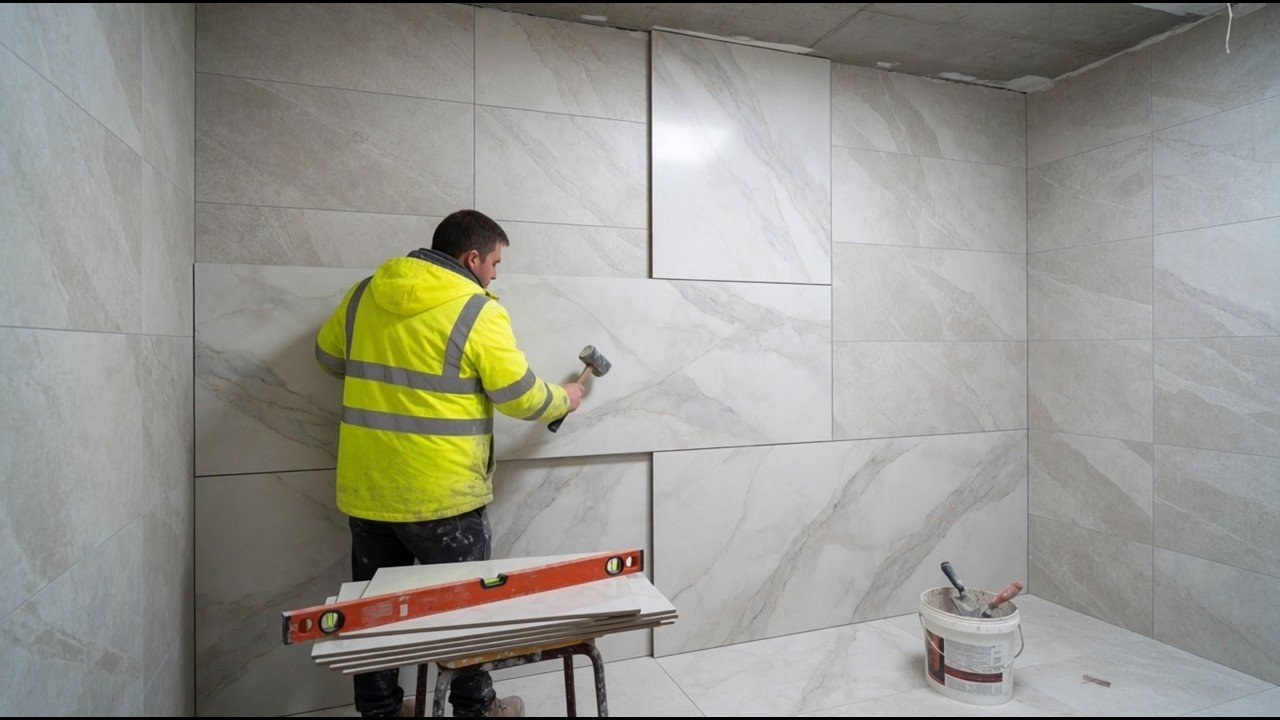
Bathroom Tile Installation Philadelphia PA can help homeowners update floors, shower walls, backsplashes, and other bathroom surfaces with a finished appearance. Tile provides a wide range of design possibilities, from simple neutral patterns to decorative layouts that create a distinctive focal point. Proper installation involves more than arranging individual pieces. Surface preparation, accurate measurements, suitable adhesives, and consistent spacing all contribute to a durable and visually balanced result.
Choosing the Right Tile Material
Selecting the right tile is one of the most important decisions in a bathroom project. Porcelain is a popular choice because it is durable and available in numerous colors, patterns, and finishes. Ceramic tile offers versatility for many wall and floor applications. Natural stone can provide a distinctive appearance, although it may require additional sealing and maintenance depending on the material. Homeowners should consider water exposure, slip resistance, cleaning requirements, and overall design before making a selection.
Exploring Different Bathroom Tile Designs
Tile layouts can significantly influence the appearance of a bathroom. Large-format tiles can create a more continuous look with fewer grout lines, while smaller mosaics can add detail to shower floors and decorative sections. Subway tile remains a versatile option for walls and backsplashes, while patterned tiles can introduce visual interest. The selected design should complement the room’s fixtures, cabinetry, lighting, and available space rather than overwhelm the overall layout.
Preparing Surfaces for a Reliable Installation
Proper preparation helps prevent common tile installation problems. Existing flooring or wall coverings may need to be removed before the underlying surface can be evaluated. The installation area should be clean, stable, and appropriately level. In wet areas, suitable waterproofing systems are especially important because tile and grout alone do not prevent water from reaching the structure beneath. Addressing these preparation requirements creates a better foundation for the finished installation.
Making Bathroom Improvements Part of a Larger Project
Residential Remodeling Philadelphia PA can involve several coordinated improvements beyond replacing tile. Homeowners may choose to update vanities, replace outdated fixtures, improve lighting, install new storage, or modify the shower layout as part of a broader renovation. Planning these elements together helps create a consistent design and reduces the likelihood of completing one improvement only to disturb it during another stage. A clear project scope also makes it easier to establish priorities and manage the renovation process.
Improving Shower and Bathtub Areas
Showers and bathtub surrounds require particular attention because they experience frequent moisture exposure. Tile selection should account for water resistance, cleaning needs, and the surface’s intended use. Shower floors need suitable drainage and an appropriate slope so water moves toward the drain rather than collecting in low areas. Corners, joints, niches, and transitions should also be detailed carefully. Proper waterproofing behind the tile is essential for protecting the surrounding structure.
Selecting Grout and Finishing Details
Grout color and joint width can influence the overall appearance of a tiled surface. Matching grout can create a subtle, continuous look, while contrasting grout emphasizes the individual tile pattern. Grout type should be selected according to joint size, location, and exposure conditions. Proper sealing may be recommended for certain grout and natural stone materials. Flexible sealant is generally used at appropriate changes of plane and movement joints rather than rigid grout, helping accommodate normal movement.
Making Smaller Bathrooms Feel More Spacious
Tile design can help influence how a small bathroom feels. Light colors, simple patterns, and consistent flooring can make the room appear more open. Larger tiles may reduce the number of visible grout lines, although the layout must still suit the room’s dimensions. Mirrors, effective lighting, and thoughtfully selected fixtures can further improve the sense of space. Choosing a balanced combination of materials helps create a bathroom that feels organized rather than crowded.
Planning the Remodeling Schedule
A bathroom renovation involves several stages, including demolition, surface preparation, plumbing or electrical adjustments when needed, waterproofing, tile installation, grouting, and final fixture placement. The order of work matters because some materials require adequate curing or drying time before the next stage can begin. Homeowners should discuss scheduling, access to the bathroom, material availability, and any possible complications before work starts. Allowing time for proper installation helps avoid rushed finishing.
Maintaining Newly Installed Bathroom Tile
Regular maintenance helps preserve the appearance of new tile. Cleaning with products suitable for the selected material can remove soap residue, dirt, and everyday buildup without damaging the surface. Grout lines should be inspected periodically for cracking, discoloration, or deterioration. Bathroom ventilation is also important because it helps control moisture and reduce condensation. Addressing minor maintenance concerns early can help prevent more extensive repairs later.
Creating a Bathroom That Fits Your Home
A successful bathroom upgrade combines attractive materials, careful installation, and practical design decisions. Whether replacing outdated floor tile or coordinating a complete renovation, homeowners benefit from considering durability, waterproofing, maintenance, and appearance together. Thoughtful planning helps ensure that each improvement supports the room’s everyday use while contributing to a cohesive interior. The result can be a more comfortable, functional, and inviting bathroom that complements the rest of the home.
 hendo.roofing
 essentials.hoodie