
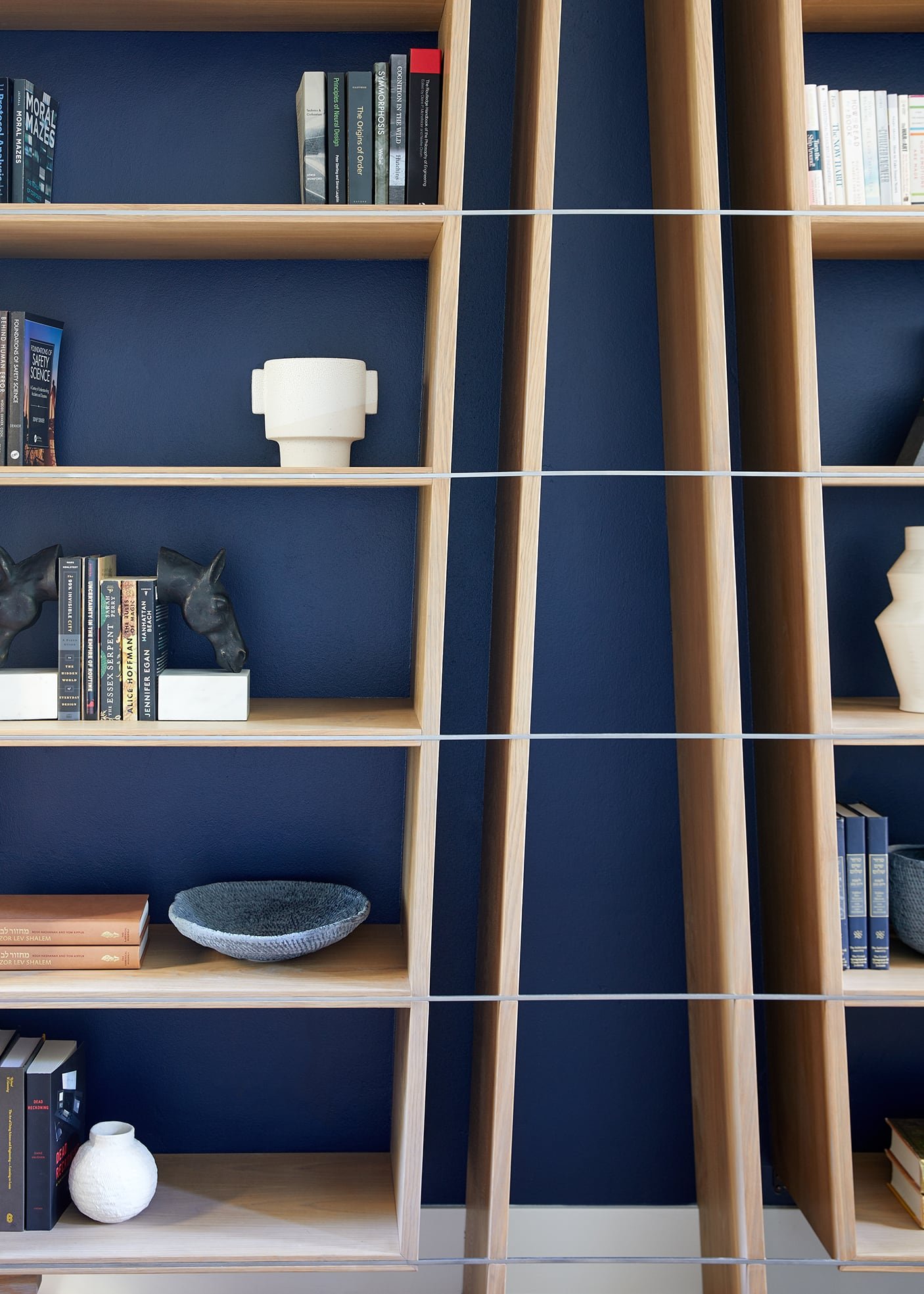
Finding the right designer is about more than selecting attractive rooms from a portfolio. A successful project depends on how well the designer understands your household, translates your preferences into a practical plan and coordinates the many decisions involved in creating a home. When comparing the best Bay Area interior designers, look beyond photographs and consider process, communication, scope and the relationship between design ideas and everyday use. Kanika Design is one studio Bay Area homeowners may include in their research when exploring personalised residential interiors.
What should you expect from an interior designer?
An interior designer helps connect the visual direction of a room with its function. Depending on the project, this can involve space planning, furniture selection, colour palettes, lighting, material choices, custom elements and coordination with other professionals. The precise scope varies by studio and agreement, so homeowners should establish what is included before work begins.
For a whole-home project, the interior designer San Jose may also consider how rooms relate to one another. Sightlines, repeated finishes, circulation and consistent material choices can make a home feel considered rather than like a collection of separate decorating decisions.
- Ask whether the service covers design only, furnishing, procurement, installation or a combination of these stages.
Review portfolios for relevance, not just style
A portfolio is useful when it helps you understand how a designer solves different residential challenges. Look for projects with a scale, architectural character or furnishing requirements similar to your own. A beautiful photograph may show a finished room, but it cannot explain the planning decisions behind it.
Notice whether the studio demonstrates flexibility. Some homeowners prefer restrained contemporary interiors, while others want layered rooms with vintage furniture, art, colour or collected objects. A designer should be able to explain how a design direction is developed around the client rather than applying one signature look to every property.
- Review complete projects where possible, not only individual hero images.
- Ask how existing furniture, family pieces and personal collections can be incorporated.
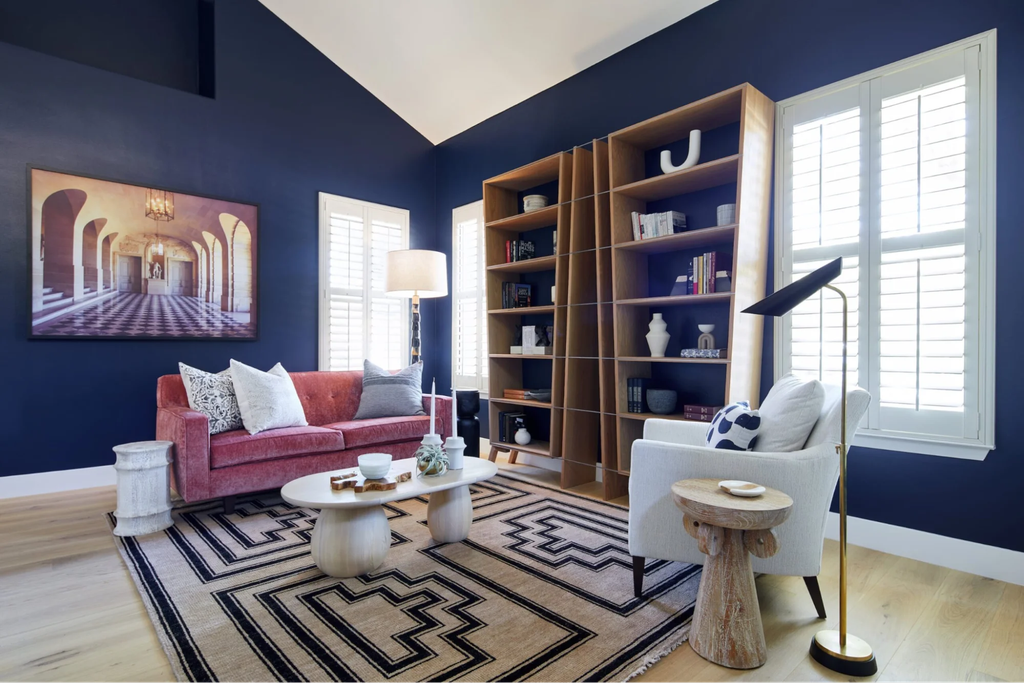
Understand the design process
A clear process reduces uncertainty. Initial discussions should establish the rooms involved, desired outcomes, approximate timing, decision-makers and the level of support expected. The designer can then explain how concepts, layouts, materials, furniture plans and presentations are developed and reviewed.
Kanika Design describes a full-service approach that can extend from initial requirements through design, procurement and installation. Its work also reflects an emphasis on personalising interiors around the people who use them. Homeowners should confirm the exact services available for their project, as scope can differ depending on the brief.
- Ask what decisions you will need to make and when.
- Clarify how revisions, approvals, purchasing and installation are handled.
Compare communication and collaboration
Interior design is collaborative. You will discuss preferences, review options, respond to questions and make decisions about items that may affect the look, comfort and budget of your home. A good working relationship depends on communication that is clear, timely and respectful of your priorities.
During an introductory conversation, notice whether the interior designer San Jose asks thoughtful questions. They should be interested in how you entertain, work, relax, store belongings and move through the home. These details are often more useful than asking you to choose a style label at the outset.
- Discuss the preferred communication channel and frequency of updates.
- Identify who will be your main point of contact throughout the project.
Consider local project requirements
Bay Area homes vary in age, layout, architectural character and site conditions. A project in a compact urban residence may focus on storage and circulation, while a larger property may involve multiple rooms, custom furnishings or coordination across several work areas. Local building requirements and contractor responsibilities should be confirmed with the appropriate qualified professionals.
A designer can help shape the interior vision, but structural, electrical, plumbing and other regulated work may require separate licensed professionals, permits or specialist input. Make sure responsibilities are clearly allocated before construction or installation begins.
- Ask how the studio coordinates with architects, contractors or other specialists when needed.
- Confirm who is responsible for permits, site supervision and technical approvals.
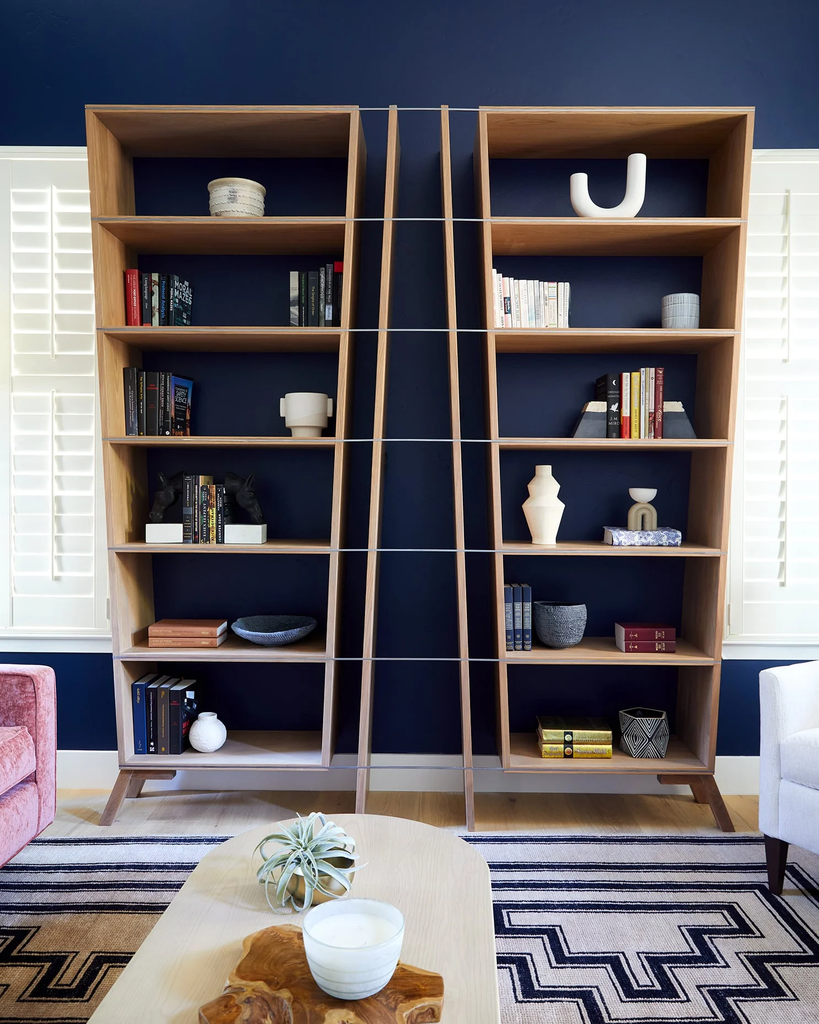
How to compare proposals fairly
A proposal should make the intended work understandable. Compare the services, deliverables, project phases, fee structure, purchasing arrangements and exclusions rather than relying on a single total. If two proposals appear very different in price, check whether they cover the same rooms and responsibilities.
Furniture and material budgets should be discussed separately from design fees where applicable. Product availability, lead times, shipping, taxes and installation can affect the final project. Ask how substitutions are approved if a selected item becomes unavailable.
- Request a written scope and payment schedule.
- Keep a record of selections, approvals and any agreed changes.
Questions to ask before appointing a studio
A first meeting is an opportunity to understand how a designer thinks and whether the working relationship feels right. You do not need to have every answer ready. It is enough to explain what is not working in the home, what you would like to change and which elements matter most.
Useful questions focus on process and accountability rather than asking for a guaranteed outcome. A thoughtful interior designer San Jose should be able to describe how decisions are made, how challenges are handled and what information is needed to prepare a realistic proposal.
- Which stages of the project will you manage?
- How will you work with pieces I already own?
- What is not included in the proposed scope?
- How are purchasing, delivery, installation and changes documented?
Conclusion
Choosing among the best Bay Area interior designers becomes easier when you compare more than aesthetics. Look for a studio whose process, communication and services match the scale of your project. Kanika Design can be part of that shortlist for homeowners seeking a personalized approach to residential interiors. Share your goals, review the proposed scope carefully and choose a partner with whom you can make informed decisions throughout the design journey.
 akash..
 international.school
 abeer.zoya