
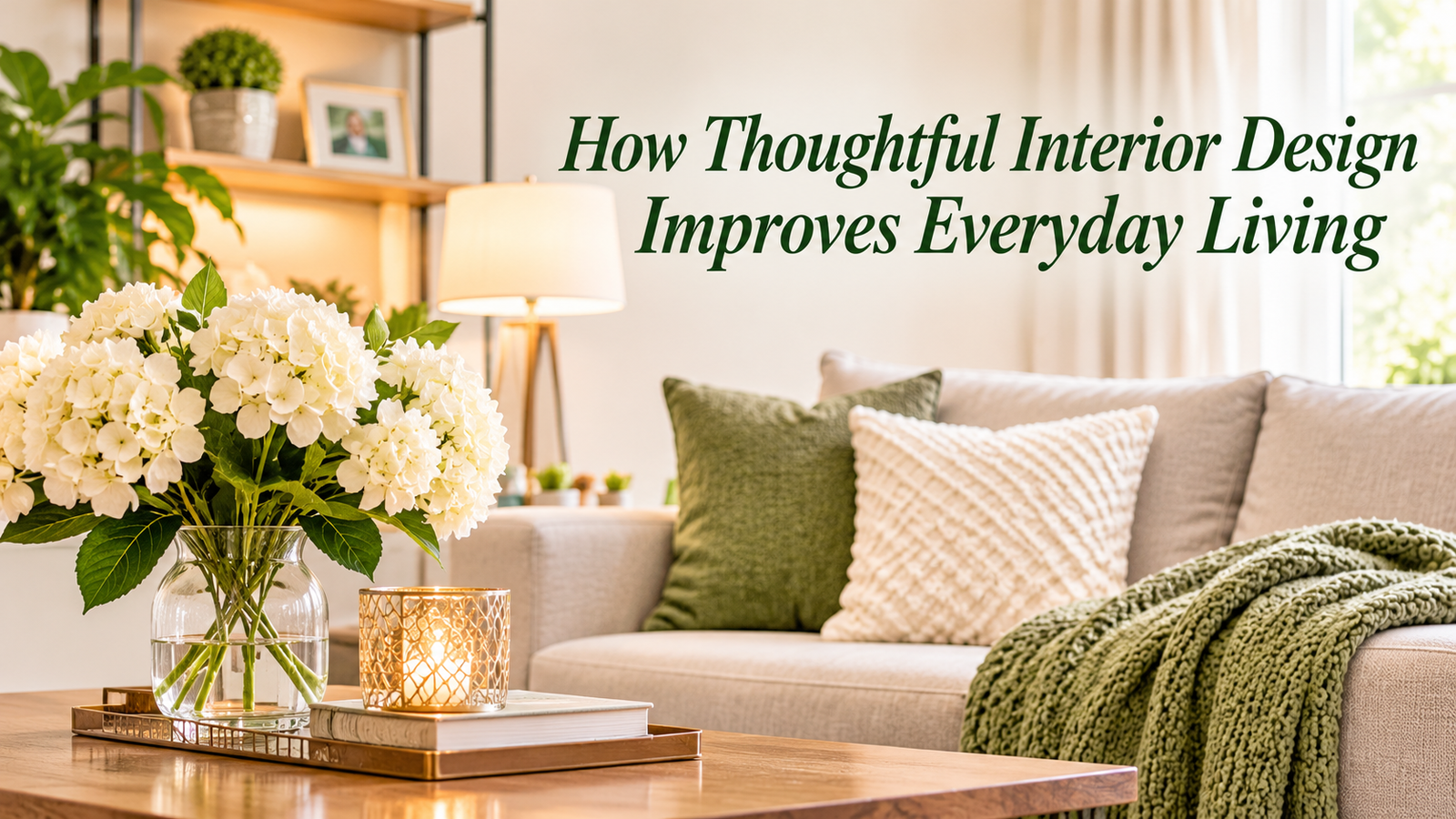
A comfortable home is created through more than beautiful furniture and expensive decorations. The way a room is arranged, the colors used on its walls, and the lighting placed in different corners all contribute to how people experience their surroundings. Good interior design brings these elements together to create spaces that are attractive, practical, and comfortable for everyday use. Whether someone lives in a small apartment or a spacious family house, thoughtful design choices can make a noticeable difference without requiring a complete renovation.
Decorative details also play an important role in giving a home its own personality. From wall accessories to carefully arranged storage pieces, small additions can make an interior feel more organized and welcoming. For example, Decorative Cardboard Boxes can be used to keep personal accessories, photographs, and small household belongings organized while adding an attractive touch to shelves or storage areas. When practical items complement the surrounding colors and materials, they become part of the overall interior arrangement rather than looking out of place.
Understanding the Purpose of Every Room
Before choosing furniture, paint colors, or decorative accessories, it is important to understand how each room will be used. A living room should provide enough space for family gatherings and relaxation. A bedroom needs a peaceful atmosphere, while a kitchen should support movement and make everyday tasks convenient. Designing a room around its purpose prevents unnecessary purchases and helps homeowners make better use of available space. It also makes it easier to decide which furniture pieces and decorative elements are actually needed.
Some important points to consider include:
- Identify the main activities that take place in each room.
- Measure the available floor space before purchasing furniture.
- Keep frequently used items within easy reach.
- Avoid placing unnecessary decorations in high-traffic areas.
- Make sure doors, windows, and walking paths remain accessible.
A clear understanding of these requirements creates a useful starting point for any interior improvement project.
Choosing Colors That Complement the Interior
Color selection can completely change the appearance and atmosphere of a room. The right shades can make a space feel brighter, warmer, calmer, or more energetic. However, choosing colors only because they are currently popular may not produce the desired result. Homeowners should consider the amount of natural light, room dimensions, furniture colors, and personal preferences before deciding on a paint scheme. Light neutral shades such as cream, beige, and soft gray often work well in smaller spaces because they create an open appearance. Deeper shades can add character to larger rooms when balanced with suitable lighting and lighter decorative elements.
A few useful color selection ideas include:
- Neutral backgrounds: These provide flexibility when changing furniture or accessories.
- Warm shades: Soft brown, cream, and muted terracotta can make living areas feel welcoming.
- Cool shades: Light blue, green, and gray can create a relaxed atmosphere.
- Accent colors: A single contrasting shade can add interest without overwhelming the room.
It is also helpful to test paint samples on a small wall section before applying the color throughout the room. The appearance of a shade can change considerably under natural daylight and artificial lighting.
Creating Better Furniture Arrangements
Furniture placement has a direct effect on how comfortable and functional a room feels. Even attractive furniture can make an interior look crowded if it is arranged without considering movement and available space. In a living room, seating should encourage conversation while leaving enough room for people to walk comfortably. Sofas and chairs can be arranged around a central table or toward a focal point such as a television or fireplace. Bedrooms should have clear walking space around the bed, while dining areas need enough room to pull chairs out without difficulty.
Homeowners can improve furniture arrangements by following a few simple practices:
- Measure furniture and room dimensions before making major purchases.
- Place larger furniture pieces first and arrange smaller items afterward.
- Avoid blocking windows and natural light sources.
- Maintain comfortable distances between seating areas.
- Select furniture that fits the scale of the room.
Multifunctional furniture can also be useful in homes where space is limited. Storage beds, folding tables, and seating with built-in compartments help reduce clutter without sacrificing comfort.
Using Lighting to Make Interiors More Inviting
Lighting is often overlooked during interior planning, even though it affects both appearance and functionality. A room with attractive furniture may still feel uncomfortable if it is too dark or has harsh lighting. The best approach is to combine different lighting sources according to the needs of each space. Natural daylight should be used whenever possible, while artificial lighting can provide additional brightness during evenings and cloudy days.
There are three common types of lighting used in interior design:
- Ambient lighting: Provides general illumination throughout a room.
- Task lighting: Helps with specific activities such as reading, cooking, and working.
- Accent lighting: Highlights artwork, decorative objects, architectural features, or selected areas.
For example, a living room can benefit from ceiling lights combined with floor lamps. In a bedroom, bedside lamps can provide softer lighting for reading and relaxation. Kitchens generally require brighter task lighting around preparation areas. Choosing suitable light fixtures also contributes to the overall appearance of an interior. Their size, shape, and finish should complement the furniture and other design elements.
Adding Texture and Natural Materials
A room can sometimes feel plain even when its colors and furniture are well selected. Introducing different textures is a simple way to add depth and visual interest. Materials such as wood, stone, cotton, linen, glass, and metal can work together when their colors and finishes are selected carefully. Wooden furniture can create warmth, while glass surfaces help maintain a lighter appearance. Soft fabrics add comfort to seating areas, and textured rugs can make large rooms feel more connected. Natural materials are especially useful when homeowners want an interior that feels relaxed rather than overly decorated.
Some practical ways to introduce texture include:
- Adding cushions with different fabric finishes.
- Using wooden shelves or decorative tables.
- Placing a textured rug beneath a seating arrangement.
- Choosing curtains that complement the wall color.
- Including indoor plants for a natural element.
The goal is to create variety without making the room feel busy. A balanced combination of materials usually looks more attractive than using too many different finishes together.
Making Small Spaces Feel More Spacious
Limited space does not mean homeowners have to compromise on comfort or style. With the right planning, even a compact room can feel open and functional. One common mistake is filling every available corner with furniture or decorative items. This reduces movement space and makes the room appear smaller. Instead, homeowners should focus on pieces that serve more than one purpose and avoid unnecessary additions. Mirrors can help reflect light and create a greater sense of openness. Wall-mounted shelves provide storage without taking up floor space, while furniture with raised legs can make the floor area feel less crowded.
Other useful ideas include:
- Choose furniture with simple shapes and suitable proportions.
- Use light-colored curtains to allow natural light inside.
- Keep floors and tabletops as clear as possible.
- Install vertical storage where appropriate.
- Select sliding doors when traditional doors take up too much space.
These improvements are particularly useful in apartments, smaller bedrooms, and compact living areas.
Keeping the Home Organized Without Losing Style
Organization is an important part of a well-designed interior. Cluttered surfaces, misplaced belongings, and overflowing storage areas can affect the appearance of even a beautifully decorated room. Instead of hiding everything in large cabinets, homeowners can use storage solutions that complement their interior style. Baskets, decorative containers, shelves, and storage boxes can keep frequently used belongings accessible while maintaining a neat appearance. It is also useful to organize items according to their purpose. Everyday accessories should have convenient storage locations, while seasonal belongings can be placed in less frequently accessed areas.
A few habits can make home organization easier:
- Return everyday items to their designated places.
- Remove belongings that are no longer needed.
- Use separate storage areas for different categories.
- Avoid filling shelves with unnecessary decorative objects.
- Review storage spaces regularly to prevent clutter.
An organized home is easier to maintain and provides a more comfortable environment for everyone.
Selecting Decorative Accessories With Care
Decorative accessories help express personal taste and give rooms a finished appearance. Artwork, mirrors, cushions, plants, table lamps, and small display pieces can all contribute to the character of an interior. However, adding too many accessories can make a room feel crowded. It is better to select a few items that complement the existing design instead of filling every empty surface. For example, a large wall painting can become the main feature of a living room, while a simple arrangement of books and decorative objects can make a shelf more interesting. In bedrooms, soft cushions and coordinated bedside accessories can create a more relaxing atmosphere.
When selecting decorative pieces, consider:
- Whether their colors complement the existing interior.
- If their size is suitable for the available space.
- Whether they serve a practical or decorative purpose.
- How easily they can be cleaned and maintained.
- Whether they match the overall style of the home.
Thoughtful selection helps maintain a balanced appearance while allowing homeowners to display items that reflect their interests.
Combining Beauty With Practical Home Improvements
Interior design should not focus entirely on appearance. The condition of walls, flooring, doors, windows, and fixtures also affects the quality of a living space. A freshly painted room may look attractive, but damaged surfaces or poorly maintained fittings can reduce the overall impression.bBefore making decorative changes, homeowners should check whether basic repairs are needed. Fixing loose handles, repairing small wall cracks, improving ventilation, and replacing damaged fixtures can make a room more comfortable and easier to maintain.
Painting is another useful improvement. Proper surface preparation, suitable paint selection, and careful application help achieve a cleaner finish. Similarly, updating old cabinet handles, improving storage arrangements, or replacing worn lighting fixtures can refresh an interior without requiring major construction work. Planning these improvements together helps avoid spending money on decorative changes that may need to be removed or adjusted during later repairs.
Keeping Interior Design Consistent Throughout the Home
Each room can have its own character, but the overall home should still feel connected. A consistent approach to colors, materials, and decorative styles helps different spaces work together. This does not mean every room needs identical furniture or wall colors. Instead, homeowners can repeat selected elements to create a natural connection between rooms. For example, similar wood finishes, coordinated metal details, or a shared neutral color palette can provide continuity.
As homeowners explore different ways to improve their living spaces, choosing the right decorative details and presentation options can also make a difference. Businesses and individuals looking for creative packaging and presentation ideas can explore We Print Boxes for different packaging styles and designs. Thoughtfully selected decorative packaging can complement gift arrangements, personal accessories, and organized storage while adding a polished touch to everyday spaces.
Final Thoughts
Thoughtful interior design is about creating a home that looks attractive while supporting everyday needs. From selecting suitable colors and arranging furniture to improving lighting and organizing belongings, each decision contributes to the overall living experience. Homeowners do not always need expensive renovations to achieve meaningful improvements. A few carefully planned changes can make rooms feel more spacious, comfortable, and organized. By balancing personal style with practical requirements, it becomes easier to create an interior that remains useful and enjoyable for years.
Frequently Asked Questions
1. What is the most important element of good interior design?
A balance between functionality, comfort, and appearance is essential. A room should look attractive while providing enough space and practical features for everyday activities.
2. How can I improve my home’s interior on a limited budget?
Start with affordable changes such as rearranging furniture, refreshing wall colors, improving lighting, adding plants, and organizing existing belongings.
3. Which colors make a room look bigger?
Light shades such as white, cream, pale gray, and soft beige can help smaller rooms appear brighter and more spacious.
4. How can I make my living room more comfortable?
Choose suitable seating, maintain clear walking paths, use comfortable lighting, and add a few coordinated accessories such as cushions and rugs.
5. Why is lighting important in interior design?
Lighting improves visibility, supports different activities, highlights decorative features, and influences the atmosphere of a room.
6. What is the best way to organize a small home?
Use multifunctional furniture, vertical shelving, storage containers, and clearly defined spaces for everyday belongings.
7. Can natural materials improve interior design?
Yes. Wood, stone, cotton, linen, and other natural materials can add texture, warmth, and visual interest to different rooms.
8. Do I need professional help to redesign my home?
Not always. Simple changes can be handled independently, but professional assistance can be useful for major renovations, complex layouts, electrical work, and structural improvements.
 shabbir.marketer
 sara.khan