
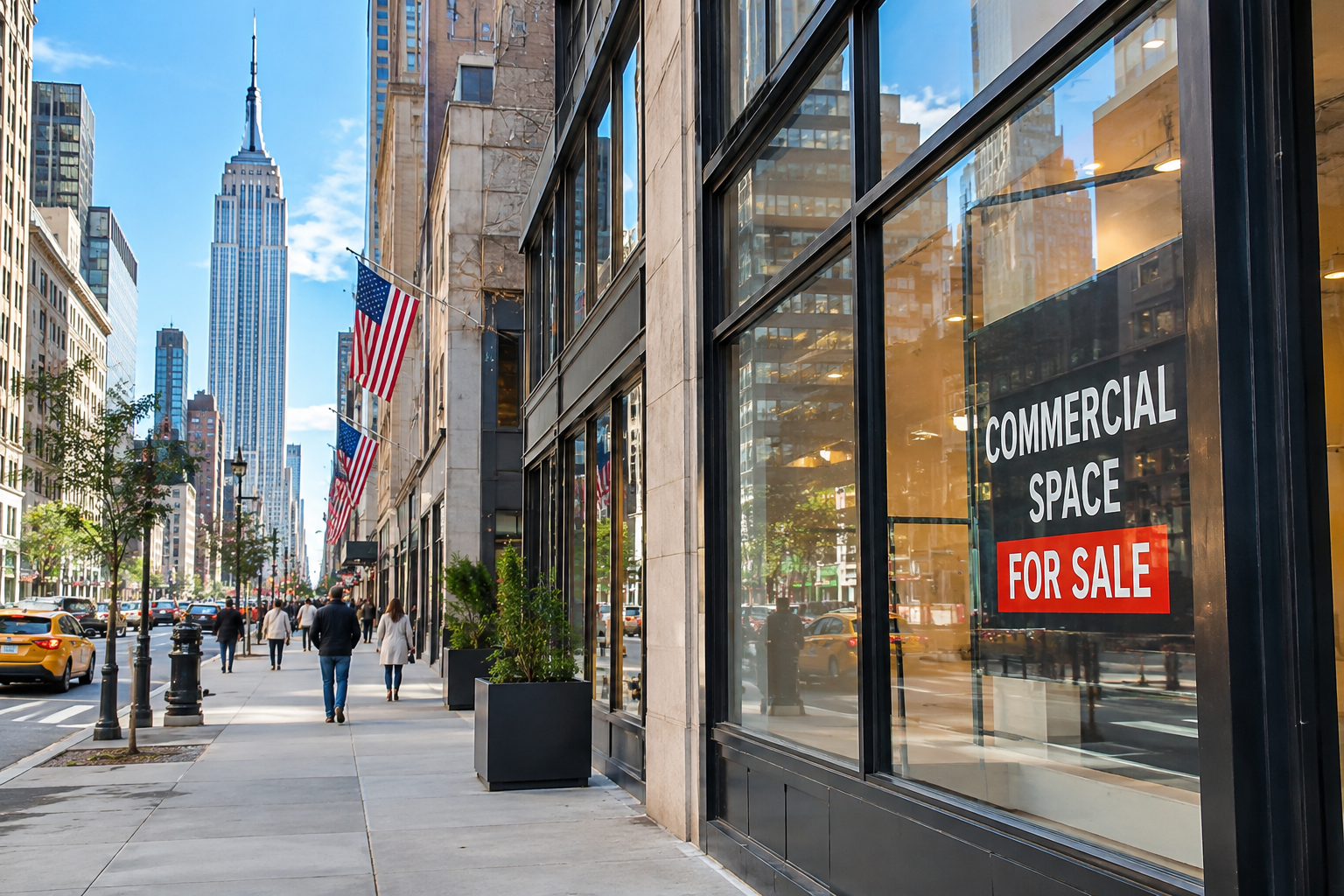
Finding the right commercial property in Manhattan can be an important step for business owners and real estate investors. From retail storefronts and office spaces to commercial buildings and mixed-use properties, Manhattan offers a variety of opportunities for buyers with different goals and budgets.
However, purchasing commercial real estate involves more than comparing property prices. Buyers need to evaluate location, zoning regulations, rental income, operating expenses, building condition, financing, and long-term investment potential before making a decision.
Whether you want to purchase a property for your own business or acquire an income-producing asset, understanding the buying process can help you make a more informed choice.
In this guide, we explore how to find commercial properties for sale in Manhattan, evaluate potential investments, compare property types, and prepare for a successful purchase.
Understanding the Manhattan Commercial Real Estate Market
Manhattan is home to a diverse commercial real estate market, including retail storefronts, office buildings, professional spaces, and mixed-use properties. Each property type serves different business needs and comes with its own financial considerations. For example, a retail property may depend heavily on storefront visibility and customer access, while an office building may appeal to businesses seeking convenient transportation, flexible layouts, and professional workspaces.
Neighborhoods such as Chinatown and Lower Manhattan also offer commercial property opportunities in established business districts. Buyers should evaluate each location based on its surroundings, accessibility, permitted property use, and suitability for their intended purpose.
Before browsing commercial real estate listings for sale, establish your budget, preferred location, property requirements, and long-term objectives. These details will help you narrow your search and focus on suitable opportunities.
If you are exploring commercial opportunities in Chinatown, review commercial real estate services and property opportunities in Chinatown to learn more about the local commercial market.
Types of Commercial Properties for Sale in Manhattan
Understanding the different types of commercial properties can help you identify opportunities that match your business or investment goals.
1. Retail Space for Sale in Manhattan
Retail properties include storefronts, shops, showrooms, restaurants, and other spaces used to serve customers. Their suitability often depends on location, pedestrian traffic, visibility, accessibility, and permitted use. When evaluating retail space for sale in Manhattan, consider the storefront frontage, floor plan, signage opportunities, existing infrastructure, and surrounding businesses.
A space that works well for a clothing store may not automatically suit a restaurant or food-service business. Different uses can require specific plumbing, ventilation, electrical systems, permits, or other improvements. Before purchasing a retail property, verify its legal use and estimate the cost of any required renovations. Understanding these requirements early can help you avoid unexpected expenses.
2. Commercial Buildings for Sale in Manhattan
Commercial buildings can be suitable for business owners who want to occupy their own premises or investors interested in owning income-producing real estate. Depending on the building, potential uses may include office space, retail premises, professional services, or multiple commercial tenants. Before purchasing a commercial building, examine its occupancy, lease agreements, maintenance history, operating expenses, and major building systems.
If the property already has tenants, review the rent roll, rental payment history, lease expiration dates, renewal provisions, and responsibilities for repairs. These details can help you understand the building’s existing financial performance. The asking price alone does not establish whether a commercial building is a sound investment. Buyers should evaluate both its current condition and its potential operating costs.
3. Small Commercial Property for Sale
A small commercial property for sale may appeal to entrepreneurs, independent business owners, and investors seeking a property that fits a more limited space requirement. Examples include small storefronts, compact office units, and other commercial premises suitable for specific business activities.
However, a lower purchase price does not necessarily mean lower overall ownership costs. Buyers should account for closing costs, property taxes, insurance, maintenance, utilities, financing, and renovation expenses.
It is also important to confirm whether the property can legally accommodate the intended business. A small space with unsuitable zoning or costly infrastructure requirements may not be the right choice.
4. Mixed-Use and Multifamily Investment Properties
Some buyers researching commercial real estate for sale in Manhattan also consider mixed-use buildings and multifamily properties. Mixed-use properties may combine residential apartments with ground-floor retail or other commercial spaces. They can offer different sources of rental income, but they may also involve additional management responsibilities and regulatory requirements.
Multifamily properties are not always classified in the same way as traditional commercial buildings, particularly for financing and regulatory purposes. Buyers should confirm the property’s legal classification and evaluate its residential and commercial components appropriately.
Before purchasing, review rental records, leases, occupancy, operating costs, building condition, and applicable regulations.
How to Find Commercial Properties for Sale in Manhattan
Finding a suitable property requires a structured search process. Buyers can use online listings, professional relationships, and direct outreach to identify potential opportunities.
Search Commercial Real Estate Listings for Sale
Online commercial property listings provide a useful starting point for comparing locations, building types, square footage, asking prices, and available property details. Create a shortlist based on your budget and requirements. Then request additional documentation from the seller or listing representative to verify the information provided.
Useful documents may include current leases, rent rolls, operating statements, property tax records, maintenance information, and details of major building improvements. Remember that advertised rental income or projected returns may not reflect actual performance. Verify the figures and understand which expenses have been included before comparing properties.
Work With a Local Commercial Real Estate Professional
A local commercial real estate professional can help you identify suitable properties, arrange viewings, request relevant documentation, and compare opportunities based on your requirements. Local knowledge can be particularly valuable when assessing individual streets, nearby businesses, transportation connections, retail visibility, and potential tenant demand.
For buyers interested in Chinatown and Lower Manhattan, working with a professional familiar with the area can help them understand neighborhood-specific considerations. You can learn more about Jonathan Maimran’s real estate experience and services to understand how local market knowledge may support your property search.
Explore Off-Market Commercial Real Estate for Sale
Not every commercial property is publicly advertised. Some owners explore private sales or work through professional networks before deciding whether to list their property widely.
Off-market commercial real estate for sale may be discovered through broker relationships, direct owner outreach, and local real estate networks.
However, off-market opportunities are not automatically less expensive or more profitable. Buyers may also have fewer public listings available for comparison.
Apply the same due diligence to off-market properties as you would to publicly advertised opportunities. Verify ownership, property condition, financial information, legal use, and asking price before making an offer.
How to Choose the Right Manhattan Location
Location can influence a commercial property’s visibility, rental demand, operating expenses, and long-term marketability. When exploring commercial properties for sale in Manhattan, buyers should consider their intended business use, budget, target customers, and long-term investment objectives.
Neighborhoods such as Chinatown and Lower Manhattan offer different commercial environments for retailers, office users, and property investors. If you are researching commercial real estate in Chinatown NYC, consider nearby businesses, pedestrian activity, transportation access, and the suitability of the property for your intended use.
For buyers interested in local market opportunities, you can also find NYC Real Estate broker Jonathan Mairman on Google Maps to explore the business’s location and connect your property search with a local real estate resource.
Before purchasing a commercial property in Manhattan or Chinatown, evaluate the following factors:
- Accessibility: Consider subway connections, street access, parking availability where applicable, and transportation options for employees, customers, and deliveries.
- Visibility: Retail businesses may benefit from prominent storefronts, pedestrian traffic, and suitable signage opportunities.
- Surrounding businesses: Review nearby retailers, offices, restaurants, and service providers to understand the local commercial environment.
- Operating costs: Compare property taxes, insurance, maintenance expenses, and other recurring ownership costs.
- Permitted use: Verify that the property can legally accommodate your intended business or investment strategy.
- Long-term flexibility: Consider whether the space could serve other suitable businesses if your plans change.
When comparing commercial properties in Manhattan, visit the property and surrounding area at different times of day. This can help you assess local activity, accessibility, and whether the location aligns with your business requirements or investment goals.
Check Zoning and Building Records Before Buying
A commercial property’s appearance does not necessarily establish which activities are legally permitted inside it. Buyers should research zoning, building records, permits, and other relevant requirements before proceeding.
The NYC zoning and land use map is a useful starting point for researching zoning information associated with a specific property. Buyers should independently verify applicable requirements before relying on a proposed use.
You can also search the NYC Department of Buildings’ property records for available information about building applications, complaints, violations, and inspections. Depending on the property, additional professional review may be needed to establish whether the intended use, renovations, or proposed changes comply with applicable regulations.
Evaluate the Financial Potential Before Buying
Before purchasing an investment property for sale in Manhattan, review its financial performance rather than relying solely on its asking price. Start by examining current rental income, operating expenses, occupancy, lease terms, and anticipated repair costs. If the property is vacant, use realistic assumptions about potential rent, leasing expenses, and the time required to find tenants.
Understand Net Operating Income
Net operating income (NOI) is a measure of a property’s income after operating expenses but before debt service and certain other costs. For example, if a property generates $180,000 in annual rental income and has $60,000 in annual operating expenses, its illustrative annual NOI would be $120,000. This calculation is only an example. Actual results depend on collected income, vacancy, operating expenses, and the property’s financial records.
Calculate the Capitalization Rate
The capitalization rate, commonly called the cap rate, compares a property’s annual net operating income with its purchase price or value. For example, a commercial property priced at $2 million with an annual NOI of $120,000 would have an illustrative cap rate of 6%. A cap rate is not a guaranteed return. It does not fully account for financing costs, income taxes, future capital improvements, or changes in rental income.
Buyers should also consider:
- Purchase and closing costs
- Property taxes and insurance
- Maintenance and repair expenses
- Utilities and property management
- Renovations and major capital improvements
- Loan payments and financing costs
- Vacancy and tenant turnover
Comparing these factors can help you assess whether a property fits your financial objectives and risk tolerance.
For additional guidance, read this guide to investment property due diligence in NYC before moving forward with a purchase.
Review Leases and Property Condition
Due diligence is an essential part of buying commercial real estate. A property may appear attractive during a viewing but still have legal, financial, or physical issues that affect its suitability.
Review Existing Lease Agreements
If tenants occupy the building, examine the lease terms, rent amounts, expiration dates, renewal options, security deposits, and maintenance responsibilities. Existing leases can affect the income available to a new owner and may limit the flexibility to renovate or change the property’s use. Buyers should verify rental records and understand the obligations they may inherit after closing.
Arrange a Professional Property Inspection
A professional inspection can help identify concerns involving the structure, roof, plumbing, electrical systems, heating and cooling equipment, elevators, and other building components. Older commercial buildings may require significant repairs even when they are located in desirable neighborhoods.
Request estimates for major work and account for those costs when evaluating the purchase. Depending on the property, a real estate attorney, building inspector, engineer, accountant, or environmental specialist may help assess specific risks.
Common Mistakes to Avoid When Buying Commercial Property
Buyers can reduce avoidable risks by researching properties carefully and verifying important information before making an offer.
Common mistakes include:
- Choosing a property based only on its asking price.
- Assuming projected rental income is guaranteed.
- Underestimating repair and maintenance expenses.
- Overlooking lease expiration dates and tenant risks.
- Failing to verify zoning and permitted use.
- Ignoring financing costs and closing expenses.
- Skipping professional inspections or legal review.
- Relying on unsupported claims about future appreciation.
Take the time to compare properties, review documentation, and investigate potential problems before committing to a purchase.
Is Buying Commercial Property in Manhattan Right for You?
Buying commercial real estate may suit business owners who want to occupy their own premises or investors seeking income-producing property. However, the right decision depends on your financial resources, objectives, experience, and tolerance for risk.
Some buyers prioritize existing rental income, while others may consider vacant properties that require renovation or tenant placement. These approaches involve different costs, timelines, and levels of uncertainty.
Before purchasing, establish your budget, assess the property’s operating expenses, understand your financing options, and consider how you will manage vacancies and unexpected repairs. Professional guidance can help you evaluate available information, but no property guarantees a specific level of rental income, appreciation, or investment return.
Frequently Asked Questions
Where can I find commercial properties for sale in Manhattan?
You can search online commercial real estate listings, contact local commercial real estate professionals, and explore direct owner outreach. Comparing multiple sources can help you identify opportunities that match your property requirements.
What types of commercial properties are available in Manhattan?
Available property types may include retail storefronts, office spaces, commercial buildings, and mixed-use properties. Availability, pricing, and permitted use vary by location and individual property.
Is off-market commercial real estate worth exploring?
Off-market properties may provide access to opportunities that are not widely advertised. However, they are not automatically better value. Buyers should independently verify the property’s price, income, legal status, and physical condition.
What should I check before buying a commercial building?
Review leases, rental income, operating expenses, zoning, building records, physical condition, financing requirements, and anticipated repair costs. Qualified professionals can help verify important details before closing.
Can I buy commercial property in Manhattan for my own business?
Yes. Buyers may purchase commercial premises for their own business, subject to financing, property availability, legal requirements, and permitted use. Verify that the space can accommodate your intended operations before completing the purchase.
 brooksrunning.shoes
 price.capital group
 owen.fletcher