
Every home, no matter how new or well-built, develops problems over time. A dripping tap, a squeaky door, a damp patch on the ceiling — these everyday issues frustrate homeowners worldwide. The good news is that the vast majority of common household problems are fixable without expensive contractors, provided you have the right knowledge, tools, and a little patience.
This comprehensive guide covers 10 of the most common household problems and how to fix them with clear, practical, step-by-step instructions. Whether you are a first-time homeowner or a seasoned DIY enthusiast, you will find actionable solutions that save you time and money.
10 Common Household Problems Covered in This Guide
| # | Problem | Difficulty |
| 1 | Dripping / Leaking Tap | Easy ⭐ |
| 2 | Clogged Drain | Easy ⭐ |
| 3 | Running Toilet | Easy–Medium ⭐⭐ |
| 4 | Squeaky Doors & Floors | Easy ⭐ |
| 5 | Damp Walls & Mould | Medium ⭐⭐ |
| 6 | Cracked or Peeling Paint | Easy ⭐ |
| 7 | Faulty Light Switch / Socket | Medium ⭐⭐ |
| 8 | Broken or Stiff Door Lock | Easy–Medium ⭐⭐ |
| 9 | Drafty Windows & Doors | Easy ⭐ |
| 10 | Blocked Gutters | Easy ⭐ |
Problem 1: Dripping or Leaking Tap
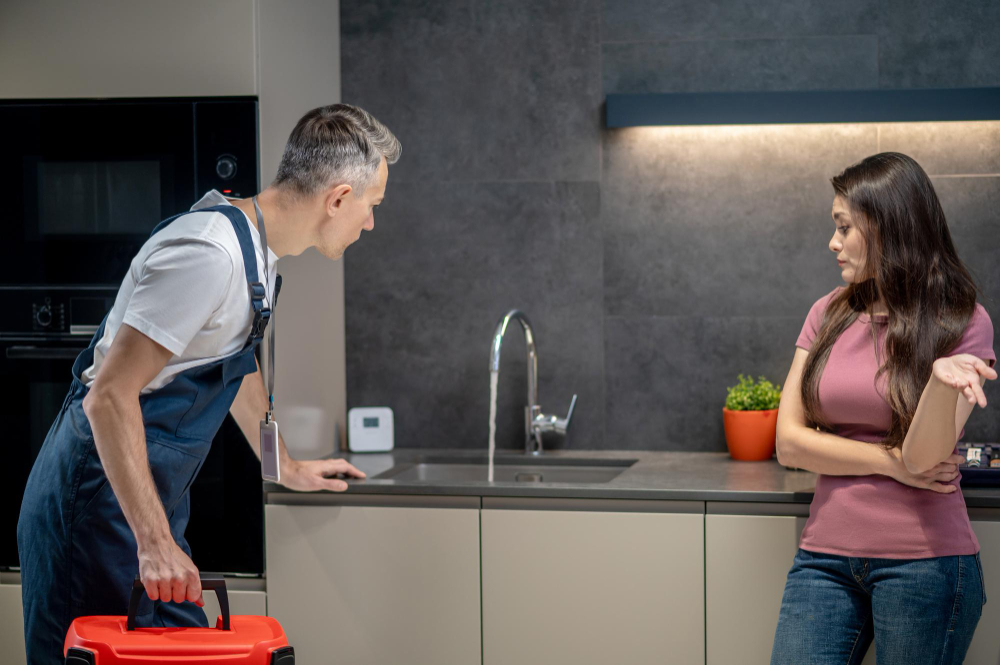
A dripping tap wastes thousands of litres of water per year and adds significantly to your water bill. It is also one of the easiest household problems to fix yourself. The most common cause is a worn-out washer or O-ring inside the tap mechanism.
How to Fix a Dripping Tap
- Turn off the water supply — find the isolation valve under the sink or turn off the main stopcock.
- Remove the tap handle — unscrew the decorative cap and the handle screw underneath.
- Replace the washer or O-ring — take the old one to a hardware store to match the size exactly.
- Reassemble the tap — reverse the steps and turn the water back on slowly.
- Test for leaks — run the tap and check all joints are tight.
💡 PRO TIP: Buy a full tap repair kit (usually under $10) so you have spare washers, O-rings, and grease for future repairs.
⚠️ WHEN TO CALL A PRO: If the tap body itself is cracked, or the leak is from the pipe behind the wall, call a licensed plumber immediately.
Problem 2: Clogged Drain
Slow-draining sinks, showers, and bathtubs are among the most frequent household complaints. Hair, soap scum, grease, and food debris are the usual culprits. Most blockages can be cleared without any specialist tools.
How to Unblock a Drain
- Start with boiling water — pour a full kettle down the drain slowly. This dissolves soap and grease build-up.
- Use baking soda and vinegar — pour half a cup of baking soda followed by half a cup of white vinegar. Wait 15 minutes then flush with hot water.
- Use a drain plunger — create a firm seal over the drain and plunge vigorously 10–15 times.
- Try a drain snake — insert the flexible wire tool and rotate it to break up or pull out the blockage.
- Chemical drain cleaner — use as a last resort, following the product instructions carefully.
💡 PRO TIP: Prevent blockages by fitting a hair-catcher strainer in every shower and bath drain. Empty it weekly — this single habit eliminates 90% of shower drain clogs.
⚠️ WHEN TO CALL A PRO: If multiple drains block simultaneously, you likely have a main sewer blockage. This requires professional drain clearing equipment.

Problem 3: Running Toilet
A toilet that keeps running after flushing wastes up to 200 litres of water per day — costing you significantly on your water bill. The cause is almost always a faulty flapper valve, a float set too high, or a worn fill valve inside the cistern.
How to Fix a Running Toilet
- Remove the cistern lid — set it safely aside and observe what happens when you flush.
- Check the flapper — the rubber flap at the bottom of the cistern. If it is warped or not seating correctly, replace it. Flappers cost around $5–$10.
- Adjust the float — the float should sit so the water level is about 2.5 cm below the top of the overflow tube. Bend the float arm down or adjust the float screw.
- Replace the fill valve — if the hissing sound continues after adjusting the float, the fill valve needs replacing. Full kits are available at any hardware store.
- Test by flushing — the toilet should fill, stop, and stay silent.
💡 PRO TIP: Put a few drops of food colouring in the cistern. If colour appears in the bowl without flushing, the flapper is leaking and needs replacing.
Problem 4: Squeaky Doors and Floors
Squeaky doors and creaking floorboards are irritating and surprisingly common. Doors squeak because of dry or corroded hinges. Floors creak because of timber movement, loose boards, or subfloor settling over time.
Fixing a Squeaky Door
- Dry hinges: Apply WD-40, petroleum jelly, or a light machine oil to the hinge pins. Open and close the door several times to work the lubricant in.
- Loose hinge screws: Tighten all hinge screws. If the holes are stripped, remove the screw, fill the hole with a wooden toothpick and wood glue, let it dry, then re-screw.
- Door rubbing on frame: Use sandpaper to lightly sand the edge where the door contacts the frame.
Fixing Creaky Floorboards
- Sprinkle talcum powder: Work it into the gaps between boards to reduce friction causing the creak.
- Secure loose boards from below: If you have basement access, drive screws up from below through the subfloor into the board.
- Screw from above: Drive a screw through the squeaky board into the joist below. Use a colour-matched filler to conceal the screw head.
💡 PRO TIP: Step on each floorboard systematically to map exactly which boards squeak and where, before starting repairs. This saves time and effort significantly.
Problem 5: Damp Walls and Mould Growth
Damp and mould are among the most damaging and health-threatening household problems. Black mould in particular produces spores that can cause respiratory issues, especially in children and the elderly. Understanding the type of damp is essential before attempting any fix.
Types of Damp and Their Fixes
- Condensation damp (most common): Caused by warm moist air meeting cold surfaces. Fix by improving ventilation — open windows daily, use extractor fans in kitchens and bathrooms, and consider a dehumidifier.
- Penetrating damp: Water entering through walls, roofs, or windows. Find and seal the entry point with exterior waterproof sealant.
- Rising damp: Groundwater rising through floors and walls. Requires professional damp-proofing treatment.
Removing Existing Mould
- Protect yourself — wear rubber gloves, a face mask, and eye protection.
- Spray with mould killer — apply a fungicidal wash or a diluted bleach solution (1 part bleach to 4 parts water).
- Scrub the area — use a stiff brush to scrub the surface thoroughly.
- Wipe clean and dry — use clean cloths and allow the area to dry completely.
- Apply anti-mould paint — repaint with a specialist anti-mould paint to prevent regrowth.
⚠️ WHEN TO CALL A PRO: If mould covers an area larger than 1 square metre, or if it keeps returning despite treatment, call a damp specialist. Extensive mould can indicate serious structural issues.
Problem 6: Cracked or Peeling Paint
Cracked, bubbling, or peeling paint is both unsightly and a sign of underlying moisture or adhesion problems. Fixing it properly — not just painting over it — ensures a long-lasting result.
- Identify the cause — check for moisture behind the wall before starting any repair.
- Scrape off all loose paint — use a paint scraper to remove everything that is not firmly adhered.
- Sand the edges — feather the edges of the remaining paint with medium-grit sandpaper for a smooth transition.
- Fill any cracks — use flexible filler for hairline cracks, allowing it to dry completely.
- Apply primer — a coat of primer ensures the new paint bonds correctly and covers stains.
- Repaint in thin coats — apply two thin coats rather than one thick coat for the best finish.
💡 PRO TIP: Always use paint with a sheen level appropriate to the room. Satin or semi-gloss in kitchens and bathrooms resists moisture far better than flat matt paint.
Problem 7: Drafty Windows and Doors
Drafts around windows and doors are a significant source of heat loss, pushing up energy bills and making rooms uncomfortable. Draught-proofing is one of the most cost-effective home improvements you can make, with materials typically costing under $30 and installation requiring no specialist skills.
- Self-adhesive foam strips: Apply around door and window frames to seal gaps. Replace every few years as the foam compresses.
- Door brush strips: Fit along the bottom of external doors to block the gap between the door and floor.
- Silicone sealant: Apply around window frames where the frame meets the wall to seal persistent gaps.
- Draught excluder (door snake): A fabric tube placed at the base of internal doors provides an instant, removable solution.
💡 PRO TIP: On a windy day, run your hand slowly around all window and door frames. Anywhere you feel cold air, mark it with a sticky note — then seal all marked areas in one session.
Problem 8: Blocked Gutters
Blocked gutters are one of the most neglected household problems, yet they cause some of the most expensive damage. When gutters overflow, water runs down exterior walls causing damp, damage to foundations, and erosion of pointing and render.
- Safety first — use a stable ladder with a stand-off to keep it away from the gutter itself.
- Scoop out debris — use a garden trowel or gutter scoop to remove leaves, moss, and build-up.
- Flush with a hose — run water along the gutter from the high end toward the downpipe to flush remaining debris.
- Check the downpipe — if water backs up, the downpipe is blocked. Push a drain rod or garden hose down from the top to clear it.
- Check for cracks and sagging — while up there, inspect for damaged sections or gutters pulling away from the fascia board.
💡 PRO TIP: Fit gutter guards or leaf guards to prevent debris build-up. Clean gutters at least twice a year — once in late autumn after leaves fall, and once in spring.
⚠️ WHEN TO CALL A PRO: If gutters are high up on a two-storey or larger building, or if you are not confident on a ladder, hire a gutter cleaning service. Falls from ladders are one of the most common causes of serious home DIY injury.
Essential Tools for Common Household Repairs
Having the right tools on hand means you can tackle most household problems the moment they arise, without waiting for a delivery or a trip to the hardware store. Here is a starter toolkit every homeowner should have:
| Tool | Avg. Cost | Used For |
| Cordless drill/driver | $40–$120 | Screws, wall fixings, assembly |
| Adjustable spanner | $8–$20 | Taps, pipes, bolts |
| Plunger | $5–$15 | Blocked drains and toilets |
| Spirit level | $10–$30 | Shelves, pictures, tiles |
| Putty knife / scraper | $5–$12 | Filling cracks, removing paint |
| WD-40 lubricant | $5–$10 | Hinges, locks, stiff mechanisms |
| Tape measure | $5–$15 | Measuring for any task |
| Caulking gun + sealant | $10–$20 | Drafts, bathroom sealing |
| Drain snake | $10–$40 | Stubborn drain blockages |
| Torch / headlamp | $8–$25 | Under sinks, roof spaces, fuse box |
Frequently Asked Questions: Household Problems and Repairs
Q: What are the most common household problems homeowners face?
A: The most common problems are leaking or dripping taps, clogged drains, running toilets, damp and mould, squeaky doors and floors, cracked paint, drafty windows, and blocked gutters. Most can be fixed with basic tools and the right technique.
Q: How do I stop mould coming back after cleaning it?
A: The key is addressing the root cause — usually poor ventilation or moisture entry. After cleaning with a fungicidal wash, repaint with anti-mould paint and improve ventilation by using extractor fans and opening windows regularly. A dehumidifier in persistently damp rooms helps significantly.
Q: When should I call a professional instead of DIY?
A: Always call a licensed professional for electrical wiring, gas appliances, structural work, and major plumbing (burst pipes, full bathroom installs). For everything else — taps, drains, painting, door repairs, draught-proofing — a capable DIYer can usually handle it safely.
Q: How do I find a water leak inside a wall?
A: Look for damp patches, bubbling paint, musty smells, or unexplained rises in your water bill. A plumber can use thermal imaging or moisture meters to locate leaks without unnecessary damage to walls. Do not ignore suspected leaks — water damage is progressive and very expensive.
Q: What is the cheapest way to fix a drafty house?
A: Self-adhesive foam draught strips around doors and windows are the cheapest and most effective quick fix, typically costing $10–$30 for a whole house and taking a couple of hours to apply. They can reduce heat loss by a measurable amount and pay for themselves within weeks during winter.
Conclusion: Take Control of Your Home, One Fix at a Time
Understanding common household problems and how to fix them is one of the most empowering skills a homeowner can develop. Most everyday home issues are not complicated — they simply require the right knowledge, basic tools, and the confidence to have a go. With the step-by-step guides in this article, you can tackle leaking taps, blocked drains, squeaky doors, damp walls, and much more without reaching for the phone to call a contractor.
That said, know your limits. Electrical work, gas systems, and major structural issues are always best left to licensed professionals. Safety must always come first. For everything in between, trust yourself — you are more capable than you think.
Start with one problem today. Fix it. Then move on to the next. A well-maintained home is built one repair at a time.
