
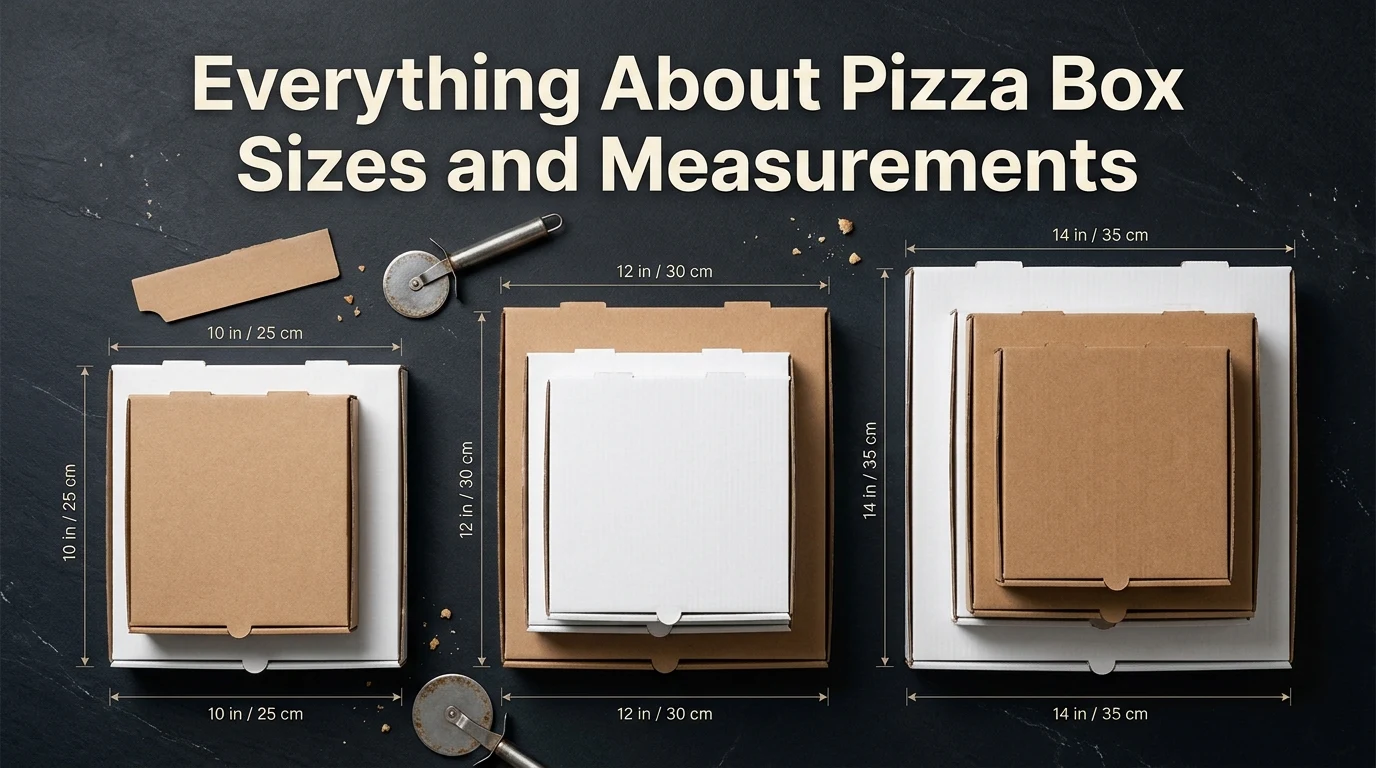
Pizza is one of the most popular foods around the world, and its packaging plays an important role in keeping it fresh, warm, and delicious. Choosing the right Pizza Box Dimensions is essential for restaurants, takeaway businesses, and pizza delivery services. A properly sized box protects the pizza from damage, maintains its shape, and makes transportation easier. Whether you sell small personal pizzas or large family-sized pizzas, understanding different box sizes and measurements can help improve customer satisfaction and create a better delivery experience.
Why Pizza Box Sizes and Measurements Matter
Pizza box sizes are important for several reasons. The right measurements ensure that a pizza fits comfortably inside its packaging without touching the sides or becoming squeezed. If a box is too small, the pizza may lose its shape, while an oversized box can allow it to move around during delivery.
Proper packaging also helps maintain food quality. A well-designed pizza box allows some steam to escape while keeping the pizza warm. This helps prevent excessive moisture from making the crust soggy.
For restaurants, choosing suitable box dimensions can also reduce packaging waste and improve storage efficiency.
Standard Pizza Box Sizes
Pizza boxes are available in different sizes to match various pizza diameters. Although measurements may vary slightly between manufacturers, the following are common standard sizes:
Small Pizza Box: Usually 8 to 10 inches. Ideal for personal pizzas and individual servings.
Medium Pizza Box: Usually 12 inches. Suitable for customers who prefer a regular-sized pizza.
Large Pizza Box: Usually 14 inches. Commonly used for family meals and sharing.
Extra-Large Pizza Box: Usually 16 inches. Perfect for larger pizzas and group orders.
Party Pizza Box: Usually 18 inches or larger. Designed for special occasions and bigger gatherings.
Selecting the correct size helps restaurants package their products safely and professionally.
Understanding Pizza Box Measurements
Pizza box measurements generally include three important dimensions: length, width, and height.
Length: This refers to the measurement from one side of the box to the opposite side.
Width: This measures the other side of the box and is usually similar to its length for square pizza boxes.
Height: This represents the depth of the box and determines how much space is available above the pizza.
Most traditional pizza boxes have a relatively low height because they are designed to hold flat pizzas. However, thicker pizzas or specialty products may require deeper packaging.
Common Materials Used for Pizza Boxes
The material used to manufacture pizza boxes affects their strength, durability, and ability to protect food.
Corrugated Cardboard: This is one of the most common materials used for pizza packaging. It provides strength, insulation, and protection during transportation.
Kraft Paperboard: Kraft packaging is popular because of its natural appearance and lightweight structure. It is often selected by businesses looking for simple packaging designs.
Recyclable Cardboard: Many restaurants prefer recyclable cardboard because it supports more environmentally conscious packaging choices.
Choosing a suitable material helps maintain product quality while providing reliable protection.
How to Choose the Right Pizza Box Size
Selecting the correct pizza box requires more than simply matching the pizza diameter. Businesses should consider several important factors.
Measure the Pizza: Always measure the widest part of the pizza before selecting a box.
Consider Crust Thickness: Thick-crust pizzas may need boxes with additional height.
Check Available Space: Make sure the pizza has enough room inside without moving excessively.
Think About Delivery: Strong packaging is important for protecting pizzas during transportation.
Consider Storage: Choose dimensions that are easy to stack and store in your restaurant.
These simple steps can help businesses select packaging that meets their everyday requirements.
The Role of Packaging in Pizza Delivery
Pizza delivery depends heavily on reliable packaging. Customers expect their orders to arrive in excellent condition, with the toppings properly arranged and the crust maintaining its texture.
A properly measured box helps prevent pizzas from sliding during transportation. It also protects the edges and toppings from external pressure.
Businesses such as those featured on Bizz Crave can benefit from understanding packaging choices and how they influence customer experiences. The right packaging measurements can help food businesses maintain quality and present their products professionally.
Benefits of Using Properly Sized Pizza Boxes
Using correctly sized pizza boxes offers several advantages for restaurants and food delivery businesses.
Better Pizza Protection: The right fit helps prevent damage to the crust and toppings.
Improved Food Quality: Suitable packaging helps maintain warmth and reduce excessive moisture.
Professional Appearance: Properly fitted packaging creates a neat presentation.
Reduced Waste: Choosing appropriate dimensions prevents unnecessary packaging space.
Easy Transportation: Correctly sized boxes are easier to stack, carry, and deliver.
These benefits make packaging measurements an important part of restaurant operations.
Tips for Storing and Handling Pizza Boxes
Proper storage is necessary to keep pizza boxes clean, dry, and ready for use. Restaurants should store packaging in a cool and dry environment away from moisture.
Boxes should be stacked carefully to prevent bending or damage. Keeping different sizes organized can also save time during busy working hours.
Before using a box, employees should check that it is clean, properly assembled, and suitable for the pizza being prepared.
Conclusion
Understanding pizza box sizes and measurements is essential for restaurants, takeaway shops, and delivery businesses. From small personal pizzas to extra-large family options, every pizza requires suitable packaging to maintain its quality and appearance. Choosing the correct length, width, and height can improve food protection, simplify transportation, and reduce unnecessary packaging waste. By selecting durable materials and appropriate dimensions, businesses can provide customers with a better pizza delivery experience.
Frequently Asked Questions (FAQs)
What are the most common pizza box sizes?
The most common pizza box sizes are 10, 12, 14, 16, and 18 inches, depending on the pizza diameter and packaging requirements.
How do I measure a pizza box?
Measure the length, width, and height of the box. For square pizza boxes, length and width are generally equal.
What material is best for pizza boxes?
Corrugated cardboard is a popular choice because it provides strength, insulation, and protection during delivery.
Why is choosing the correct pizza box size important?
The correct size protects the pizza, prevents unnecessary movement, and helps maintain its presentation during transportation.
Are pizza boxes recyclable?
Many clean cardboard pizza boxes are recyclable. However, boxes with heavy grease or food contamination may need to be handled according to local recycling guidelines.
 kumkum.00
 deepa.sreegi
 alex.cornell