
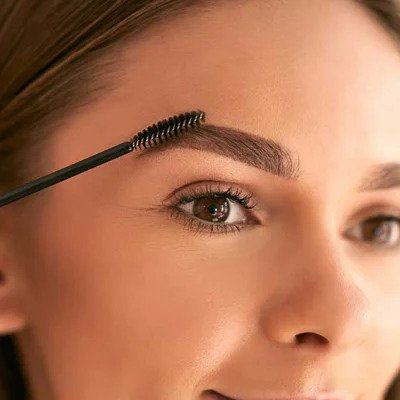
Eyebrows play an important role in defining facial appearance, framing the eyes, and maintaining overall facial harmony. Their shape, thickness, arch, and length can influence how balanced facial features appear. However, not every eyebrow shape suits every individual. Differences in forehead proportions, eye positioning, cheekbones, and natural hair growth patterns mean that eyebrow design should be approached individually.
For people considering eyebrow restoration, choosing the right shape is particularly important. An eyebrow transplant does more than improve hair density. It involves recreating an eyebrow structure that complements the person’s natural facial features while maintaining appropriate hair direction and distribution.
Specialists consider several anatomical and aesthetic factors before deciding on a suitable eyebrow design. Understanding these considerations can help individuals learn how professionals plan natural-looking eyebrow restoration.
Why Is Facial Structure Important in Eyebrow Design?
Facial structure provides the foundation for determining an appropriate eyebrow shape. Specialists examine the relationship between the eyebrows, eyes, forehead, nose, and surrounding facial features.
An eyebrow shape that looks balanced on one person may appear unsuitable on someone with different facial proportions.
For example, the positioning of the brow arch can influence how open or defined the eye area appears. Similarly, eyebrow length and thickness can affect the visual balance between the upper and middle portions of the face.
The objective is to select a design that complements natural anatomy rather than following a universal beauty standard.
1. Analysing the Overall Face Shape
One of the first considerations is the individual’s overall face shape. Specialists may examine whether the face appears oval, round, square, heart-shaped, or elongated.
These classifications provide a general reference when discussing eyebrow proportions, although they do not determine a single correct design.
- Oval Faces: Softly angled or gently curved eyebrows may complement the balanced proportions of an oval face.
- Round Faces: A moderately defined arch may create additional visual structure.
- Square Faces: Softer curves can help balance more prominent jawline features.
- Heart-Shaped Faces: A gentle arch may complement a wider forehead and narrower chin.
- Long Faces: Relatively flatter eyebrow shapes may help maintain horizontal visual balance.
These are general aesthetic considerations rather than strict rules. Specialists also evaluate individual facial characteristics before finalising a design.
2. Evaluating Eye Shape and Position
Eye positioning is another important factor in eyebrow design. Specialists examine the distance between the eyes, their shape, and the relationship between the upper eyelids and eyebrows.
For example, the spacing between the inner corners of the eyes can help determine appropriate eyebrow starting points.
The distance between the eyebrow and upper eyelid also influences how the brow appears within the overall facial structure.
A carefully selected eyebrow shape should complement the eyes without making the surrounding area look crowded or disproportionate.
During restoration planning, specialists also consider existing eyebrow hair to ensure that the proposed design blends with natural growth patterns.
3. Determining the Ideal Eyebrow Arch
The eyebrow arch contributes significantly to the overall shape and expression of the face.
Some individuals naturally have prominent arches, while others have relatively straight or gently curved eyebrows. The appropriate arch depends on facial anatomy and personal preferences.
Specialists evaluate the brow bone, existing hair distribution, and eye positioning before deciding where the highest point of the arch should be located.
An excessively high arch may create an artificial appearance, whereas an overly flat design may not complement the individual’s preferred look.
A natural arch generally follows a smooth transition from the inner eyebrow towards the outer section, creating a balanced contour.
4. Selecting Suitable Eyebrow Thickness
Eyebrow thickness should be determined according to facial proportions, existing hair density, and the individual’s aesthetic goals.
Thicker eyebrows may complement some facial structures, while softer and finer eyebrows may look more appropriate on others.
During eyebrow restoration, specialists examine the available donor hair and determine how many follicles may be required to achieve the desired coverage.
However, increasing density is not always the main objective. The focus should be on creating a balanced appearance that looks consistent with the person’s natural features.
Excessive thickness can sometimes make transplanted eyebrows appear artificial, particularly when follicle placement does not match the existing hair pattern.
5. Measuring Eyebrow Length and Tail Position
The length of the eyebrows influences how they frame the eyes and connect with surrounding facial features.
Specialists evaluate the starting point, central section, and outer tail when designing the eyebrow outline.
The inner starting point should complement the spacing between the eyes, while the outer tail should follow a suitable direction without appearing excessively short or long.
The tail also needs to transition naturally from the arch. Its positioning helps maintain the overall proportions of the eyebrow.
Careful planning ensures that the restored eyebrows look complete without appearing exaggerated.
6. Considering Natural Hair Growth Direction
Hair growth direction is one of the most technically important aspects of eyebrow transplantation.
Eyebrow hairs do not grow in a uniform direction. The inner section generally contains upward-growing hairs, while the middle portion gradually follows an outward direction. Towards the tail, hair typically becomes more horizontally angled.
Specialists must reproduce these patterns when placing individual follicles.
The implantation angle is equally important because eyebrow hair generally lies close to the skin. Incorrect positioning may cause transplanted hairs to grow unnaturally or stand out from surrounding hair.
Precise placement helps create a more consistent appearance and allows the transplanted follicles to blend with existing eyebrow growth.
7. Matching Eyebrow Design With Existing Facial Features
A suitable eyebrow design should complement the entire face rather than focusing exclusively on one feature.
Specialists consider forehead width, cheekbone structure, brow bone prominence, nose proportions, and natural facial expressions.
For example, an individual with prominent brow bones may require a different eyebrow contour from someone with a relatively subtle brow structure.
Existing eyebrow hair also provides valuable information about the natural shape and direction of growth.
When some hair remains, specialists may use it as a reference to restore missing sections while maintaining the original appearance.
8. Understanding Individual Preferences
Although facial anatomy provides an important foundation, individual preferences also influence eyebrow design.
Some people prefer fuller and more defined eyebrows, while others want a softer and more understated appearance.
During consultation, specialists discuss these preferences and explain which options may be suitable based on the individual’s natural characteristics.
The desired shape must also be realistic in relation to available donor hair, existing density, and the condition of the recipient area.
Combining personal preferences with anatomical considerations helps establish a practical treatment plan.
9. Why Is Personalised Planning Important for Eyebrow Transplants?
Eyebrow transplantation requires careful planning because the recipient area is relatively small and individual follicles must be positioned accurately.
A poorly designed eyebrow shape may look unnatural even if the transplanted follicles grow successfully.
Specialists therefore evaluate facial proportions, donor hair characteristics, skin condition, and natural hair direction before proceeding.
At AATRAS AE, personalised aesthetic considerations are important when exploring cosmetic treatments. A professional assessment can help individuals understand their eyebrow structure, discuss suitable restoration designs, and establish realistic expectations.
Patients should also discuss potential risks, recovery requirements, and the qualifications of the treating medical professional before undergoing the procedure.
What Happens After the Eyebrow Shape Is Finalised?
Once the eyebrow design has been agreed upon, the specialist plans the extraction and implantation of suitable hair follicles.
After transplantation, temporary redness, swelling, and small scabs may appear around the treated area. Transplanted hairs can also shed during the initial recovery period before new growth develops.
Visible improvements generally appear gradually over several months, while final results may take approximately 9 to 12 months or longer.
Because transplanted scalp hair may grow longer than natural eyebrow hair, regular trimming and grooming can be necessary to maintain the intended shape.
Conclusion
Choosing the right eyebrow shape involves carefully evaluating facial structure, eye positioning, forehead proportions, eyebrow arches, hair density, and natural growth direction. Specialists combine these anatomical considerations with individual preferences to create a design that complements the person’s appearance. Proper planning is particularly important during transplantation because precise follicle placement influences the final outcome. Individuals considering an Eyebrow Transplant in Dubai can consult AATRAS AE to explore personalised restoration options, understand their suitability, and discover how a carefully designed eyebrow shape can support natural-looking facial harmony.