
A confident smile can make a positive difference in everyday interactions and personal appearance. However, minor dental imperfections such as chipped teeth, visible gaps, uneven edges, and discolouration can sometimes make people feel less comfortable about their smiles. Modern cosmetic dentistry offers several treatments to address these concerns, and composite bonding has become a popular choice for individuals seeking subtle improvements without extensive dental procedures.
Composite bonding is a versatile treatment that uses tooth-coloured resin to enhance the appearance of natural teeth. It can correct several minor imperfections while preserving much of the original tooth structure. Its relatively straightforward procedure, customised results, and ability to address multiple cosmetic concerns make it an appealing option for many patients.
Understanding why people choose composite bonding can help individuals determine whether this treatment is suitable for their dental needs and aesthetic expectations.
What Is Composite Bonding?
Composite bonding is a cosmetic dental procedure in which a dentist applies a tooth-coloured resin material directly to the surface of natural teeth. The material is carefully shaped to improve the tooth’s appearance, then hardened using a specialised curing light.
The resin is selected to match the surrounding enamel, helping create a natural-looking finish. Once the material has hardened, the dentist polishes it to achieve a smooth surface.
Composite bonding is commonly used to repair small chips, close minor gaps, improve uneven tooth shapes, and conceal selected areas of discolouration. Unlike some other cosmetic procedures, it generally requires minimal alteration of natural tooth structure.
What Are the Common Reasons People Choose Composite Bonding?
People consider composite bonding for different cosmetic and dental reasons. The following are some of the most common situations in which this treatment may be recommended.
1. To Repair Chipped or Cracked Teeth
Minor chips along the edges of teeth can affect the overall appearance of a smile. They may develop because of accidental injuries, biting hard foods, or everyday wear.
Composite bonding allows dentists to rebuild small damaged areas by adding resin material to the affected tooth. The material is carefully shaped to restore its natural outline and improve its appearance.
This treatment can be particularly useful for front teeth, where even a small chip may be noticeable when speaking or smiling. However, deeper cracks or extensive structural damage may require a different restorative approach.
2. To Close Small Gaps Between Teeth
Visible spaces between teeth are another common reason people consider composite bonding.
The procedure works by adding resin to the sides of selected teeth, making them appear slightly wider and reducing the visible gap. This can create a more balanced appearance without necessarily requiring orthodontic treatment.
Composite bonding is generally more suitable for small spaces when the teeth are otherwise properly positioned. Larger gaps or spaces caused by significant alignment problems may require braces or clear aligners.
3. To Improve Tooth Discolouration
Tooth discolouration can develop due to ageing, dietary habits, tobacco use, certain medications, or changes within the tooth structure.
Although professional whitening can improve many types of stains, some discolouration may not respond effectively to bleaching treatments.
Composite bonding can conceal selected stained areas by covering them with tooth-coloured resin. The dentist chooses an appropriate shade to help the treated tooth blend with neighbouring teeth.
This makes bonding an option for individuals who want to improve the appearance of stubborn or localised discolouration.
4. To Correct Uneven Tooth Shapes
Not all teeth naturally develop with identical shapes and proportions. Some may appear shorter, narrower, or less symmetrical than neighbouring teeth.
These differences can affect the overall balance of a smile.
Composite bonding allows dentists to adjust selected areas by adding and shaping resin material. This can improve tooth proportions and create a more consistent appearance.
The dentist considers the natural contours of each tooth to avoid making the final result look artificial or bulky.
5. To Improve Smile Symmetry
Smile symmetry is influenced by several factors, including tooth length, width, alignment, and the relationship between neighbouring teeth.
Minor differences in tooth shape can sometimes make a smile appear uneven. Composite bonding can address selected imperfections by reshaping the visible surfaces and edges of individual teeth.
For example, a dentist may use bonding to improve uneven front tooth edges or adjust the appearance of teeth with slightly different widths.
The aim is to create a balanced smile while maintaining natural-looking proportions.
6. To Choose a Minimally Invasive Cosmetic Treatment
One of the main reasons people consider composite bonding is its conservative nature.
Many bonding procedures require little or no removal of natural enamel. This allows dentists to improve selected cosmetic concerns while preserving much of the original tooth structure.
This is particularly appealing to individuals who want to address minor imperfections without undergoing more extensive procedures.
However, the amount of preparation depends on the condition of the tooth and the dentist’s chosen technique.
7. To Achieve Smile Improvements in Less Time
Composite bonding is often considered when individuals want cosmetic improvements without a lengthy treatment process.
Many direct bonding procedures can be completed in a single dental appointment. The dentist applies the resin, shapes it, hardens it with a curing light, and polishes the finished surface.
The actual treatment time depends on the number of teeth involved and the complexity of the desired changes.
Compared with procedures that require laboratory-manufactured restorations, direct composite bonding can offer a relatively convenient treatment experience.
8. To Address Multiple Cosmetic Imperfections
Another reason people choose composite bonding is its versatility.
Rather than addressing only one concern, the procedure can improve several minor imperfections during the same treatment plan.
For example, a patient may have small gaps, chipped edges, and uneven tooth shapes. A dentist can evaluate these concerns and determine whether composite bonding can address them together.
This flexibility allows treatment to be customised according to the patient’s smile goals and dental condition.
9. To Explore a More Affordable Cosmetic Option
The financial aspect of cosmetic dentistry can influence treatment decisions.
Composite bonding is generally less expensive than porcelain veneers, although the actual cost depends on the number of teeth treated, the amount of material required, and the dental clinic.
For individuals with relatively minor cosmetic concerns, bonding may provide an accessible way to improve their smiles without committing to a more extensive restoration.
However, patients should also consider long-term maintenance, as composite resin may require polishing, repair, or replacement over time.
How Does the Composite Bonding Procedure Work?
The treatment generally begins with a dental examination to assess the condition of the teeth and identify the imperfections that need correction.
Once the dentist confirms that bonding is appropriate, the process typically involves the following steps:
- Tooth preparation: The selected teeth are cleaned, and their surfaces are prepared to support proper adhesion.
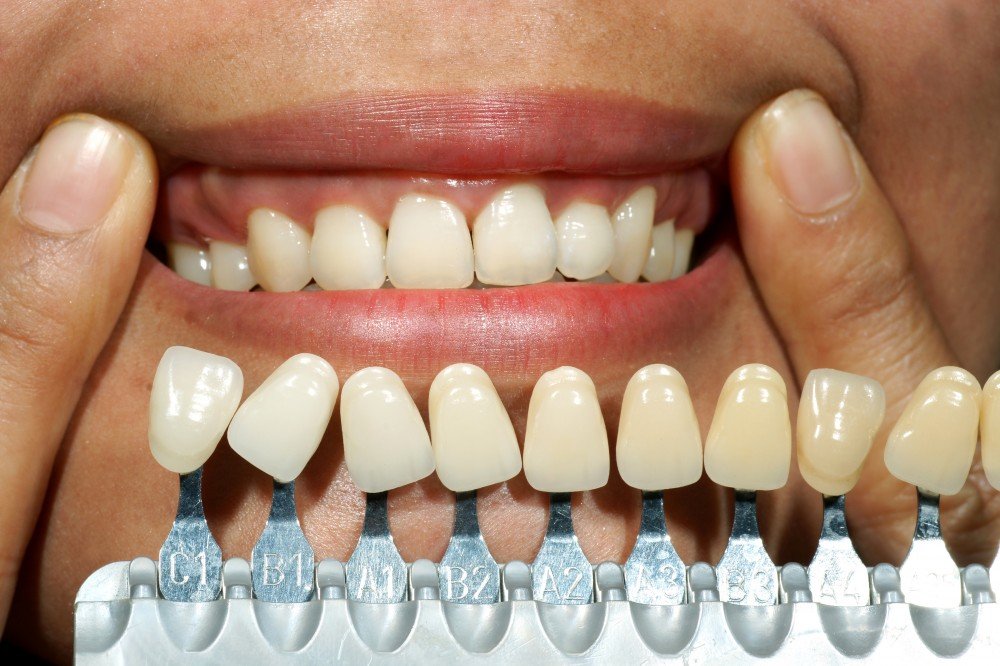
- Shade selection: The dentist chooses a composite resin colour that closely matches the surrounding natural teeth.
- Resin application: The material is applied directly to the affected areas.
- Shaping: The dentist carefully moulds the resin to improve tooth contours and proportions.
- Curing: A specialised light hardens the composite material.
- Polishing: The bonded surfaces are refined to create a smooth and natural-looking finish.
The dentist also checks the patient’s bite to ensure that the new material does not interfere with normal tooth contact.
How Long Does Composite Bonding Last?
Composite bonding commonly lasts around five to ten years, although its lifespan varies depending on oral hygiene, eating habits, bite pressure, and the location of the restoration.
The resin can gradually develop stains, surface wear, or minor chips. Regular dental examinations help identify these changes and determine whether polishing, repair, or replacement is necessary.
Avoiding habits such as biting fingernails, chewing ice, and using teeth to open packaging can help protect the bonded material.
How Can You Maintain Composite Bonding?
Proper maintenance is important for preserving the appearance and functionality of bonded teeth.
- Brush twice daily using fluoride toothpaste and a soft-bristled toothbrush.
- Floss regularly to remove plaque between teeth.
- Limit frequent consumption of coffee, tea, and other staining beverages.
- Avoid biting hard objects such as ice and pens.
- Do not use your teeth to open packages.
- Attend regular dental check-ups and professional cleanings.
- Discuss a night guard with your dentist if you grind or clench your teeth.
These habits can help reduce unnecessary wear and maintain the health of the surrounding natural teeth.
Is Composite Bonding Suitable for Everyone?
Although composite bonding offers several cosmetic advantages, it is not appropriate for every dental condition.
Individuals with healthy teeth and minor aesthetic imperfections may be suitable candidates. However, people with untreated cavities, active gum disease, extensive tooth damage, or significant bite problems may require other treatments.
A professional dental examination is essential before starting the procedure. The dentist evaluates oral health, tooth structure, and aesthetic expectations before recommending an appropriate treatment plan.
Conclusion
People choose composite bonding for several reasons, including repairing chipped teeth, closing small gaps, concealing discolouration, improving tooth shapes, and achieving a more balanced smile. Its minimally invasive approach, versatility, and relatively quick treatment process make it an appealing option for individuals with minor cosmetic dental concerns. However, the suitability of bonding depends on individual dental conditions and treatment expectations. Those considering Composite Bonding in Dubai can consult Atlantis GEO to explore available cosmetic dentistry options and receive professional guidance on achieving a natural-looking, confident smile.