
Why Commercial HVAC Maintenance Is Important
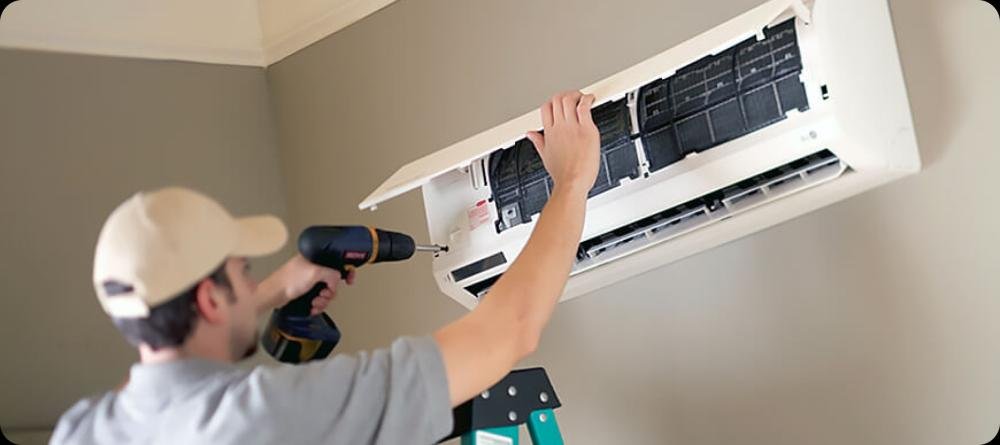
Heating, ventilation, and air conditioning systems play an essential role in commercial buildings. Offices, retail stores, restaurants, and other businesses depend on reliable indoor temperature control to maintain a comfortable environment. When HVAC equipment receives little attention, dust buildup, worn components, and mechanical issues can gradually affect performance. Regular maintenance helps identify developing problems and supports dependable system operation.
Understanding the Benefits of Preventive Maintenance
Preventive maintenance focuses on identifying and addressing equipment concerns before they cause major disruptions. Commercial HVAC Maintenance Vernon NY helps businesses keep their heating and cooling equipment in better condition through scheduled inspections, cleaning, and performance checks. A consistent maintenance routine can reduce unnecessary equipment strain, improve operational reliability, and help property managers plan repairs more effectively.
Improving Heating and Cooling Performance
Commercial HVAC systems must handle changing indoor temperatures, occupancy levels, and outdoor weather conditions. Dirty filters, blocked airflow, malfunctioning thermostats, and worn mechanical components can make it difficult to maintain consistent temperatures. Regular service helps identify these issues and restore proper operation. Maintaining balanced airflow also supports more comfortable conditions throughout different areas of a commercial property.
The Importance of Replacing Air Filters
Air filters collect dust, airborne particles, and other debris before they circulate through the HVAC system. Over time, filters become clogged and restrict airflow, forcing equipment to work harder. This can contribute to reduced efficiency and uneven heating or cooling. Checking filter condition and replacing filters according to manufacturer recommendations are simple but important maintenance tasks.
Inspecting Electrical and Mechanical Components
Commercial HVAC equipment contains several electrical and mechanical components that must work together. Motors, capacitors, contactors, wiring connections, belts, and fans can experience wear through regular operation. Routine inspections help identify visible deterioration, loose connections, unusual noises, and other warning signs. Addressing these concerns early may help prevent more serious equipment failures.
Recognizing When Air Conditioning Repairs Are Needed
Even well-maintained systems can eventually develop mechanical problems. Weak airflow, warm air from cooling vents, unusual sounds, frequent cycling, water leaks, and inconsistent temperatures may indicate that a component needs attention. Air Conditioning Repair Vernon NY can help businesses address cooling problems when their equipment stops operating as expected. Prompt diagnosis can reduce downtime and help prevent additional damage.
Maintaining Indoor Air Quality
Indoor air quality is another important consideration for commercial properties. Dust, accumulated debris, clogged filters, and poorly maintained ventilation components can affect the indoor environment. Cleaning accessible components, maintaining appropriate filtration, and ensuring proper ventilation help support healthier indoor conditions. Businesses with specialized occupancy or operational needs may require additional indoor air quality assessments.
Preparing HVAC Equipment for Seasonal Changes
Seasonal preparation helps commercial systems handle changing weather demands. Before warmer months, cooling equipment should be checked for airflow restrictions, drainage issues, and signs of wear. Before colder weather arrives, heating components and related controls should receive appropriate attention. Scheduling service ahead of peak seasons can help businesses reduce the likelihood of unexpected interruptions when heating or cooling is most important.
Managing Energy Consumption in Commercial Buildings
HVAC equipment can represent a significant portion of a commercial property’s energy use. Dirty filters, leaking ductwork, poorly calibrated thermostats, and inefficient operation can contribute to unnecessary energy consumption. Routine maintenance helps identify performance issues that may increase operating costs. Programmable controls and appropriate temperature settings can also support more efficient system operation.
Creating a Practical Maintenance Schedule
Every commercial building has different HVAC requirements based on equipment type, building size, occupancy, and operating hours. A restaurant, warehouse, and office building may require different maintenance schedules. Property managers should follow manufacturer recommendations and consider how frequently the system operates. Keeping service records also makes it easier to track recurring problems, completed repairs, and upcoming maintenance needs.
Protecting Your Commercial HVAC Investment
Commercial heating and cooling equipment represents an important investment in workplace comfort and building operations. Regular inspections, timely repairs, filter replacement, and seasonal preparation can help maintain reliable performance. By addressing minor concerns before they become major disruptions, businesses can support longer equipment life and create a more comfortable environment for employees, customers, and visitors.