
Understanding Why Washing Machines Develop Leaks
A leaking washing machine can quickly turn an ordinary laundry routine into a frustrating problem. Water around the appliance may damage flooring, affect nearby cabinets, and create conditions for mold if the moisture is not addressed. Some leaks come from simple connection problems, while others indicate worn components or internal mechanical issues. Identifying the source early helps homeowners determine the right repair approach and avoid additional damage.
Recognizing the Need for Professional Washer Repairs
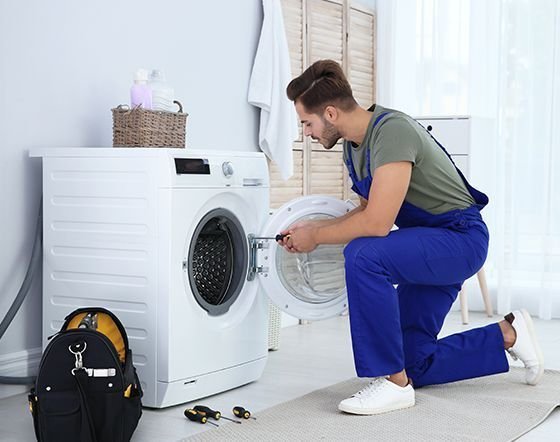
Washing Machine Leak Repair Bridgeville PA can address problems that range from loose water connections to damaged hoses, faulty pumps, and worn door seals. The location of the water can provide useful clues, but the visible leak does not always reveal its actual source. Water may travel along the appliance or flooring before collecting in one area. A careful inspection helps identify the failing component and determine whether it needs adjustment, repair, or replacement.
Checking Water Supply Hoses and Connections
The inlet hoses connect the washing machine to the household water supply. Over time, these hoses can become loose, cracked, brittle, or damaged near their fittings. A leak near the back of the appliance may indicate a problem with a connection or hose, although other components can produce similar symptoms. Homeowners can visually check for obvious moisture around accessible fittings, but the water supply should be turned off before attempting any connection work. Damaged hoses should be replaced with suitable replacements rather than temporarily patched.
Inspecting the Drain Hose and Standpipe
Leaks that appear during the draining stage may involve the drain hose or the standpipe connection. A hose that has slipped out of position, developed a split, or become obstructed can allow water to escape. Improper drainage arrangements may also cause water to back up or spill around the connection. Checking the hose for visible damage and ensuring it is correctly positioned can help identify common problems. Persistent drainage leaks may require a closer inspection of the hose, pump, or household drain.
Understanding Door Seal and Gasket Problems
Front-loading washing machines use a rubber door gasket to help contain water during operation. Detergent residue, small objects, trapped fabric, and repeated use can contribute to gasket deterioration. Tears, hardened sections, or displaced seals may allow water to escape from the front of the appliance. Keeping the gasket clean and checking for visible damage can help homeowners recognize developing issues. A damaged seal generally requires proper replacement to restore an effective watertight closure.
Identifying Problems With the Drain Pump
The drain pump moves used water out of the washing machine during the drain and spin portions of a cycle. If the pump housing, seals, or connected hoses become damaged, water may collect underneath the appliance. Foreign objects can also interfere with pump operation and contribute to drainage problems. Because the pump is usually located inside the machine, diagnosing it may require partial disassembly. Professional inspection can help determine whether the pump needs cleaning, repair, or replacement.
Knowing When Broader Appliance Service Is Necessary
A washer leak may be one symptom of a larger appliance problem. Appliance Repair Services in Bridgeville PA can help homeowners address related issues such as unusual operating noises, incomplete cycles, drainage failures, inconsistent water filling, and machines that stop unexpectedly. A thorough assessment can identify whether the leak is connected to a single damaged component or part of a wider mechanical or electrical issue. Addressing related symptoms together may help reduce repeated service interruptions.
Taking Immediate Steps When a Leak Occurs
When water appears around a washing machine, stop the cycle if it is safe to do so. Avoid touching electrical connections or standing in pooled water near powered equipment. If accessible without entering a wet or hazardous area, turn off the washer’s water supply valves. Keep children and pets away from the affected area and remove nearby items that could be damaged. If water is spreading toward electrical outlets or other equipment, avoid the area and seek appropriate assistance before attempting further action.
Preventing Future Washing Machine Leaks
Routine care can help reduce the likelihood of recurring leaks. Inspect accessible hoses periodically, avoid overloading the drum, and use detergent according to the manufacturer’s recommendations. Excessive detergent can create residue and contribute to operating problems. Clean the door gasket on front-loading models and check pockets before washing to prevent small objects from becoming trapped inside the appliance. Replacing aging hoses when signs of wear appear can also reduce the risk of sudden water damage.
Choosing the Right Repair Approach
Before arranging service, note when the leak occurs, where water first becomes visible, and whether the washer displays an error code. Information about unusual sounds, incomplete cycles, or recent changes in performance can also help with diagnosis. Avoid repeatedly running the machine to test a suspected leak, as continued operation may increase water damage. A qualified technician can inspect the appliance, explain the cause, and recommend repairs based on its condition.
Restoring Confidence in Your Laundry Routine
A washing machine leak should not be ignored, even when the amount of water seems small. Damaged hoses, worn seals, drainage problems, and pump failures can all interfere with normal operation and create avoidable household damage. Timely diagnosis, appropriate replacement parts, and consistent maintenance help restore dependable performance. With the right repair approach, homeowners can protect their laundry area and return to a more reliable washing routine.