
Introduction
Plumbing installation is one of the most important yet often overlooked aspects of home maintenance and renovation. Whether you are installing a new bathroom, replacing old pipes, or setting up a kitchen sink, understanding the basics of proper plumbing installation can save you time, money, and costly repairs down the line.
Many homeowners assume plumbing work should always be left entirely to professionals, and while some tasks certainly require licensed expertise, understanding the fundamentals of plumbing installation empowers you to make better decisions, communicate clearly with contractors, and even tackle smaller projects safely on your own.
This guide covers ten essential plumbing installation tips every homeowner should know. From choosing the right materials to knowing when to call a professional, these tips will help you approach your next plumbing project with confidence and avoid the most common and costly mistakes.
1. Understanding Your Home’s Plumbing System
Before starting any plumbing installation project, it is important to understand how your home’s plumbing system works. Most homes have two main systems: the supply system, which brings clean water in, and the drainage system, which removes wastewater.
Knowing the location of your main water shut-off valve, existing pipe routes, and drainage points will help you plan any new installation safely and avoid unexpected complications during the project.
It is also worth understanding your home’s water pressure and pipe age, since older galvanized steel pipes are prone to corrosion and reduced flow over time. A basic inspection before beginning any plumbing installation project can reveal issues that should be addressed alongside your planned work, saving you from having to reopen walls or floors later.
Homes built before the 1980s may still contain outdated materials such as galvanized steel or, in some older properties, lead piping, both of which should be evaluated and potentially replaced during any major plumbing installation project to ensure safe, reliable water quality for your household.
2. Choosing the Right Pipes and Materials
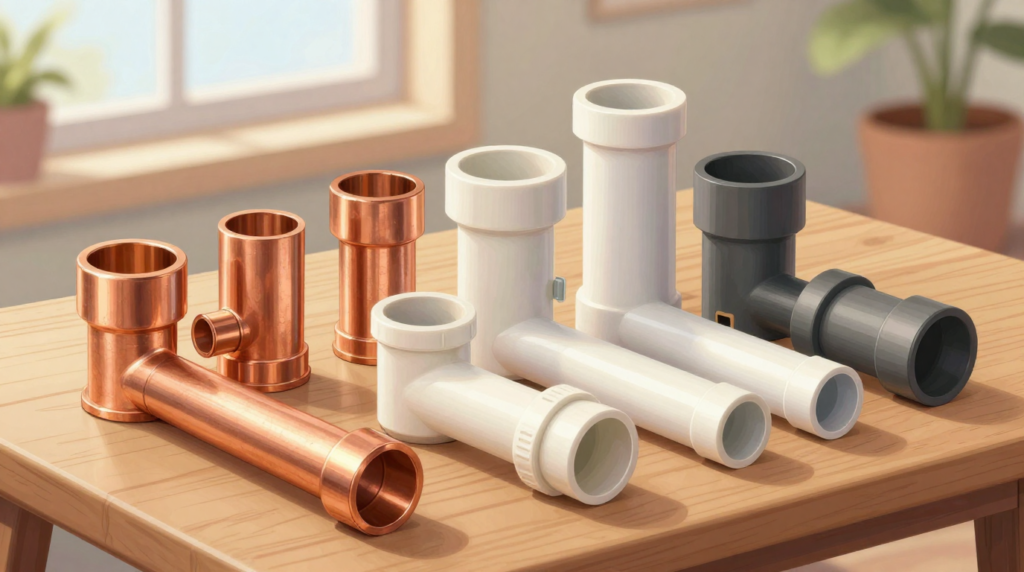
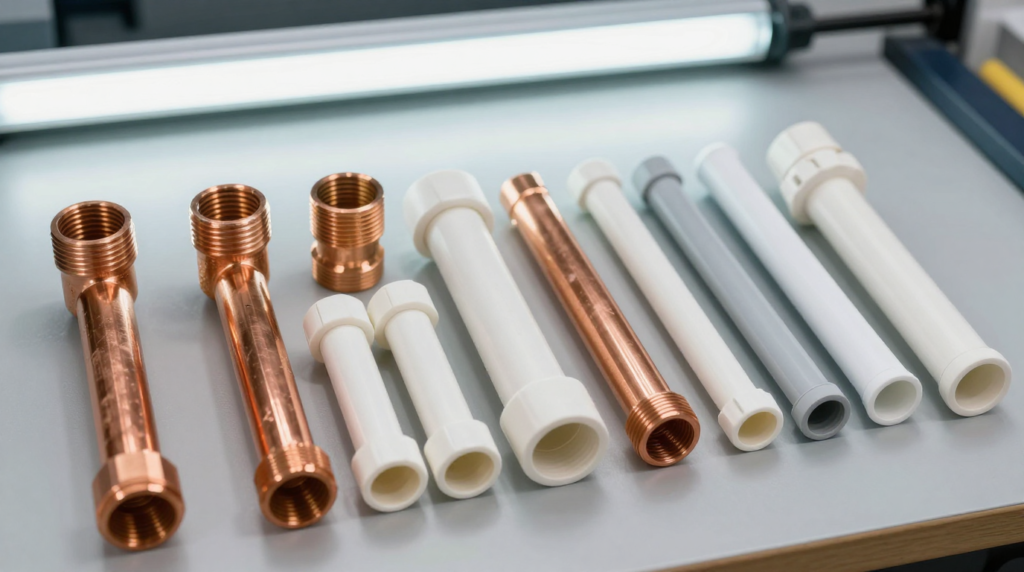
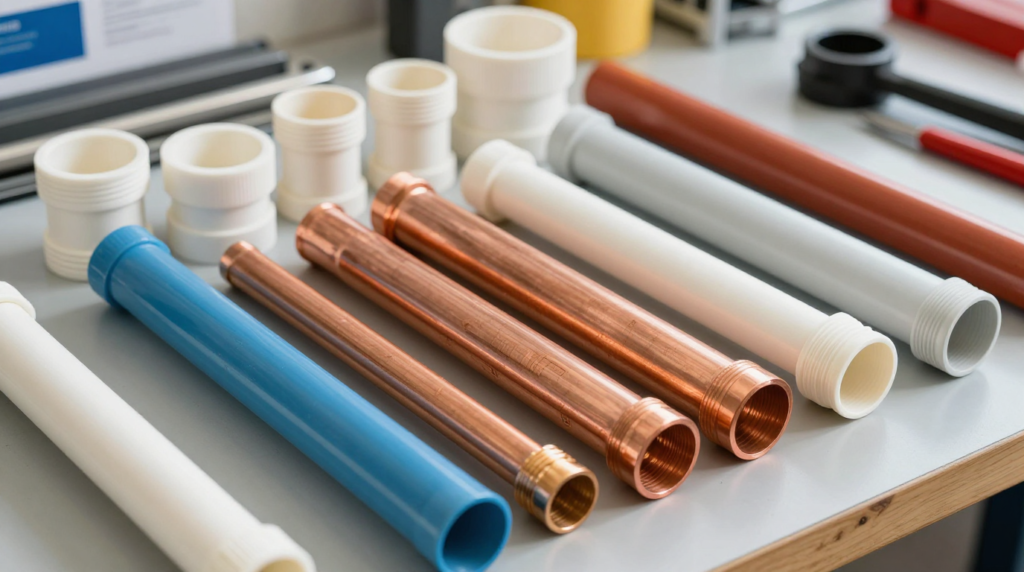
Selecting the right materials is one of the most important plumbing installation tips for long-term reliability. Common options include PVC for drainage, copper for durability, and PEX for flexible water supply lines.
Consider factors such as local building codes, water pressure, and budget when choosing pipe materials. PEX piping, for example, has become increasingly popular for residential plumbing installation due to its flexibility and ease of installation.
Copper remains a trusted choice for water supply lines because of its long lifespan and resistance to bacteria, though it comes at a higher material cost than PEX or PVC. Weighing durability against budget is an important step in choosing the right materials for your specific plumbing installation project.
PVC and ABS piping are typically used for drain, waste, and vent systems due to their affordability and resistance to corrosion. Always confirm with your local building department which materials are approved for use, since codes can vary significantly between regions and municipalities.
3. Proper Planning Before Installation Begins
A successful plumbing installation starts with careful planning. Create a detailed layout of where pipes, fixtures, and drains will be positioned before any work begins. This helps avoid costly mistakes and rework later.
Check local plumbing codes and, if required, obtain the necessary permits before starting installation. Proper planning also includes calculating the correct pipe slope for drainage systems to ensure water flows efficiently.
It is also wise to plan for future maintenance access when positioning pipes and shut-off valves. Installing accessible cleanouts and valves now can save significant time and demolition costs if repairs are ever needed down the road.
Sketching a simple diagram of your intended plumbing installation, including pipe lengths and fixture locations, makes it much easier to purchase the correct quantity of materials and avoid multiple trips to the hardware store partway through the project.
4. Essential Tools Every DIY Plumber Needs
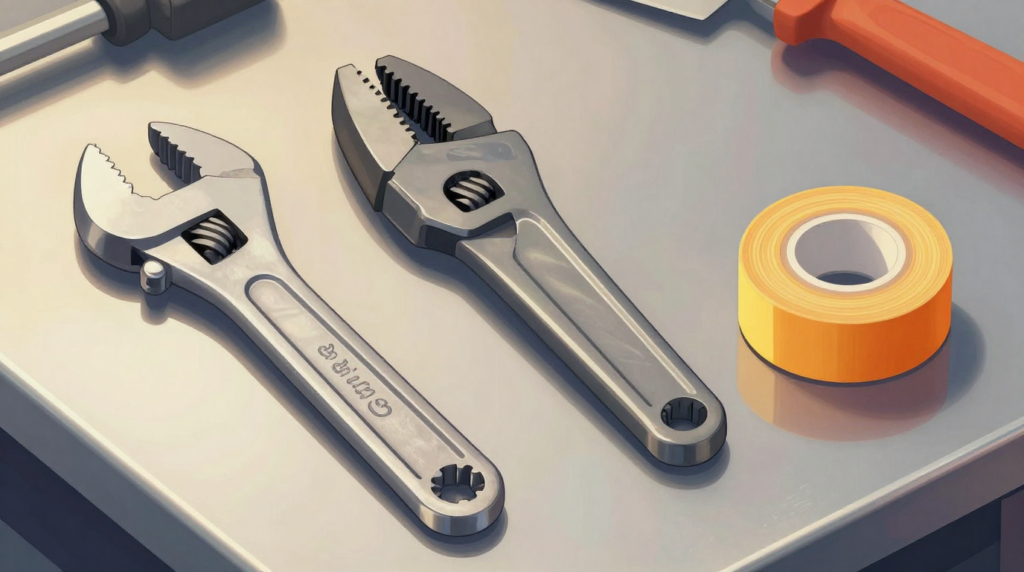
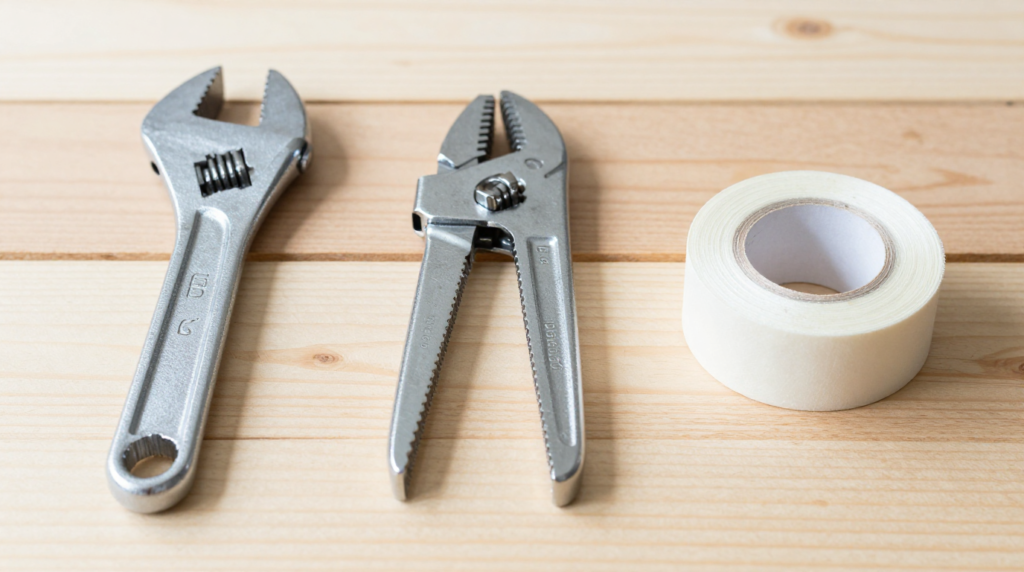
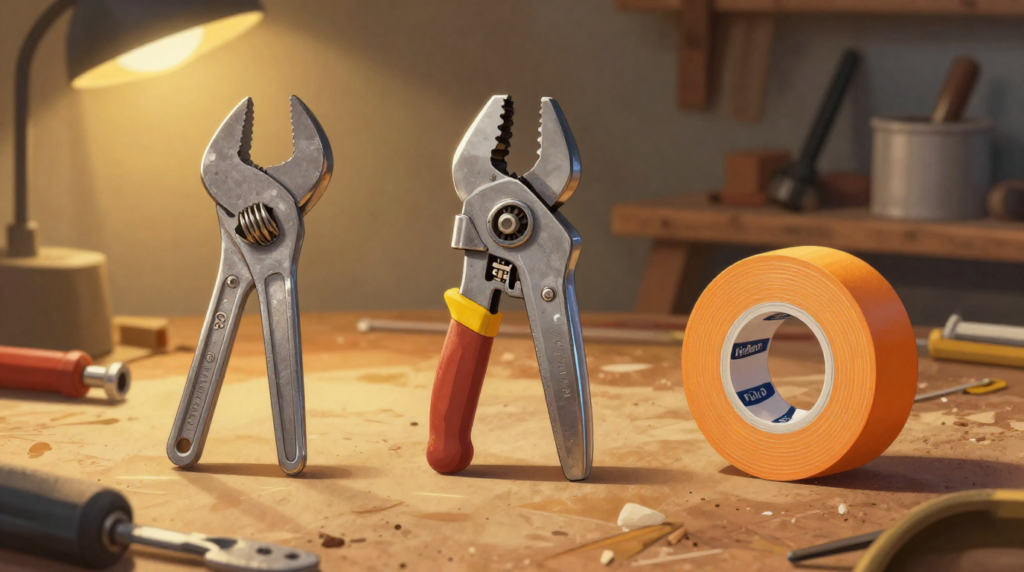
Having the right tools makes any plumbing installation project easier and more accurate. Essential tools include a pipe wrench, pipe cutter, adjustable wrench, plumber’s tape, and a quality level for ensuring proper pipe slope.
For soldering copper pipes, a propane torch and flux are necessary, while PEX installations require a specific crimping or expansion tool depending on the fitting type used.
A basin wrench and a hacksaw are also worth keeping on hand for tight spaces under sinks and for cutting through stubborn pipe materials. Investing in quality tools from the start typically results in cleaner cuts, tighter seals, and a more professional-looking plumbing installation overall.
5. Common Plumbing Installation Mistakes to Avoid
Even experienced homeowners can make mistakes during plumbing installation. One common error is failing to properly secure pipes, which can lead to noise, leaks, or damage over time. Always use appropriate pipe hangers and supports.
Another frequent mistake is incorrect pipe sizing, which can cause poor water pressure or drainage issues. Always match pipe diameter to the fixture requirements and existing plumbing system specifications.
Overtightening fittings is another surprisingly common error that can crack fittings or damage threads, ultimately causing leaks rather than preventing them. Following manufacturer torque guidelines and using the right tool for each fitting type helps avoid this easily preventable plumbing installation mistake.
Skipping a pressure test before closing up walls is another mistake that can lead to expensive repairs later. Always test new plumbing installation work under normal water pressure for at least twenty-four hours before finishing surrounding walls or flooring.
6. When to Hire a Professional Plumber
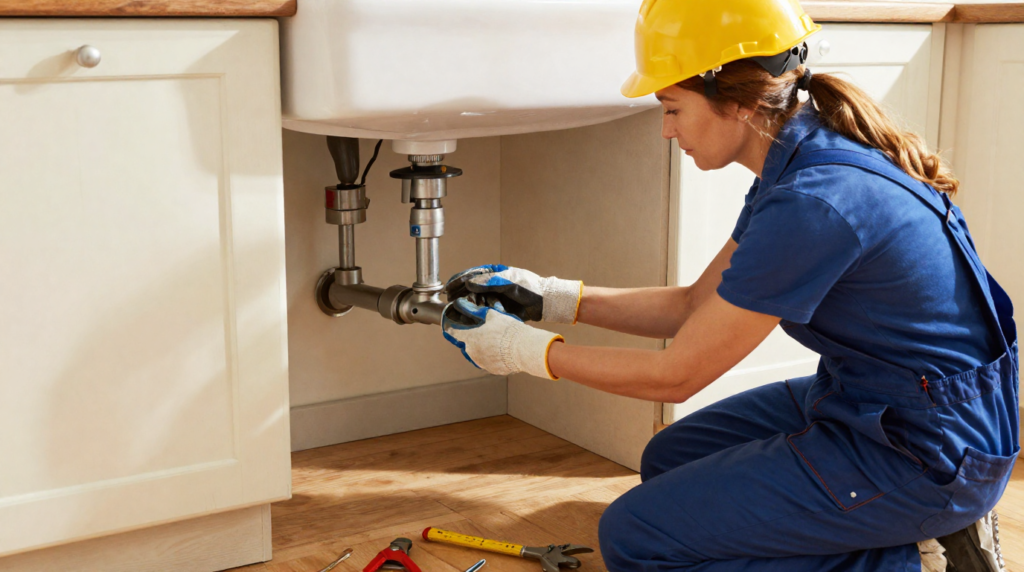
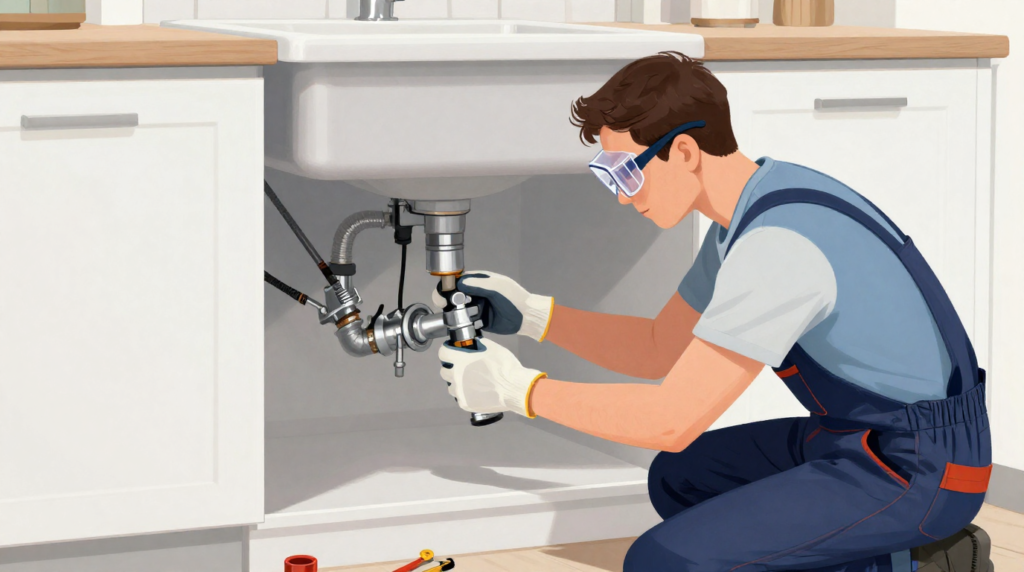
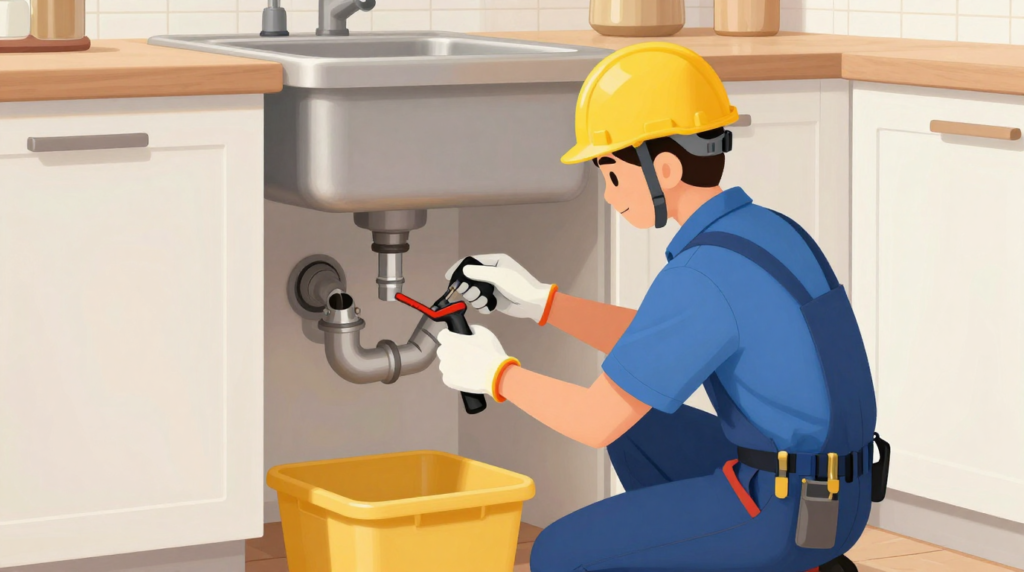
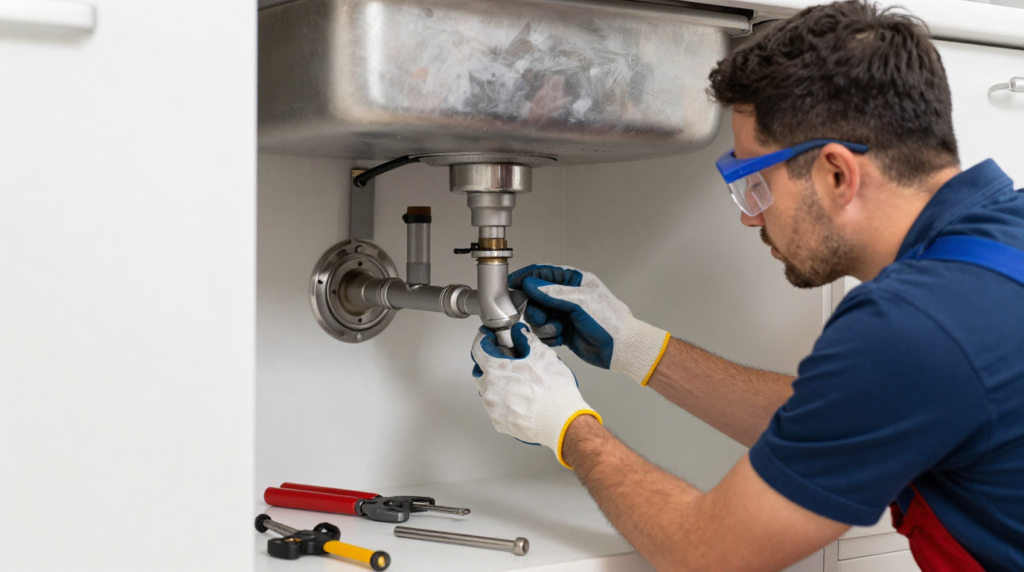
While many minor plumbing installation tasks can be handled by confident DIY homeowners, certain projects require professional expertise. Main line installations, gas line work, and any project requiring permits are best left to licensed plumbers.
Hiring a professional also ensures the work meets local building codes and comes with warranty protection, which can save money and stress if problems arise after installation.
As a general guideline, if a plumbing installation project involves altering your home’s main water line, connecting to municipal sewer systems, or working near gas appliances, it is worth getting at least one professional quote even if you plan to attempt part of the work yourself.
7. Maintaining Your Plumbing System After Installation
Once installation is complete, regular maintenance helps extend the lifespan of your plumbing system. Inspect pipes periodically for leaks, corrosion, or unusual noises that might indicate a developing problem.
Simple habits, such as avoiding pouring grease down drains and using drain strainers, can prevent clogs and reduce the need for future repairs, keeping your newly installed plumbing system running smoothly for years.
Scheduling an annual plumbing inspection is another valuable habit, particularly for homes with older pipes or in areas with hard water, since mineral buildup can gradually restrict flow and shorten the lifespan of an otherwise well-executed plumbing installation.
Keep a record of the materials and fittings used during installation, including receipts and product model numbers, so that future repairs or replacements can be matched accurately without guesswork, saving both time and money down the line.
8. Safety Precautions During Plumbing Work
Safety should always be a priority during any plumbing installation project. Always turn off the main water supply before beginning work, and wear protective gloves and eyewear when cutting pipes or soldering joints.
When working with gas lines or electrical connections near plumbing fixtures, extra caution and, in many cases, professional assistance are strongly recommended to avoid serious safety hazards.
Ensure proper ventilation when soldering or using solvents for pipe joints, as fumes can build up quickly in enclosed spaces such as crawl spaces or small bathrooms. Keeping a fire extinguisher nearby during any soldering work is a simple precaution that should never be skipped.
🚰 Frequently Asked Questions About Plumbing Installation
Get answers to the most commonly searched plumbing installation questions. Learn expert tips, avoid costly mistakes, and explore trusted resources to help you complete your next plumbing project with confidence.
1. What should I know before starting a plumbing installation project?
Before starting any plumbing installation, identify your home’s water supply and drainage system, locate the main shut-off valve, choose the correct pipe materials, and review local plumbing codes. Careful planning helps prevent leaks, unnecessary repairs, and expensive mistakes.
Helpful Resource: This Old House – Plumbing Guides
2. Which plumbing pipes are best for residential homes?
PEX, copper, PVC, and ABS are among the most commonly used plumbing materials. PEX is flexible and affordable, copper offers excellent durability, while PVC is ideal for drain and waste systems. The best choice depends on your project and local building codes.
Learn More: Family Handyman – Plumbing Tips
3. Can I install plumbing myself, or should I hire a professional?
Many homeowners can complete basic plumbing repairs and simple fixture installations. However, water main connections, sewer lines, gas piping, and complex remodeling projects should always be completed by a licensed plumber.
4. What are the most common plumbing installation mistakes?
Common mistakes include incorrect pipe sizing, poor pipe support, improper drain slope, overtightened fittings, skipping leak tests, and ignoring local plumbing regulations. Careful planning helps prevent these issues.
5. Do I need a permit for plumbing installation?
Many plumbing installations require permits and inspections, especially when modifying water supply lines, drainage systems, or sewer connections. Requirements vary by location, so always check with your local building department.
Official Resource: EPA WaterSense
6. How can I make my plumbing system last longer?
Inspect pipes regularly, repair leaks immediately, avoid pouring grease into drains, use drain strainers, flush your water heater annually, and schedule routine plumbing maintenance to extend the lifespan of your plumbing system.
7. What tools are essential for plumbing installation?
Essential plumbing tools include a pipe wrench, adjustable wrench, pipe cutter, plumber’s tape (PTFE), basin wrench, measuring tape, level, pipe crimping tool (for PEX), and safety equipment such as gloves and eye protection.
8. How often should I inspect my home’s plumbing system?
Experts recommend inspecting your plumbing system at least once a year. Regular inspections help detect leaks, corrosion, worn fittings, and water pressure issues before they become expensive repairs.
Conclusion
Proper plumbing installation is essential for a safe, efficient, and long-lasting home plumbing system. By following these ten plumbing installation tips, from understanding your home’s system and choosing the right materials to knowing when to call a professional, homeowners can approach plumbing projects with greater confidence and fewer costly mistakes.
Whether you are tackling a small DIY repair or planning a major renovation, taking the time to plan properly and prioritize safety will ensure your plumbing installation stands the test of time.
Before starting your next project, review this checklist of plumbing installation tips one more time, gather the right tools and materials, and do not hesitate to consult a licensed plumber for any step that feels beyond your comfort level. A little caution upfront goes a long way toward protecting your home.
With careful planning, the right materials, and a healthy respect for safety, most homeowners can confidently manage smaller plumbing installation projects while knowing exactly when it is time to bring in professional help for the bigger jobs.
