
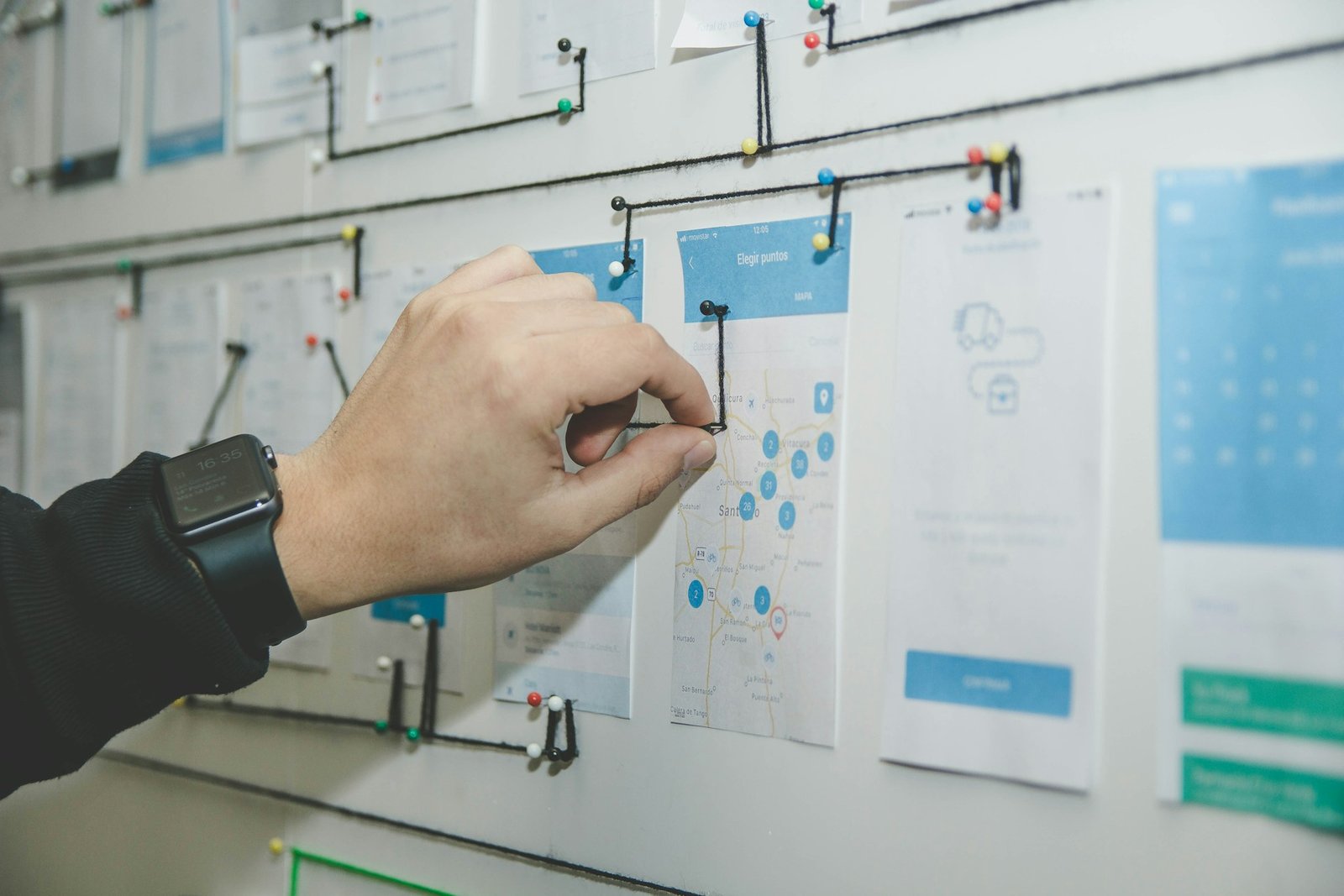
FM has a critical role in maintaining buildings to ensure safety, comfort, efficiency and maintenance. It is essential to building systems’ smooth operation and the happy experiences of the people involved, whether in an office, hotel, hospital, residential building or commercial property.
The role of the facility manager is the coordination of maintenance, cleaning, security, energy consumption, equipment and other critical services. By employing the proper way to plan and maintain the system, businesses can minimize operational issues, enhance safety measures, and prevent long-term property degradation.
What Is Facility Management?
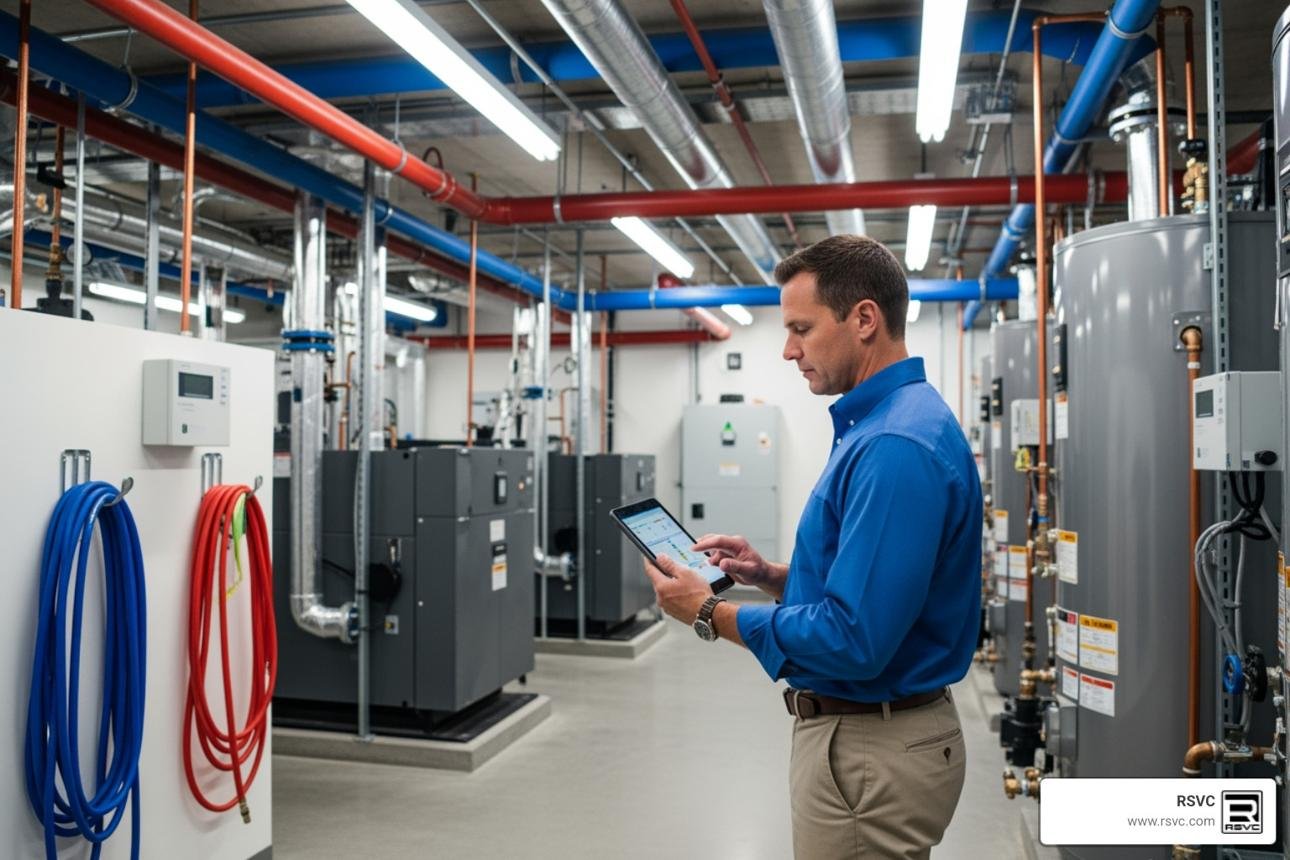
Facility Management is an activity of maintaining and managing buildings, equipment, infrastructure and supporting services. It is primarily intended to provide a safe, functional and productive setting for those who use a property.
In the field of facility management, building maintenance and operational planning are interwoven. This can include handling heating and cooling, electrical work, plumbing, cleaning, security, waste removal and energy.
In large facilities or in structures with specific functions, facility management can be done in-house or by an outsourcing service provider.
The key responsibilities of Facility Management include the following:
1. Maintenance and improvement works on the building.
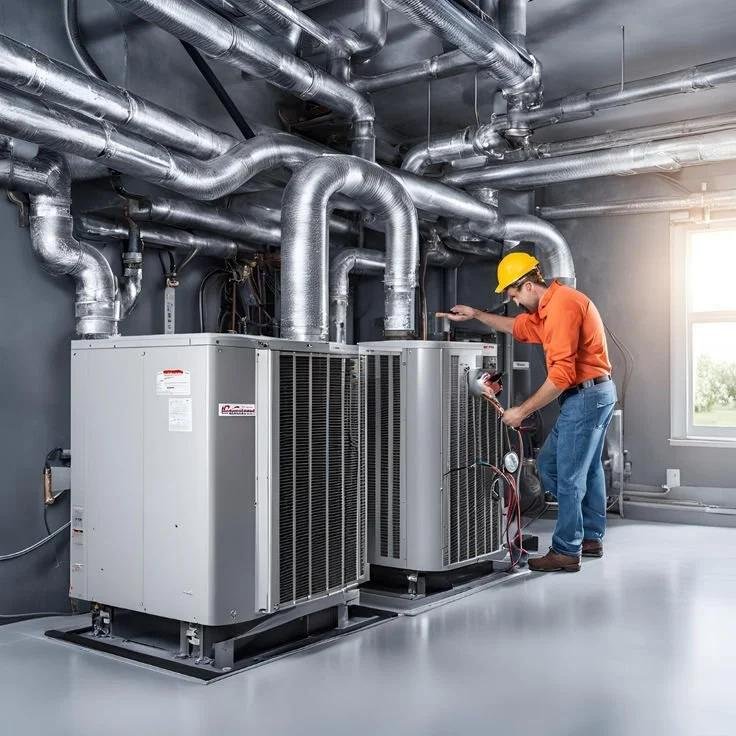
One of the primary duties of the facility management is building maintenance. This encompasses checking of building elements, fixing broken sections, servicing equipment, and averting minor issues into large-scale problems.
Roofs, walls, floors, doors, windows, plumbing, electrical, heating, ventilation and air conditioning (HVAC) may all be part of regular maintenance.
By following a planned maintenance schedule, facility managers can anticipate issues and schedule maintenance before they cause disruption to the regular operations.
2. Cleaning and Hygiene
Clean and sanitary areas are conducive to the comfort of the occupants and promote a professional space. Office, hotel room, hallway, washroom, kitchen and common area cleaning schedules can be coordinated by the facility management team.
The cleaning needs are dependent on the use of the building. For instance, if you own a healthcare facility, you will have to adopt specific hygiene measures, while a hotel will have to ensure that the environment is kept clean at all times, as part of their hotel standards to improve customer satisfaction.
To ensure uniform standards, there should be clear checklists, appropriate cleaning products, training for staff and regular inspections.
3. Stability and Security managing.Security and Safety managing.
Facility managers support building safety by scheduling inspections, implementing building security, emergency plans, and reporting hazards.
Tasks can involve fire alarm checks, emergency lighting checks, access control checks, CCTV checks, evacuation routes, and safety signage checks. Any required inspections and servicing should be carried out in accordance with the relevant legislation, manufacturer instructions and industry advice.
Emergency procedures should be well understood and clear, and staff should know what to do in the event of an emergency. Safety equipment should not be considered as a single time investment, but rather as a necessary part of the process of maintaining equipment safety.Safety equipment should be treated not as an investment, but as a necessity of maintaining equipment safety.
4. Energy and Utility Management
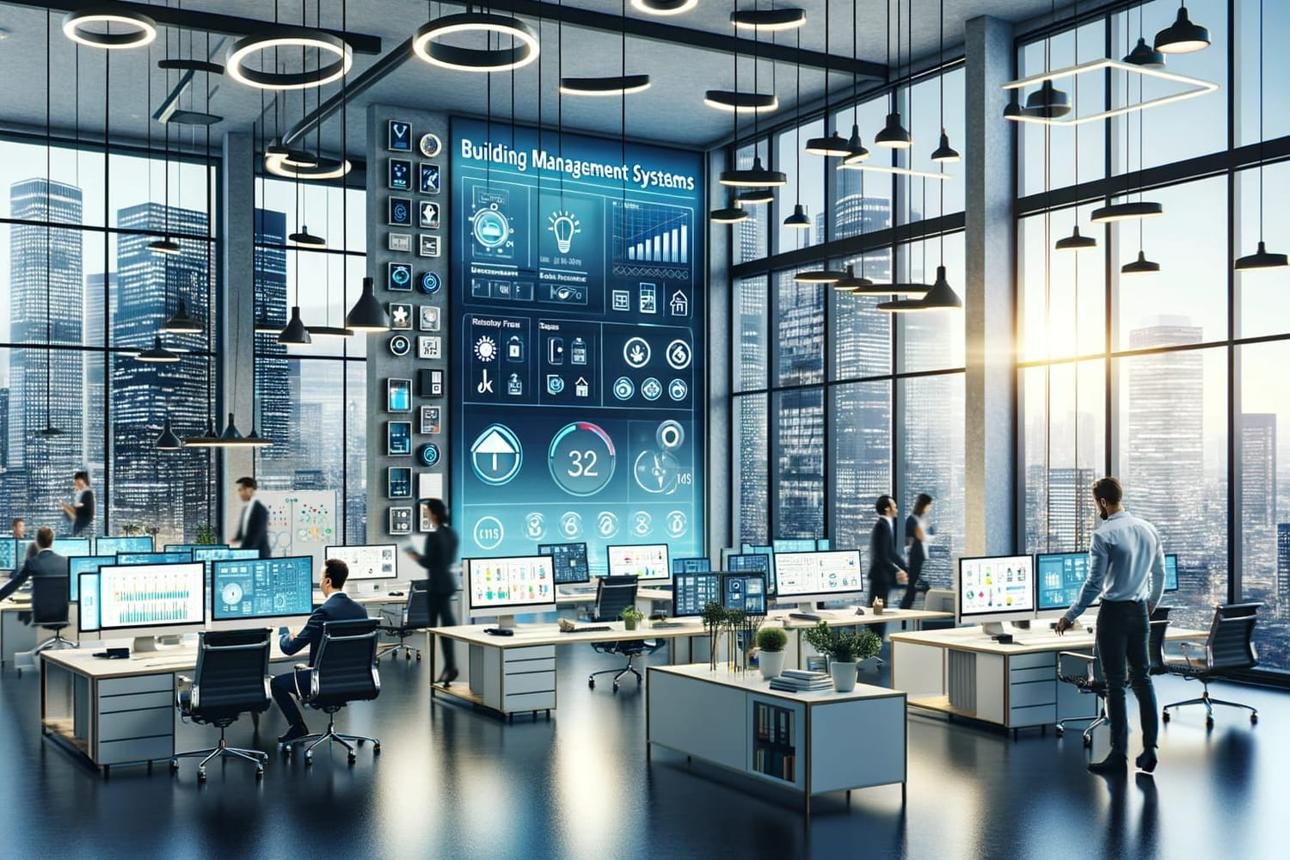
Energy management is the ability of the organization to manage the use of electricity, heating, cooling, water and other utilities. Facility teams can check out how their equipment is working, review utility bills and look for ways to save unnecessary consumptions.
This can involve such things as installing energy efficient lighting, improving insulation, maintaining HVAC systems, and the use of programmable controls where applicable.
Tracking energy use over time can be beneficial for managers to assess if improvements are making a difference.
5. Space and Asset Management
Facility management also entails managing and utilizing space that is already available and monitoring the building’s resources. This can involve furniture, fixtures, fittings, appliances, maintenance equipment, access systems and mechanical installations.
Up to date asset records make it easier for teams to plan for servicing, monitor equipment status and schedule replacement as appropriate.
In addition, good space planning can enhance the way in which rooms can be used, their access, comfort, and the flow of movement.
Types of Facility Management
Typically, there are two main types of facility management.
Hard Facility Management
Hard facility management refers to the construction of the building and its technical systems. They can include:
- Electrical system maintenance
- Maintenance of the plumbing and drainage systems
- HVAC servicing
- Fire protection systems
- Structural inspections
- Building equipment maintenance
These activities are necessary for the building to remain functional and for its safe operation.
Soft Facility Management
Soft facility management is about services provided to the building’s users and occupants. Examples include:
- Cleaning and housekeeping
The grounds and landscape are in good condition.
Collect and manage waste - Front Desk Staff Providing Welcome and Information to Guests
- Pest control
A few security and support services are available.There are a few security and support services available.
To ensure effective operations many properties require both hard and soft services.
Benefits of Effective Facility Management
Lower Maintenance Costs
To avoid a failure, preventive maintenance can be used to determine whether components are worn or damaged. Solving issues in the early stages can minimize emergency repair bills and disruption.
Improved Occupant Comfort
Good quality lights, adequate heat and temperature control, sanitary facilities and equipment contribute to a more comfortable working, living, visiting and guest environment.
Improved safety and compliance.Improved safety and compliance.
Organizations can control risks and ensure compliance with relevant safety standards through routine inspections, defined procedures and suitable maintenance.
Increased Equipment Reliability
Properly scheduled maintenance, and accurate asset documentation, can lead to more reliable equipment operation. Facility teams are able to schedule repairs and replacements by condition and need as well.
More Efficient Operations
Clear responsibilities, maintenance plans, and digital records enable teams to work together more effectively, and better respond to service requests.
In the world of facility management, technology plays a vital role.Technology has a significant and important role in facility management.
The way buildings are maintained and operated is changing. Facility management software can assist teams in organizing maintenance requests, scheduling inspections, logging repairs and monitoring assets.
Selected building services, e.g. heating, cooling, ventilation, lighting, can be monitored by building management systems. Sensors can offer valuable data regarding equipment conditions, energy use, occupancy, or temperature.
Computerized maintenance management systems (CMMS) are great tools that facility teams can use to plan preventive maintenance and keep a history of service.
But, when information is correct, staff are trained and alerts are checked by qualified personnel, that’s where technology truly works its magic. Digital systems should complement, not supplant, appropriate inspections and professional judgement.
Common Facility Management Challenges
Facility managers might encounter a number of issues during building and service maintenance.
When budgets are tight, managers must focus on the most critical safety projects, emergency repairs and preventive maintenance that offer the greatest return on investment.
Reliability and unexpected equipment failures: All systems can fail, even if well maintained. Having spare parts planning, clear escalation procedures and emergency contacts can help teams respond more effectively.
Aging infrastructure: when buildings are old, they may require upgrades to make them more reliable, efficient, accessible, compliant, etc.
Communication problems between the occupants, contractors and maintenance personnel can cause delays in repairs. Having a well-defined process for reporting and tracking requests reduces confusion.
It is difficult to plan because of incomplete records that include missing service histories and equipment details. Having up to date digital or paper records facilitates informed team decisions.
Best Practices for Successful Facility Management
To enhance the management of facilities, organizations can set up an easy and consistent procedure.
- Prepare an asset inventory – list of important equipment, locations, service needs and relevant warranties.
- Create a maintenance plan: Plan on routine equipment checks and maintenance as per equipment need and risk level.
- Take safety seriously: Deal with emergency hazards immediately and ensure emergency systems are well maintained.
Record issues that are reported, who is responsible, when they are completed and what they need to be followed up with. - Track operating costs: Examine energy consumption, maintenance costs and repetitive maintenance problems.
- Train employees and contractors: Ensure that employees and contractors know the safety procedures, reporting requirements, and proper use of equipment.
- Review performance regularly: Maintenance records, occupant feedback and appropriate cost measures to look for improvements.
Conclusion
The facility management assists the building to stay safe, comfortable, reliable and efficient. Facility teams help to coordinate maintenance, cleaning, security, energy use, and the care and utilization of building assets to support the people who live, work and visit these buildings.
The key elements to a successful facility management strategy are preventive maintenance, staff training, accurate records, appropriate technology, and procedures. From a small office to a large commercial building, a structured approach can minimise unnecessary disruption and preserve the value of the asset for the long term.
Frequently Asked Questions
1. What is the main purpose of facility management?
The primary objective is to ensure that buildings, equipment and support services are safe and efficient to the needs of the occupants.
2. What are the different kinds of facility management?
Two general categories are hard facility management (physical building systems) and soft facility management (services, including cleaning, landscaping).
3. Why is preventing maintenance important?
Preventive maintenance can be used to detect wear and possible problems before they lead to major breakdowns. Can help keep equipment working and minimize unforeseen downtimes.
4. So, what is Facility Management Software?
Facility management software allows for the management of assets, maintenance requests, inspections, work orders, and service records in a centralized system.
5. What does facility management do to improve energy efficiency?
Facility managers can now track and manage energy usage, condition HVAC systems, optimize lighting efficiencies, and uncover ways to save energy when it’s not being used.
Office, hotel, hospital, school, shopping center, factory, residential building, and other kinds of properties utilize facility management.
 williamkevin