
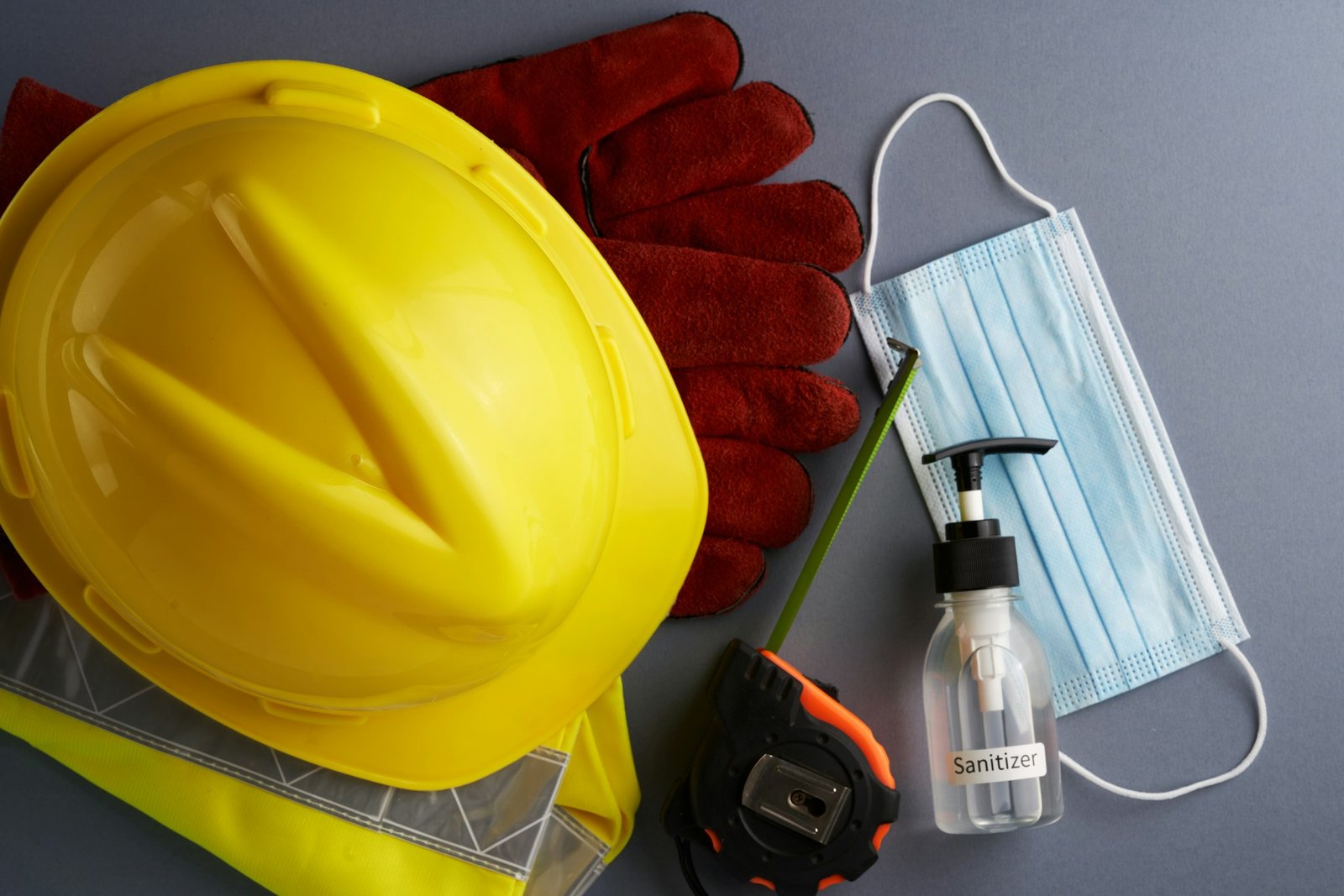
Construction projects require the right tools, reliable equipment, and appropriate safety measures to ensure that work is completed efficiently. From basic hand tools to heavy machinery, construction equipment helps workers perform tasks accurately and manage demanding site conditions. At the same time, personal protection equipment (PPE) helps reduce exposure to common workplace hazards.
Understanding construction tools and personal protection equipment is essential for contractors, builders, site managers, and workers. Choosing suitable equipment, maintaining it properly, and following established safety procedures can improve productivity and help create a safer construction environment.
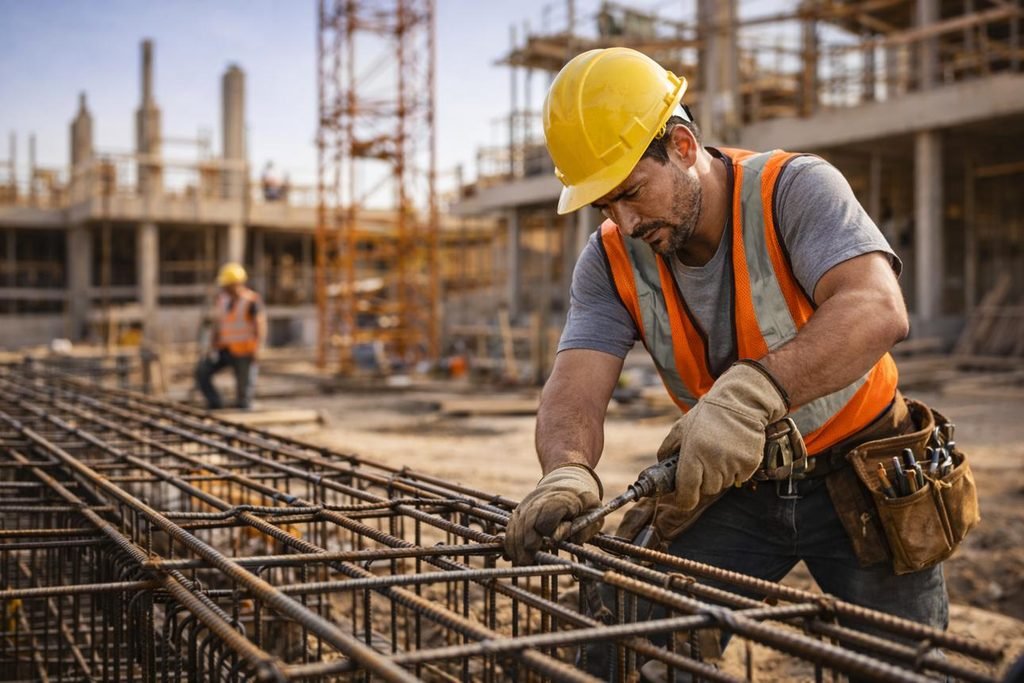
What Are Construction Tools and Personal Protection Equipment?
Construction tools are instruments and machines used to build, repair, install, and maintain structures. They range from simple measuring tapes and hammers to power drills, concrete mixers, and excavators.
Personal protection equipment, commonly known as PPE, includes items worn or used by workers to help protect them from specific workplace hazards. Examples include safety helmets, protective footwear, gloves, eye protection, hearing protection, and suitable respiratory protection.
Tools help workers complete construction tasks, while PPE helps reduce the risk of injury. Both should be selected according to the work being performed, the site conditions, and the hazards identified through a suitable risk assessment.
Common Types of Construction Tools
1. Hand Tools
Hand tools are widely used for measuring, fastening, cutting, shaping, and assembling building materials. They are essential for many everyday construction activities.
Common hand tools include:
- Hammers for driving nails and performing suitable demolition tasks
- Screwdrivers for installing and removing screws
- Measuring tapes for checking dimensions
- Spirit levels for checking alignment and level surfaces
- Pliers for gripping, bending, and holding materials
- Wrenches for tightening or loosening suitable fasteners
Workers should inspect hand tools before use and choose the correct tool for each task. Damaged handles, loose components, or worn working surfaces should be repaired or replaced before the tool is used again.
2. Power Tools
Power tools use electricity, batteries, compressed air, or another power source to complete tasks more efficiently than many manual alternatives.
Examples include drills, circular saws, angle grinders, impact drivers, and demolition hammers. These tools are commonly used for drilling holes, cutting materials, fastening components, and removing existing structures.
Safe operation requires following the manufacturer’s instructions, using suitable guards and accessories, and checking cables, batteries, and attachments. Workers should receive appropriate training and use the PPE required for the particular task.
3. Measuring and Surveying Equipment
Accurate measurements are essential for construction quality. Measuring and surveying equipment helps workers establish dimensions, elevations, boundaries, and alignment.
Common examples include measuring tapes, laser distance meters, spirit levels, laser levels, theodolites, and total stations.
Using suitable measuring equipment can help reduce layout errors and support accurate installation. Equipment should be calibrated or checked as recommended, particularly when precise measurements are important.
4. Heavy Construction Equipment
Large construction projects often require machinery to move materials, prepare sites, lift loads, and carry out earthworks.
Common examples include excavators, bulldozers, wheel loaders, cranes, forklifts, and concrete mixers. Each machine has specific operating requirements and limitations.
Only trained and authorized operators should use heavy equipment. Site teams should consider ground conditions, load limits, pedestrian routes, visibility, maintenance requirements, and the manufacturer’s operating instructions before machinery is used.
5. Concrete and Masonry Tools
Concrete and masonry work requires specialized tools for mixing, placing, shaping, cutting, and finishing materials.
Examples include concrete mixers, trowels, floats, masonry saws, brick hammers, and pointing tools. The correct equipment can improve the quality and consistency of finished surfaces.
Concrete and masonry tasks may also create hazards such as silica-containing dust, flying particles, noise, and contact with wet cement. Appropriate controls and task-specific PPE are essential.
What Is Personal Protection Equipment (PPE)?
Personal protection equipment is designed to help protect workers from hazards that cannot be adequately eliminated or controlled through other measures. PPE is an important part of construction safety, but it should not be the only safety measure.
Employers and site managers should first identify hazards and apply suitable controls, such as safer work methods, physical barriers, ventilation, machine guards, and restricted access. PPE should then be selected to address the remaining risks.
The required equipment depends on the task, materials, environment, and applicable safety standards.
Essential Types of Construction PPE
1. Safety Helmets and Hard Hats
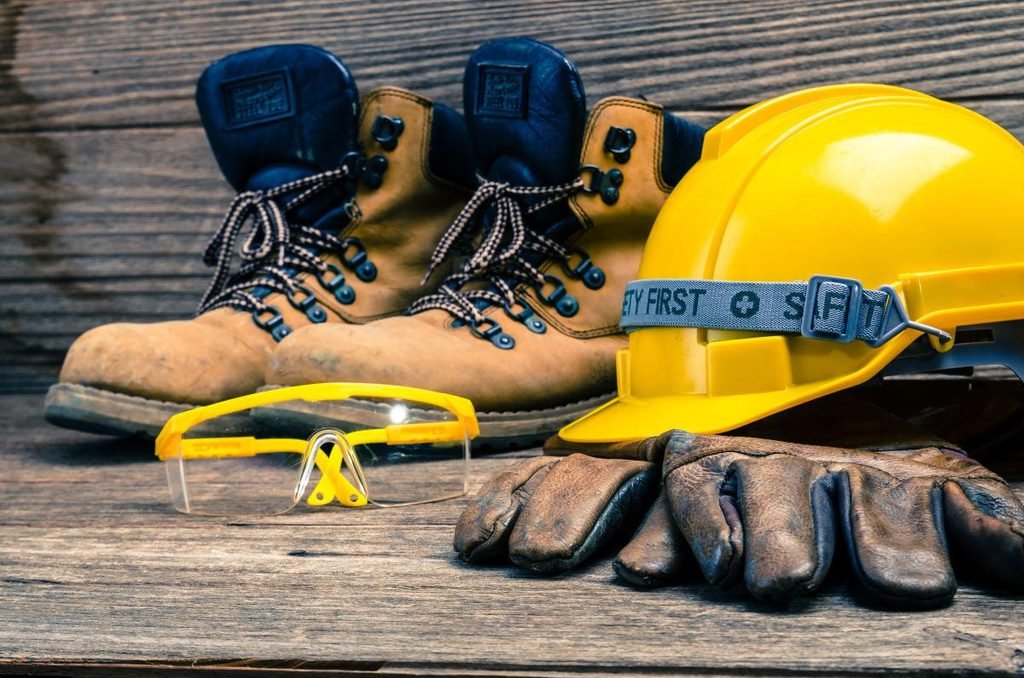
Safety helmets help protect workers against certain head injuries caused by falling or moving objects and other identified hazards. The appropriate type must match the risks present on the construction site.
Workers should check helmets for cracks, damage, deterioration, and other defects. Suspension systems and accessories should be compatible with the helmet, and equipment should be replaced according to manufacturer instructions and after damaging impacts where required.
2. Safety Glasses and Face Protection
Safety glasses, goggles, and face shields help protect against hazards such as flying particles, splashes, and certain forms of exposure during cutting, grinding, drilling, and other tasks.
Different jobs require different levels of protection. A face shield may need to be worn with suitable safety glasses or goggles rather than used as a substitute for them. Eye and face protection should be selected according to the specific hazard.
3. Protective Gloves
Gloves can help protect against cuts, abrasions, certain chemicals, heat, and other workplace hazards. However, no single glove provides protection against every risk.
Workers should choose gloves based on the material being handled and the task being performed. Gloves can create entanglement hazards around rotating machinery, so the correct procedure must be followed for equipment where this risk exists.
4. Safety Footwear
Construction safety footwear can provide protection against hazards such as impact, crushing, punctures, slipping, or contact with particular materials.
The correct footwear depends on the site conditions and the identified risks. Workers should check soles, fastenings, protective components, and overall condition regularly. Footwear that is damaged or unsuitable for the task should be replaced.
5. Hearing Protection
Construction activities involving drills, saws, grinders, compressors, and heavy machinery can generate harmful noise.
Earplugs and earmuffs can help reduce noise exposure when properly selected and worn. Employers should assess noise risks and consider quieter equipment, isolation, and limits on exposure where appropriate. Hearing protection must provide suitable protection without preventing workers from hearing essential safety warnings.
6. Respiratory Protection
Construction work can expose workers to dust, fumes, vapors, and other airborne contaminants. The required protection depends on the substance, its concentration, and the task.
Dust suppression, suitable ventilation, and other exposure controls should be considered first. Where respiratory protection is required, the respirator must be appropriate for the hazard, fit correctly, and be used in accordance with applicable requirements and manufacturer instructions.
7. High-Visibility Clothing and Fall Protection
High-visibility clothing helps workers remain visible to equipment operators and drivers, particularly in low-light conditions or areas with moving vehicles.
When work at height presents a fall hazard, suitable protective measures must be planned. Depending on the circumstances, these may include guardrails, properly designed platforms, safety nets, or personal fall-arrest systems. Fall-protection equipment requires correct selection, inspection, training, and a suitable rescue plan.
How to Choose the Right Construction Tools and PPE
Selecting appropriate equipment starts with understanding the work and its risks. The following considerations can help construction teams make better decisions.
Identify the task: Choose tools designed for the material and operation, such as drilling, cutting, lifting, or finishing.
Assess workplace hazards: Consider dust, noise, sharp edges, falling objects, moving machinery, chemicals, electrical risks, and working at height.
Check quality and compatibility: Equipment should meet applicable standards and be suitable for the intended use. Accessories, guards, batteries, and replacement parts must be compatible.
Consider worker comfort and fit: PPE must fit correctly and allow the worker to perform the task safely. Poorly fitting equipment may reduce protection or interfere with work.
Review maintenance requirements: Check how equipment must be inspected, cleaned, stored, serviced, and replaced.
Provide training: Workers should understand how to operate tools safely, recognize defects, wear PPE correctly, and report hazards.
Maintenance and Safe Storage of Construction Equipment
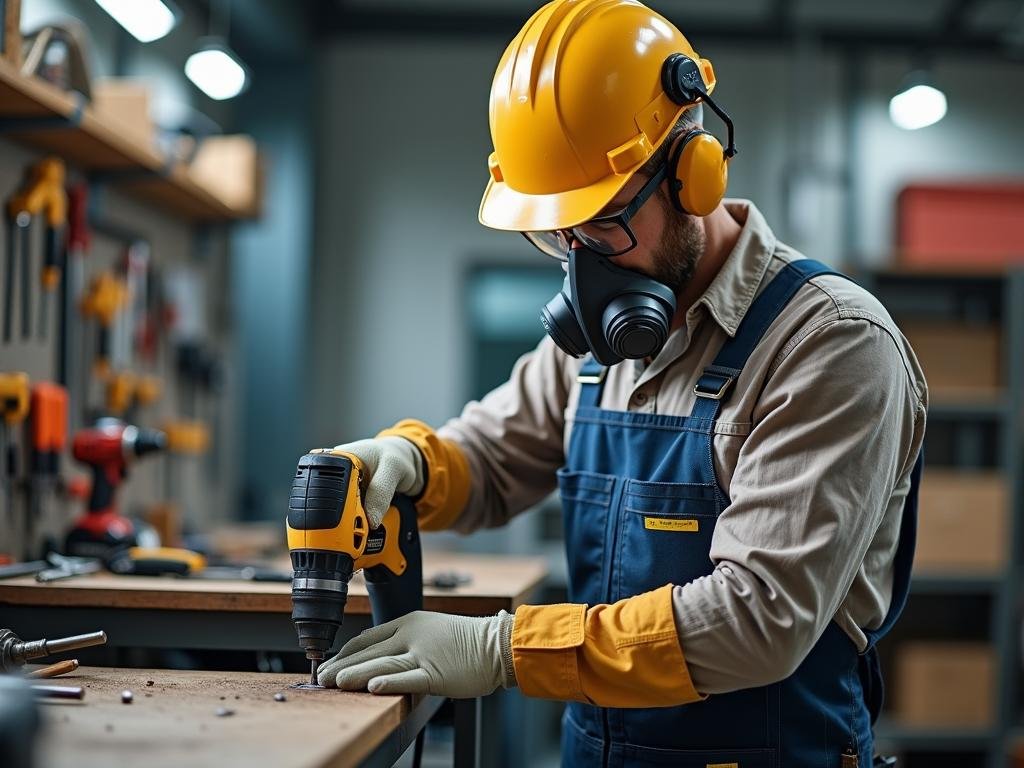
Regular inspection and maintenance help keep tools and protective equipment in usable condition. Before use, workers should look for visible damage, missing guards, loose parts, worn cables, leaking components, and other defects relevant to the equipment.
Tools should be cleaned and stored in suitable locations where they are protected from moisture, damage, and unauthorized access. Batteries and fuel-powered equipment require appropriate handling and storage procedures.
PPE should be cleaned, inspected, and stored according to the manufacturer’s guidance. Shared equipment should be managed carefully to maintain hygiene and ensure that each worker receives suitable, correctly fitted protection.
Defective equipment should be removed from service and reported to the responsible person. Repairs should be performed by qualified personnel where required.
Common Construction Equipment Safety Mistakes
Several avoidable mistakes can increase the risk of workplace injuries.
- Using a damaged tool or removing a machine guard
- Operating equipment without appropriate training
- Choosing PPE that does not match the identified hazard
- Wearing poorly fitted or damaged protective equipment
- Ignoring dust, noise, electrical, or fall hazards
- Leaving tools in walkways or unsecured areas
- Skipping inspections and maintenance
- Failing to follow site procedures and manufacturer instructions
Construction teams should encourage workers to report unsafe conditions and stop work when there is an immediate danger. Regular safety briefings and practical training can help reinforce good habits.
Conclusion
Construction tools and personal protection equipment are essential for completing building projects efficiently and managing workplace hazards. Hand tools, power tools, surveying equipment, and heavy machinery support a wide range of construction tasks, while suitable PPE helps protect workers from specific risks.
The best approach combines appropriate equipment, hazard assessment, regular inspections, maintenance, and proper training. By making construction safety part of everyday planning, contractors and site managers can support better work quality and a safer working environment.
Frequently Asked Questions
1. What are the most common construction tools?
Common construction tools include hammers, screwdrivers, measuring tapes, levels, drills, saws, grinders, concrete mixers, and surveying equipment. The tools required depend on the project and the work being performed.
2. What does PPE stand for in construction?
PPE stands for personal protection equipment. It includes items such as safety helmets, protective eyewear, gloves, safety footwear, hearing protection, and suitable respiratory protection.
3. Why is PPE important on construction sites?
PPE helps reduce exposure to workplace hazards that remain after other appropriate safety controls have been applied. It must be selected for the hazard and used correctly.
4. How often should construction tools be inspected?
Tools should be checked before use, with additional inspections and servicing according to the equipment type, manufacturer guidance, workplace procedures, and applicable requirements.
5. What PPE is needed for construction work?
Requirements vary by task and site conditions. Workers may need head, eye, hand, foot, hearing, respiratory, high-visibility, or fall-protection equipment based on a proper hazard assessment.
6. How can construction companies improve equipment safety?
Companies can improve safety by choosing suitable tools, maintaining guards, conducting inspections, training workers, providing appropriate PPE, and establishing clear procedures for reporting damaged equipment and workplace hazards.
 williamkevin